

Pantry moths are uninvited guests in your pantry—here’s how to get rid of this stubborn pest
Pantry moths settle easily in the pantry and spoil flour, rice, and other dry foods. Getting rid of this unwelcome visitor takes persistence.
How to identify pantry moths
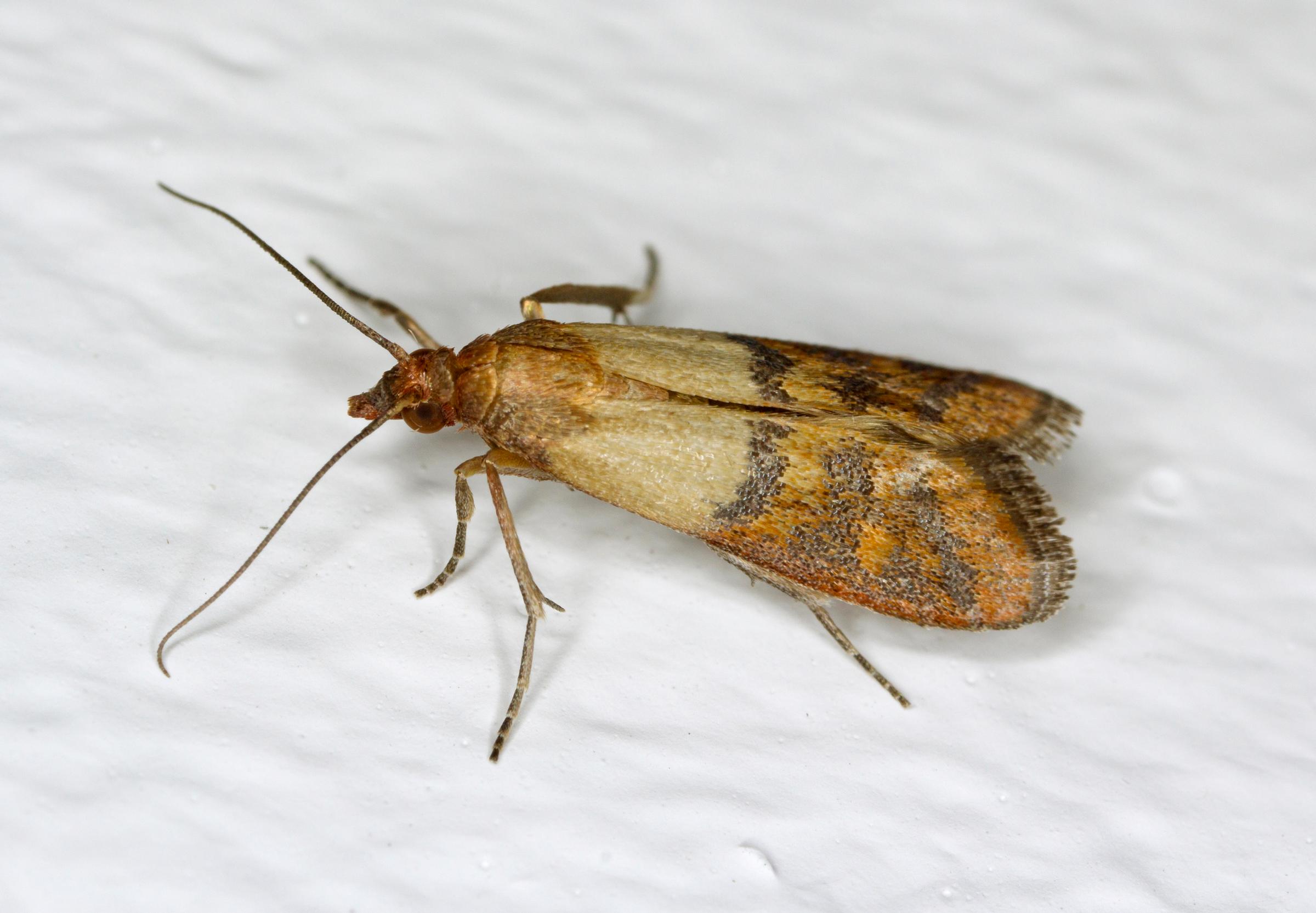
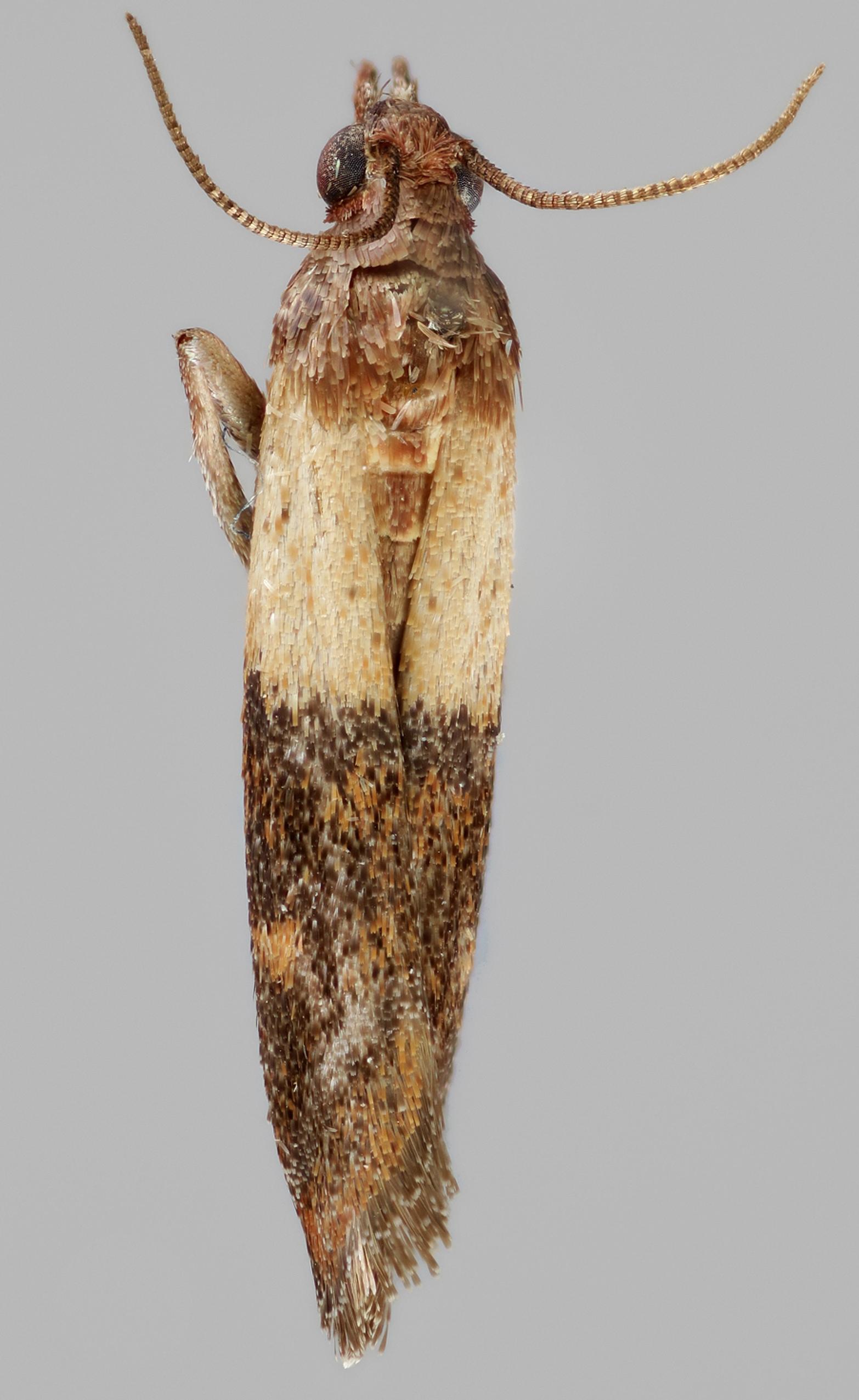
The pantry moth (Plodia interpunctella) is a small moth with a wingspan of about 15–20 mm (0.6–0.8″). You can recognize it by its forewings, which are pale gray at the base and rusty red toward the tips. The pantry moth’s reddish-brown head has long antennae that curve forward.
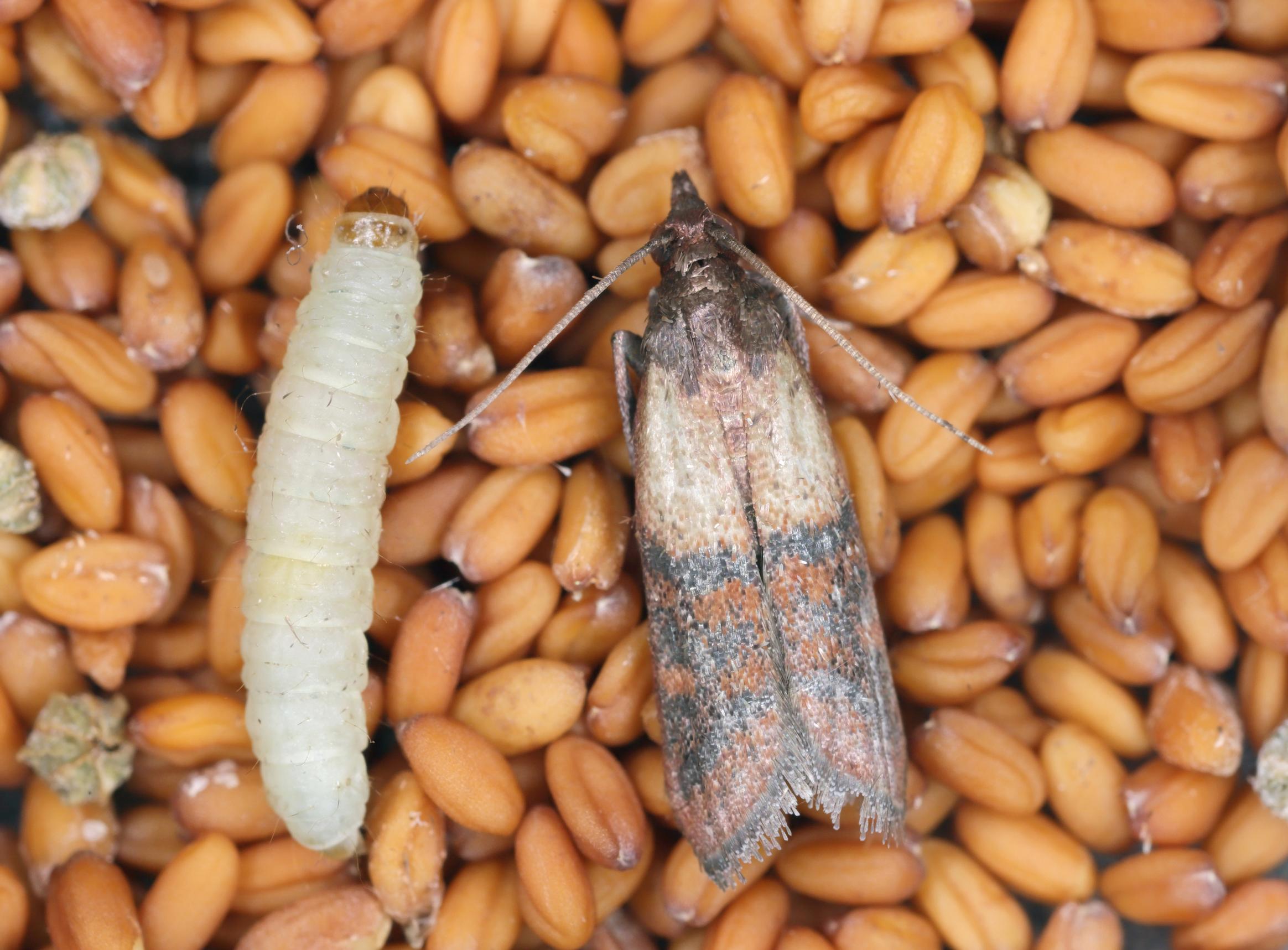
The pantry moth larva is about 1 cm (0.4″) long, slightly translucent and grayish. Its head is brown.

Pantry moth or flour moth?
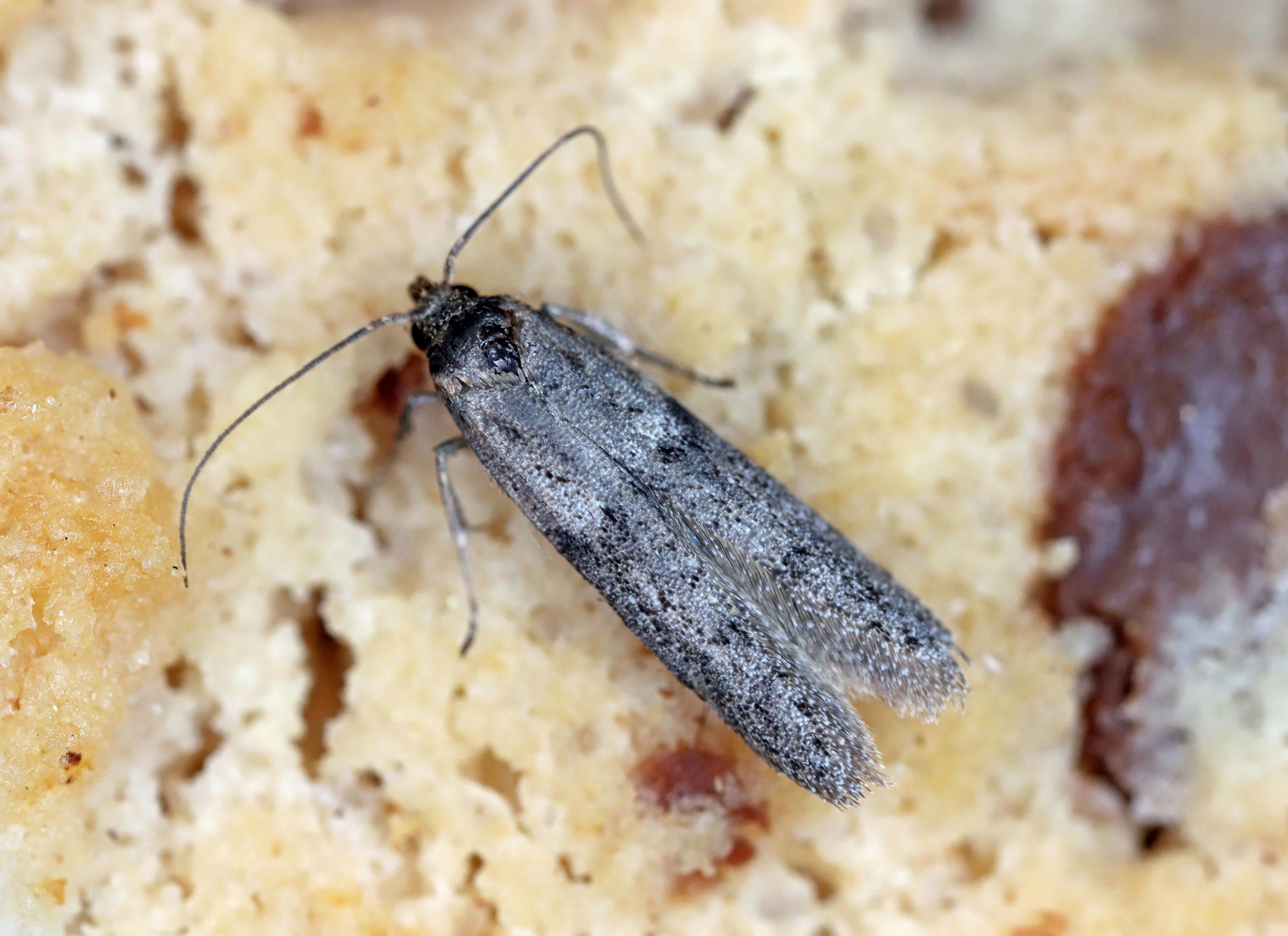
The pantry moth is the more common visitor in homes, but the flour moth shows up too. Both species feed on the same foods, though—as the name suggests—the flour moth especially favors flour. Telling the species apart is fairly easy. The flour moth is more uniformly gray or grayish brown, and its larva grows larger than the pantry moth’s. The same control and elimination methods work for both. Read more about the flour moth!

What pantry moths eat
Adult pantry moths don’t need food. The larvae, however, eat many kinds of dry foods, such as flour, cereal and other grain products, dried fruit, nuts, and dry pet food.
How to control and eliminate pantry moths
Pantry moths usually come into a home unnoticed in a product that was already infested. The larvae can travel far from their food source to pupate, tucking themselves into cracks behind cabinets or picture frames, for example. That’s why controlling pantry moths is difficult, and you may still see adults long after you’ve discarded contaminated foods and cleaned storage areas. If you spot one moth, chances are there are more.
If you’ve seen pantry moths, pupal cases, or other signs of pests at home, it’s time to act:
1. Check your dry foods
Go through all dry foods, such as flour, muesli, pasta, rice, nuts, dried fruit, spices, and dry pet foods. Check unopened packages as well.
2. Discard contaminated foods
If you see larvae, web-like silk, shed larval skins, or adult moths, seal the packages in a trash bag and take it out right away. That way the pests won’t spread to the rest of your home.
3. Deep-clean your cabinets
Vacuum cupboards and closets thoroughly, including shelves and corners. Vacuum baseboards, edges, and small crevices where larvae could hide. Also check the areas next to cabinets, such as toe kicks and the backs of appliances. Replace the vacuum bag immediately after vacuuming. Finally, wipe surfaces with a damp cloth and a mild cleaner or a 1:1 vinegar-and-water solution.
4. Set pantry moth traps
Use pheromone traps for adult moths. Pantry moths fly to the traps and stick to the adhesive surface. This won’t kill the larvae, but it helps break the breeding cycle.
5. Repeat the cleaning
Clean the cabinets and countertops again about a week later. This targets any larvae that may have been hiding before they develop into adults.
6. Store dry foods in airtight containers
Keep flour and other foods that attract pantry moths in airtight containers. Glass or metal jars are best, since moths can’t chew their way in.
7. Avoid long-term storage
Don’t keep opened packages for long in warm or humid spots, as pantry moths thrive in those conditions.
8. Monitor the situation for at least a month
Clean cupboards and cabinets regularly. Check any pheromone traps. If moths start showing up in the traps again, repeat the control steps.

Expert: Environmental Inspector Hanna Vatanen, City of Helsinki Environmental Services
Sources also used: hel.fi/fi/asuminen/asuminen-ja-terveys/kodin-tuholaiset, hyonteismaailma.fi, vuokranantajat.fi

