Paint a story, build in play, use every corner: clever ideas for the kids’ room
With a few small tweaks, a child’s room becomes a space that invites movement, play, and daydreams. We’ve gathered ideas that transform a wall, a cabinet, and even awkward nooks into a child’s own adventure land.
1. Crack open the paint
If you can’t find wallpaper imaginative enough, why not paint a wall-sized storybook scene in the kids’ room yourself? [in Finnish]

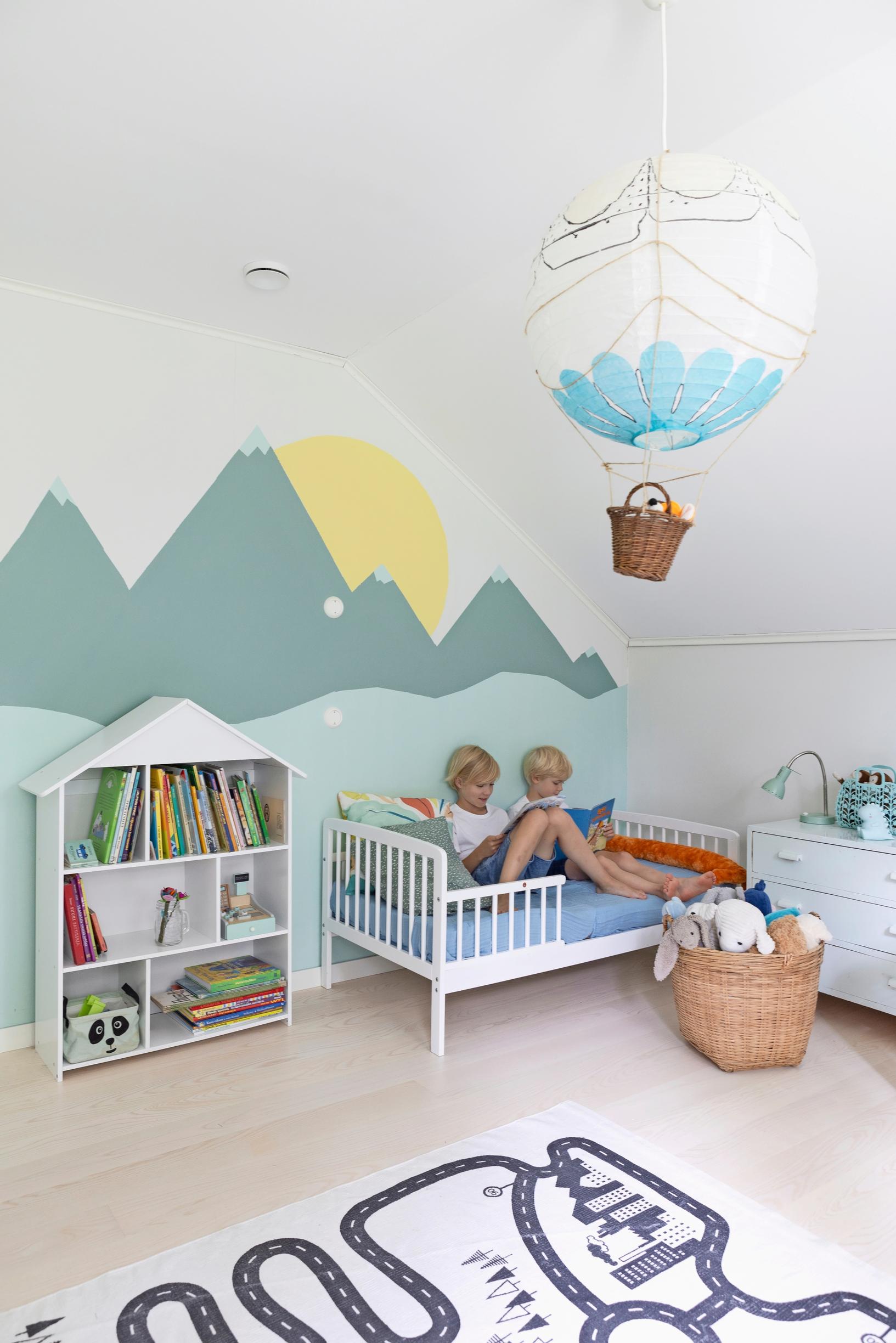
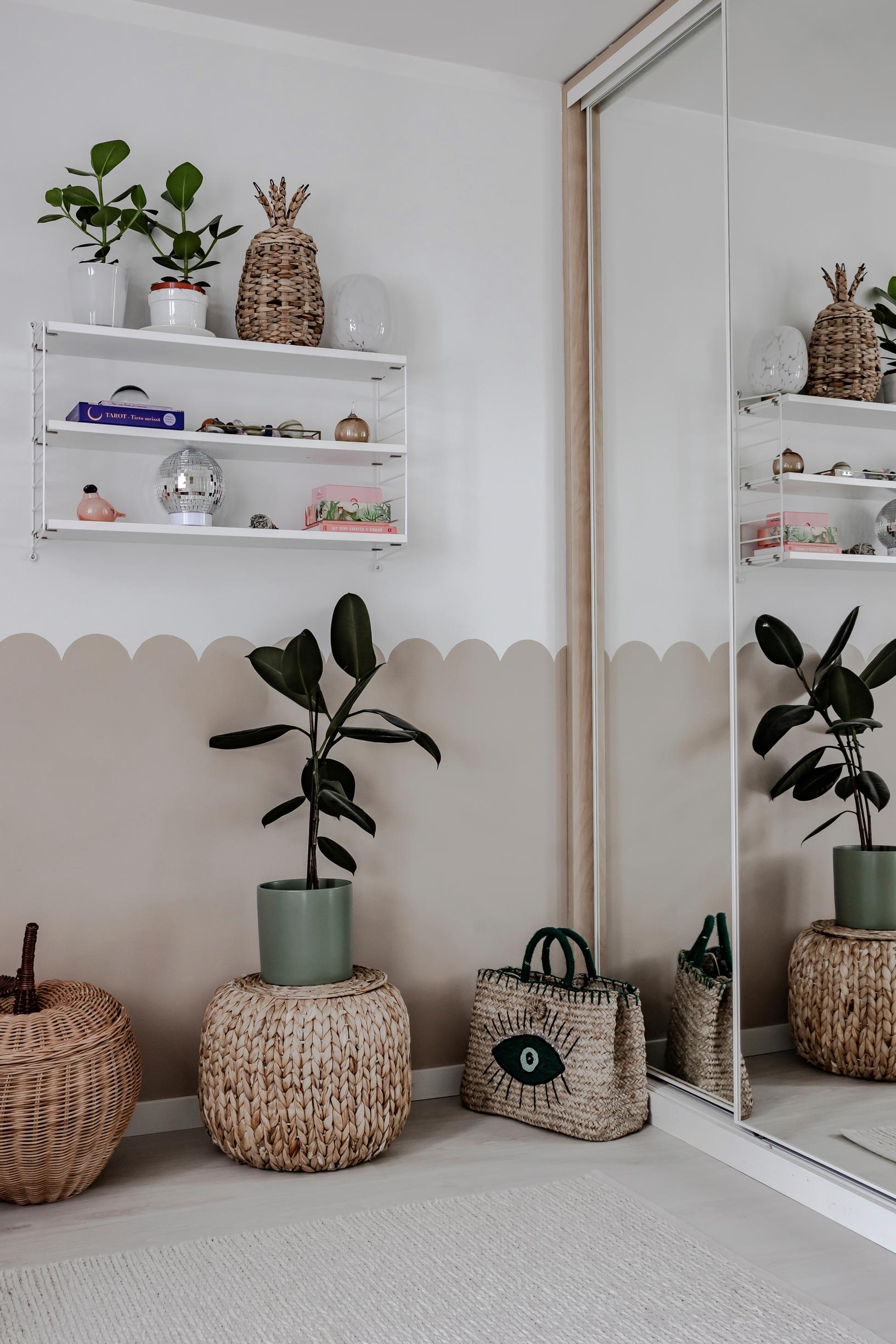
A paint project doesn’t have to mean an accent wall! A playful scalloped edge is easy to add with tape or a simple stencil.

2. Make play part of the decor

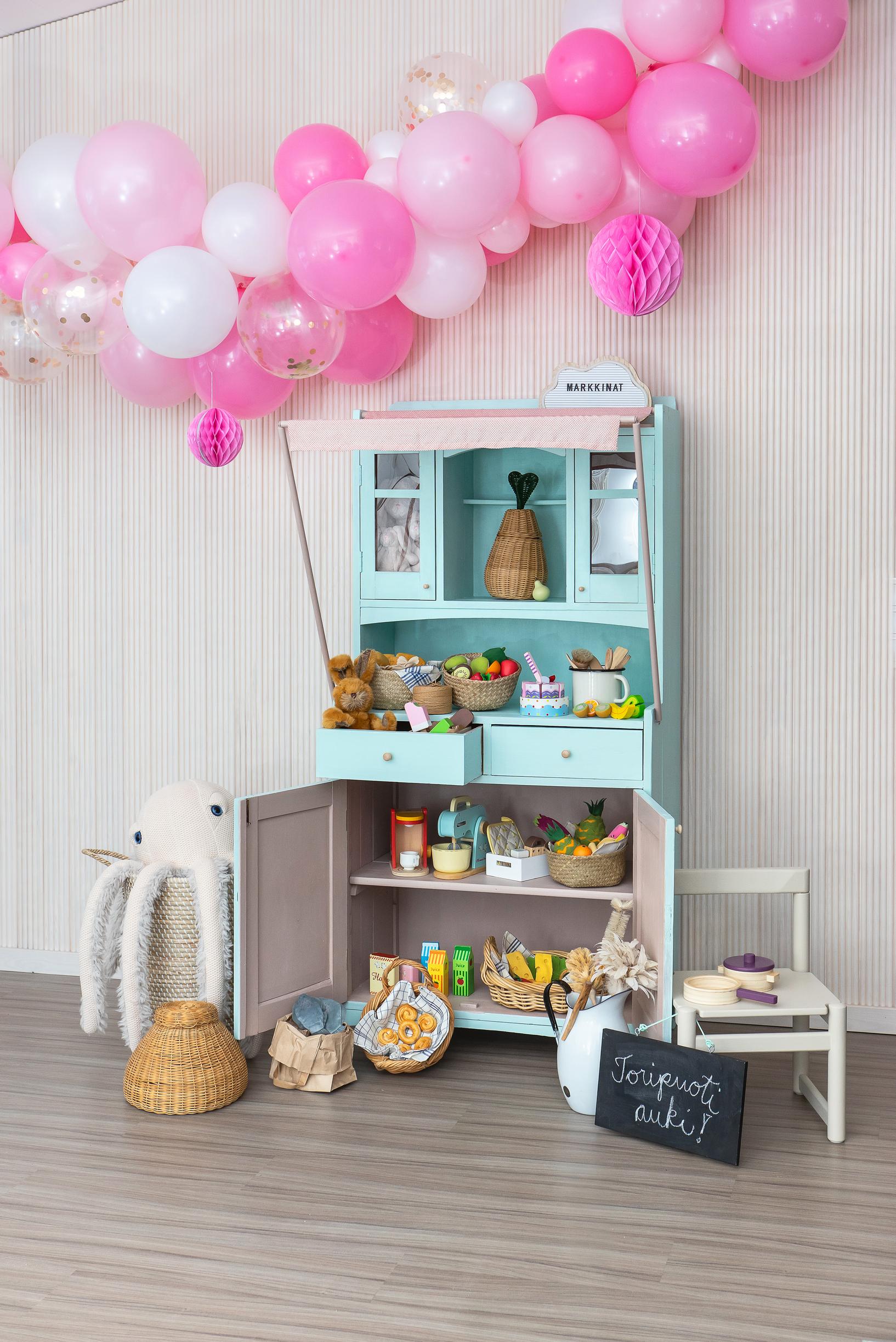
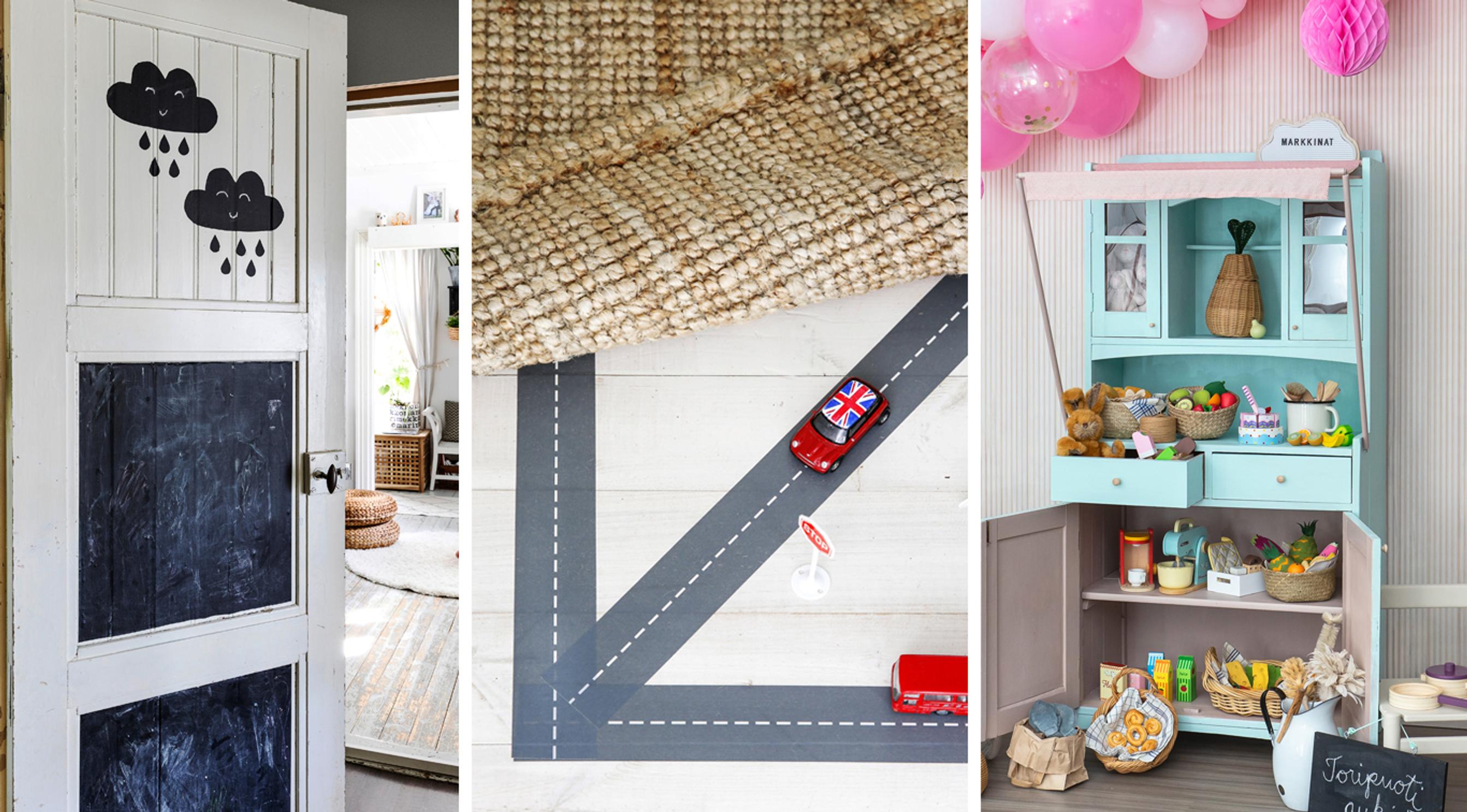
A bedroom cabinet turned into a pastel-hued store when it got a little awning and two paint colors. As well as being a play spot, the cabinet neatly stores all the pretend-store props.
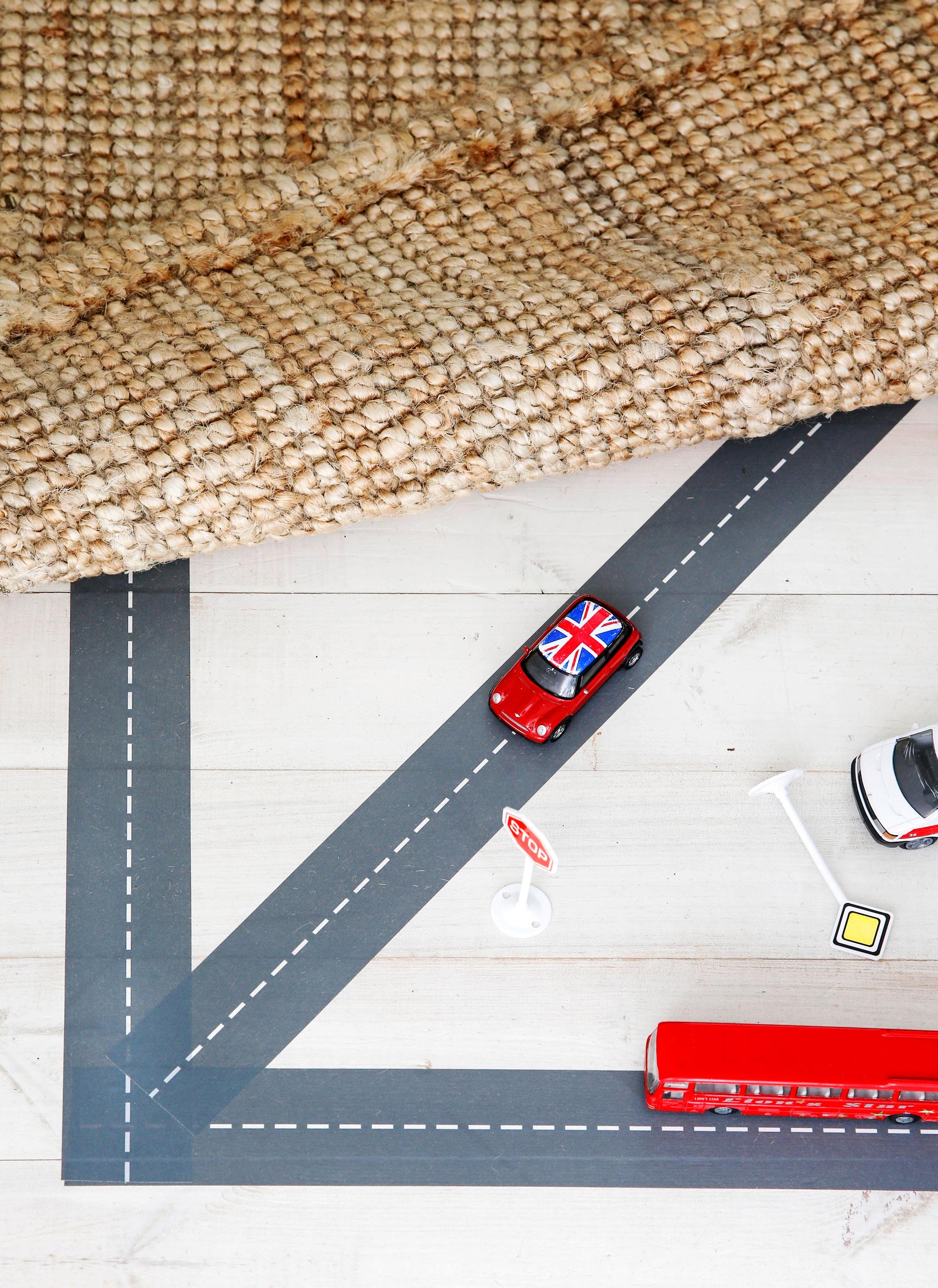
What fun could you hide under a rug? In this room, there’s a racetrack. It’s made with easily removable washi tape printed with a roadway pattern.

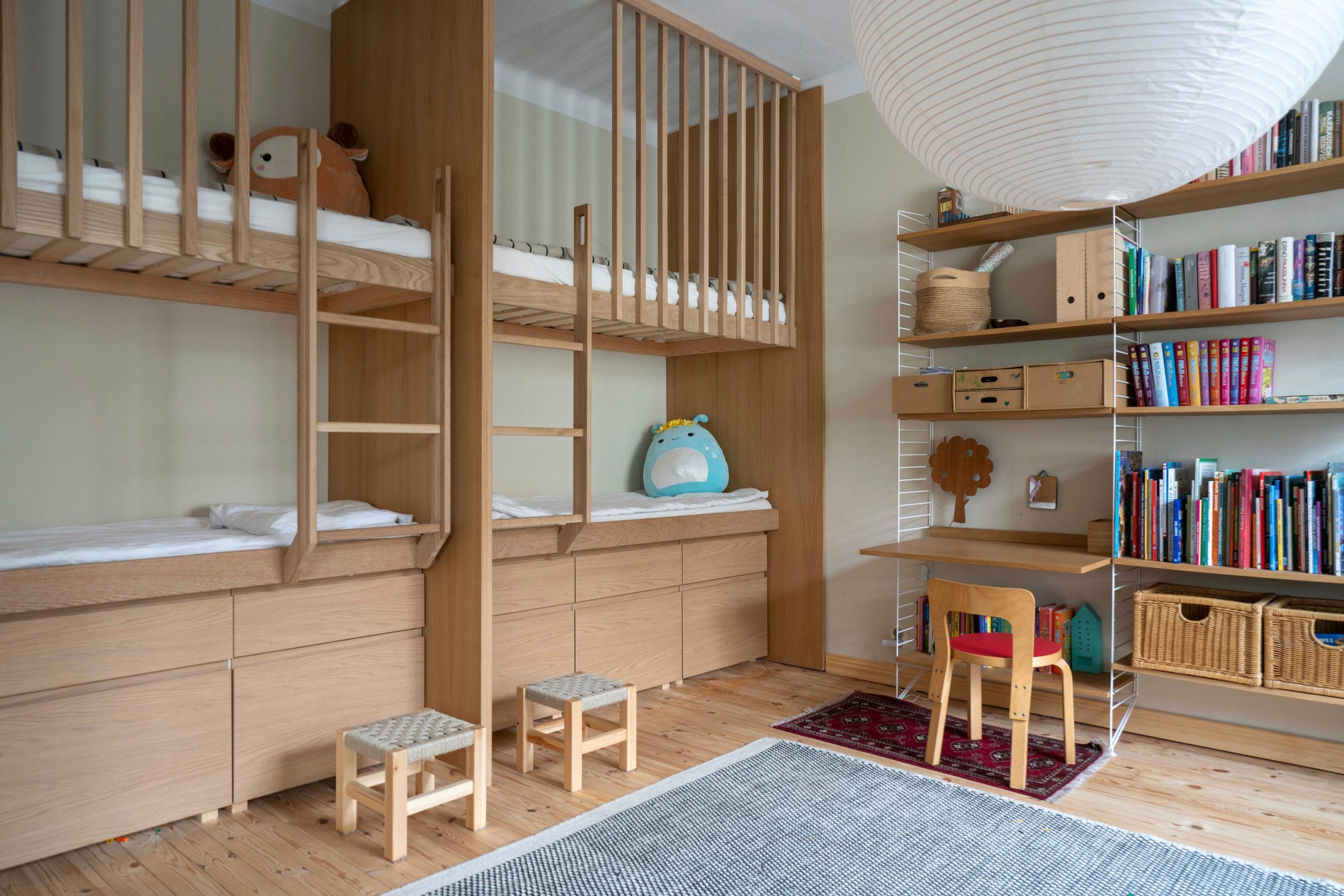
3. Make the most of every awkward nook!
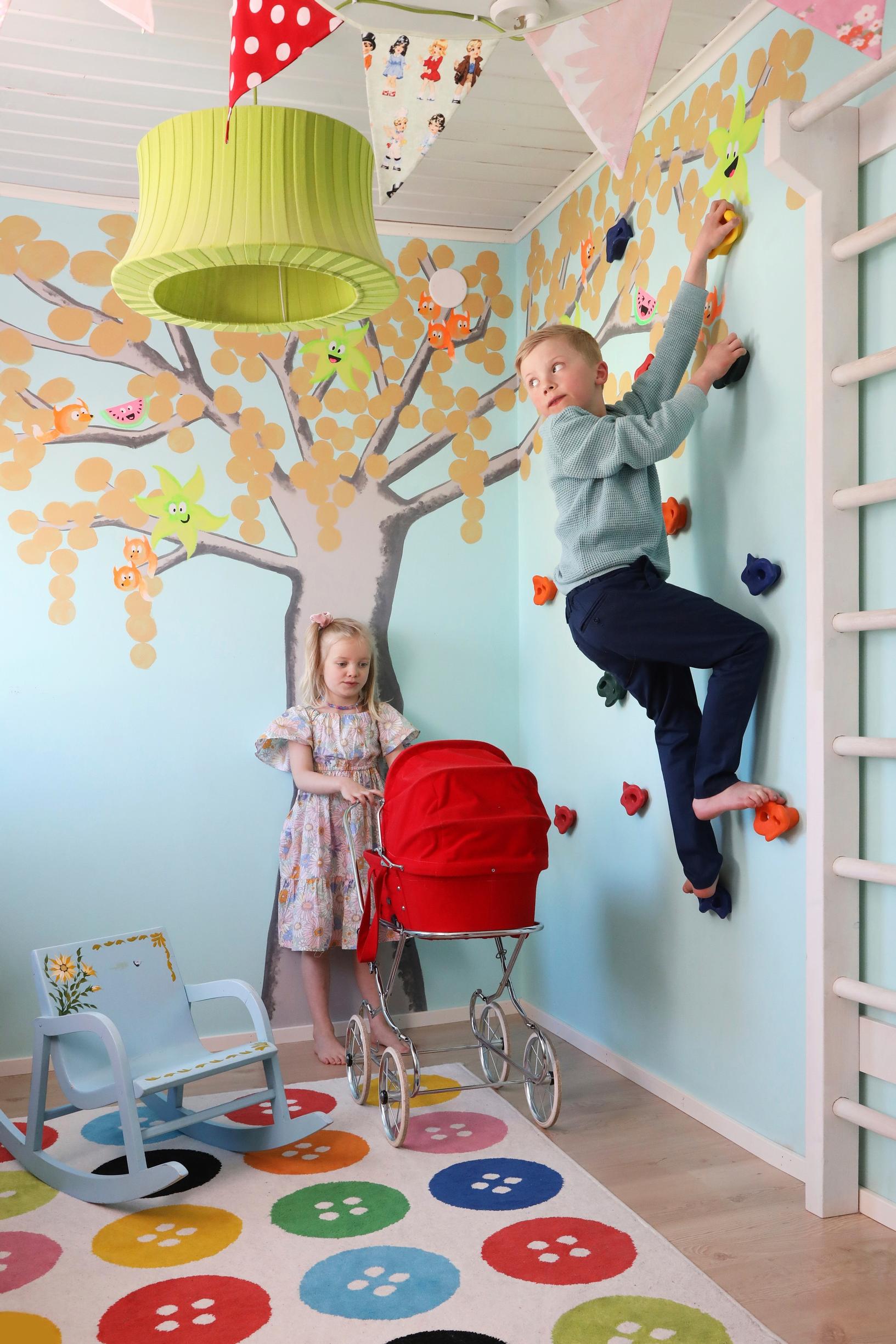
Climbing holds, wall bars, and ropes invite movement. It’s easy to turn wall space into a play zone by installing a few holds. A painted backdrop turns climbing into play.

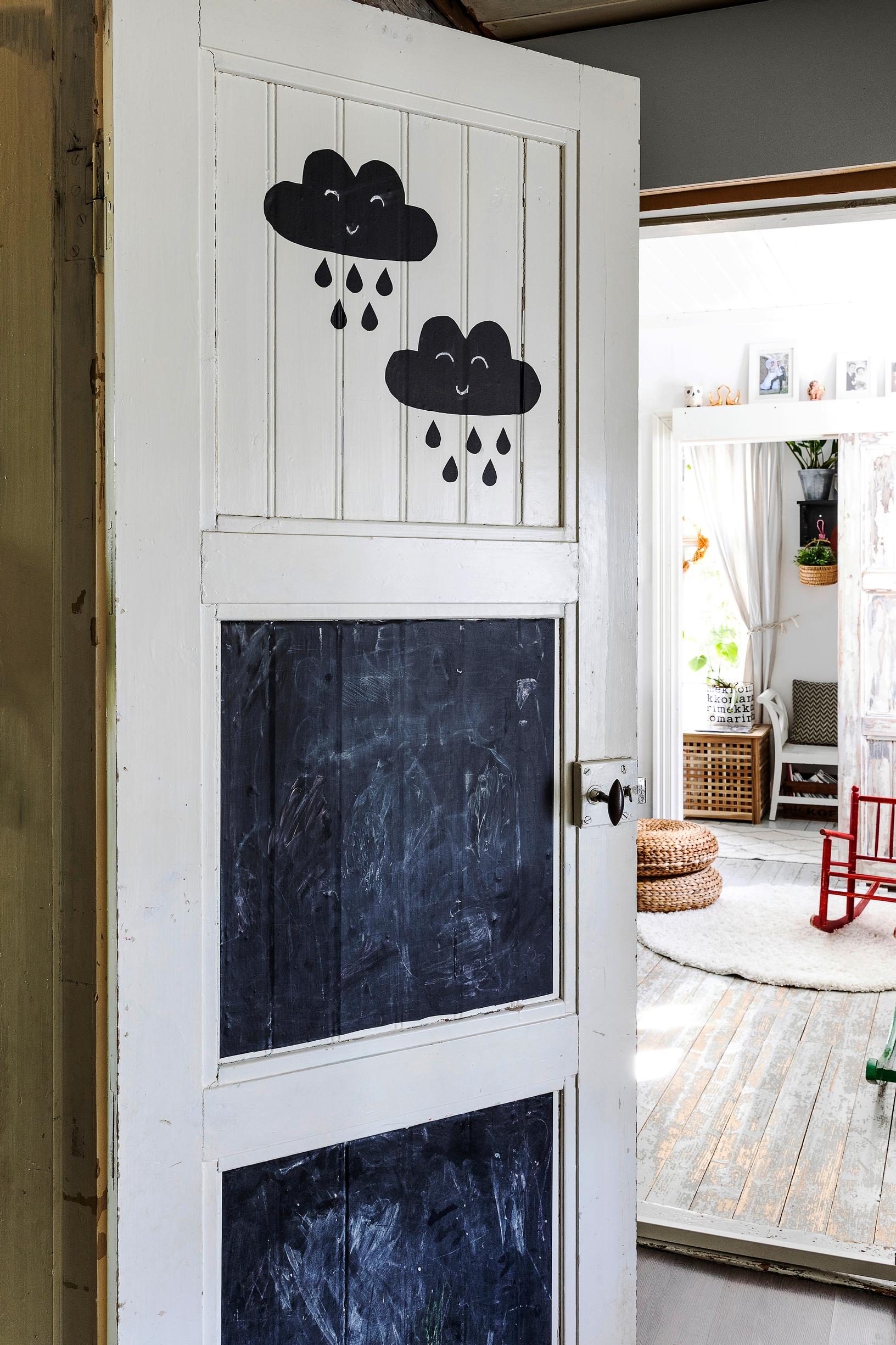
Give the door a makeover with chalkboard paint. It’s a spot for family notes—or a springboard for play: will the kids’ room be a weather station, a police station, or a travel agency today?

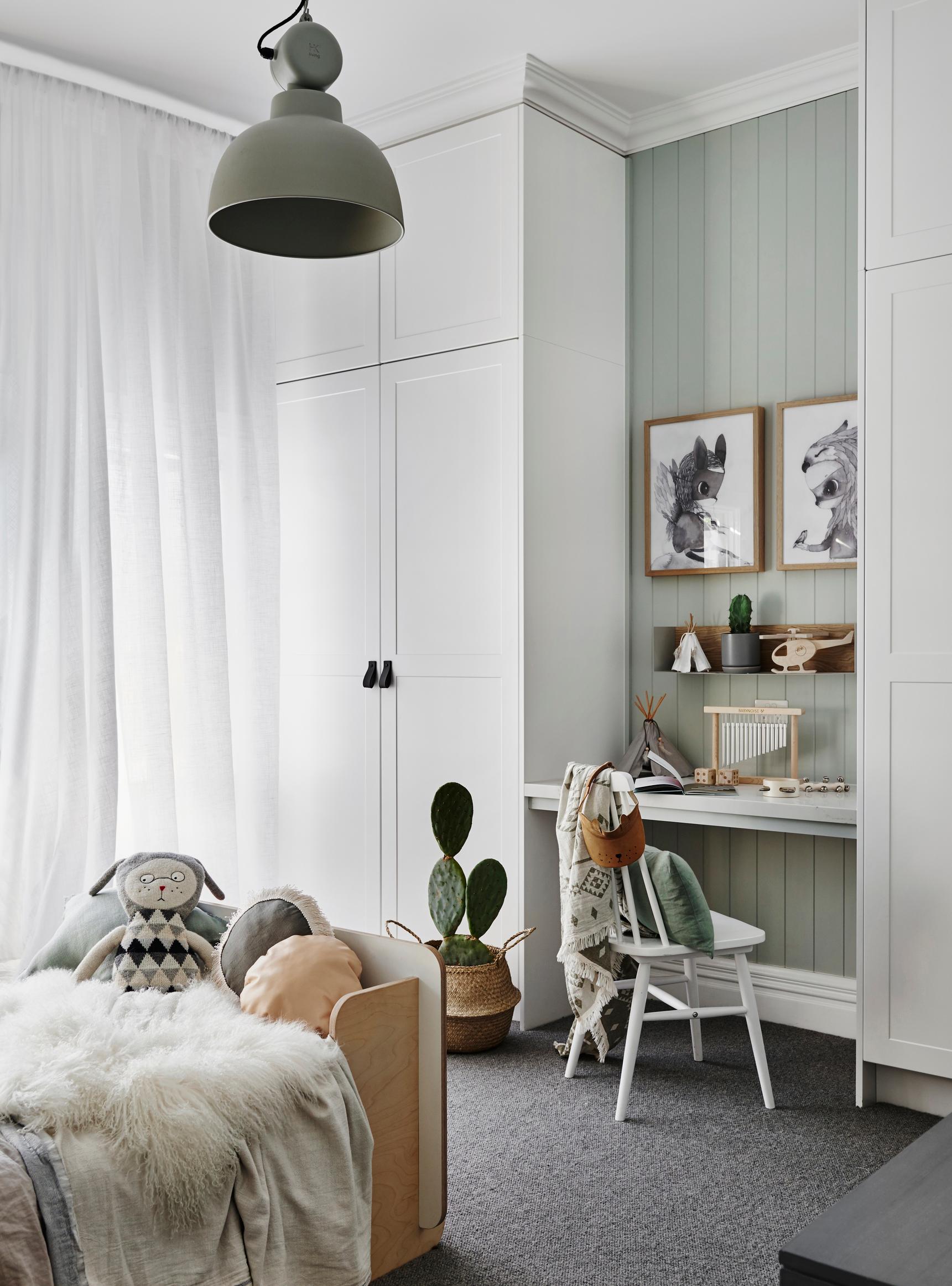
In this room, storage is handled cleverly: kitchen cabinets are often taller than standard wardrobes, so there’s extra space up near the ceiling for things you don’t use as often.