

Wire-netting bush is winning over decorators and plant lovers—here’s how to care for it
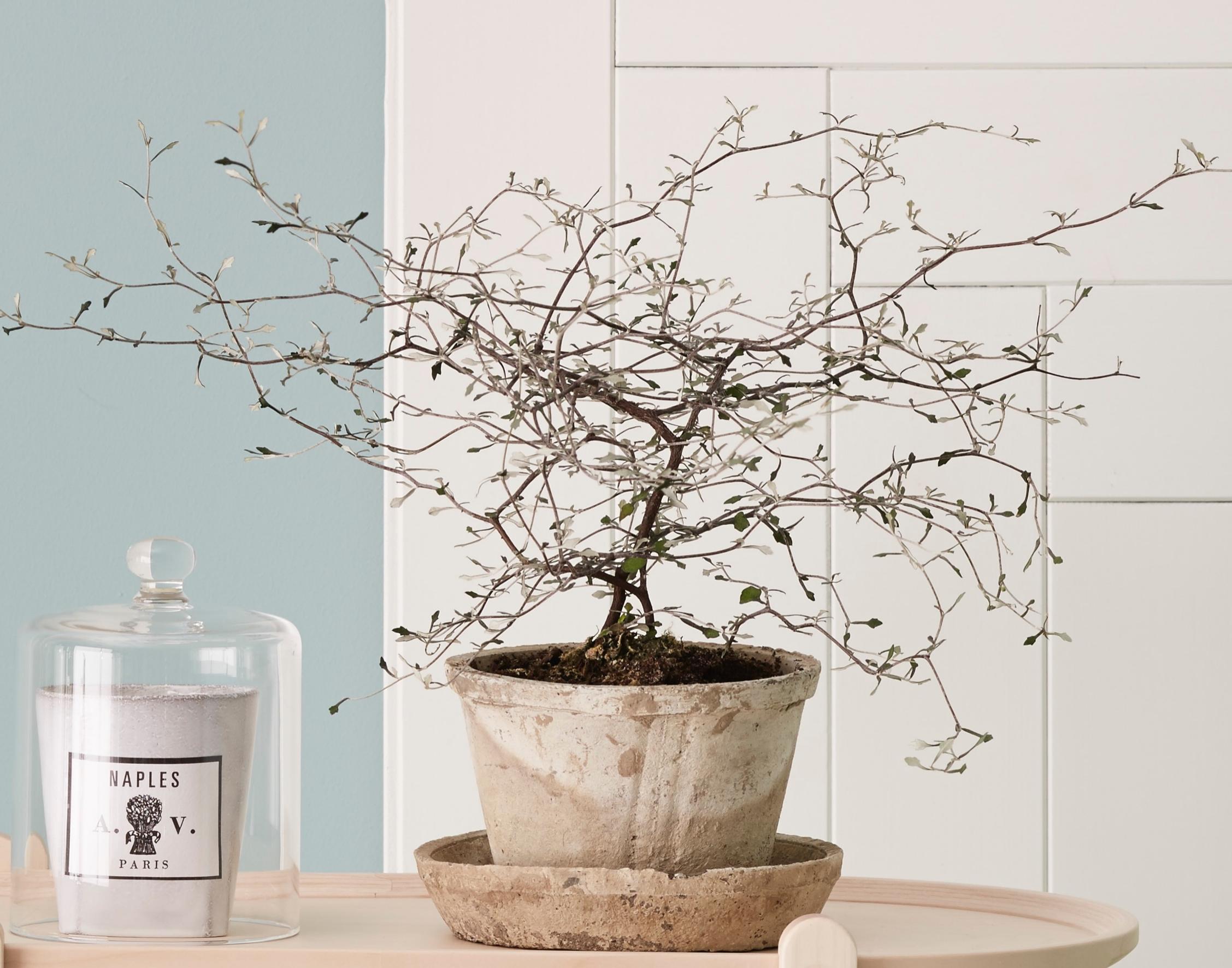
As a houseplant, the wire-netting bush may look modest, but something about its sculptural silhouette especially appeals to decorators. With the right care, you can even help it bloom—check out the tips here!
The species corokia cotoneaster of the genus Corokia is commonly known as the wire-netting bush. In Finland, it is informally called the ghost tree.
In their native habitat in New Zealand, Corokia species grow into large trees. Their leaves are small, and their growth is sparse.
Wire-netting bush care
Potting mix for the wire-netting bush
Most wire-netting bushes for sale come planted in peat or coir. Repot into fresh soil as soon as you bring it home. A regular, preferably sandy, potting mix suits the wire-netting bush.
Growing spot for the wire-netting bush
Place the wire-netting bush in a bright or partly sunny spot, and protect it from the most intense sun. In summer, you can move it outdoors, where it thrives.
In late autumn and winter, every bit of light helps, so keep the wire-netting bush in the brightest place possible.
Temperature
Normal room temperature suits the wire-netting bush from spring to autumn. For winter, it’s best to move it to a cooler spot. The plant tolerates low temperatures as long as they stay above freezing.
If the wire-netting bush overwinters in suitably cool conditions, it may even bloom in spring and summer with small, fragrant yellow flowers.
Watering the wire-netting bush
Let the top layer of soil dry out between waterings. In winter, the cooler the plant is kept, the more you should let it dry. The species tolerates drought better than constant wetness, but too much dryness can dry out its decorative branches.
Pruning the wire-netting bush
The wire-netting bush doesn’t grow very fast. If you’d rather not shape your plant, there’s little need to prune. Otherwise, it tolerates pruning very well, and you can shorten branches to your taste.
You can also take cuttings 5–15 centimeters long (2–6″). Remove some of the lowest leaves and set the cuttings to root in a glass or vase. Change the water every week or two. Plant the cuttings in March as winter wanes and the light increases.
Read more:
Hot right now: African milk tree and 5 other trending houseplants [in Finnish]

