How to snow-wash: the winter trick that refreshes rugs, clothes and plush toys
Take a cue from the Finns and turn snow and freezing temperatures into a handy cleaning aid. Niina Silander, lead specialist at the home economics organization Marthas, explains how to do it properly.
1. Snow-washing rugs
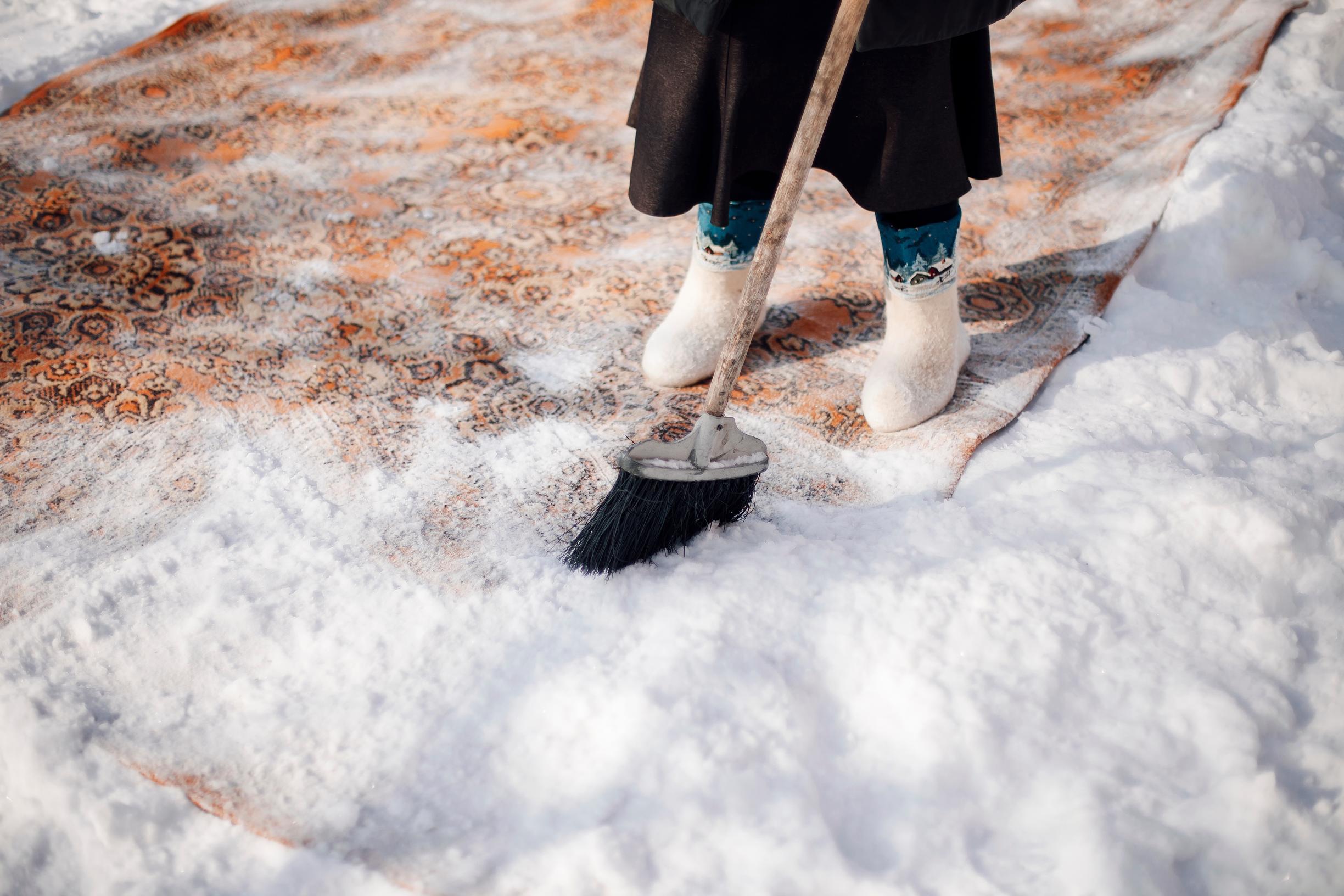
Snow-washing freshens rugs and even gives them a light clean because snow grabs dust and fine dirt. Stains still need to be treated separately.
A good snow-washing weather is –10°C (14°F). The snow should be powdery, freshly fallen and dry. “Snowball snow” will soak your rugs.
If you wouldn’t wash a rug with water, don’t snow-wash it either.
Vacuum or beat out dust and loose dirt first. Take the rug outside to cool, but don’t let it touch the snow yet—warm fabric can melt the snow and get wet. Lay the cooled rug on the snow and shovel snow over it. Brush the rug and, if you like, leave it in the drift for 30–60 minutes. Then beat off the snow and bring the rug inside to dry. Make sure the rug is completely dry before putting it back on the floor.
Rag rugs tolerate snow-washing best. If you toss a pile rug into the snow, use a soft brush. If you wouldn’t wash a rug with water, don’t snow-wash it either.

2. Wool sweaters and stuffed animals: into the snow
Snow-washing also freshens textiles you shouldn’t machine-wash often, like wool sweaters and jeans. Be gentle with woolens. You can brush them in the snow with a soft clothes brush, or simply let them rest on the snow and heap snow over them. Give stuffed animals a snow bath and a gentle brushing with the kids.
Jeans that rub against your skin are worth washing in the machine from time to time, because frost doesn’t kill bacteria. Delicate textiles—like a silk blouse or garments labeled ‘no water wash’—are better just aired out.

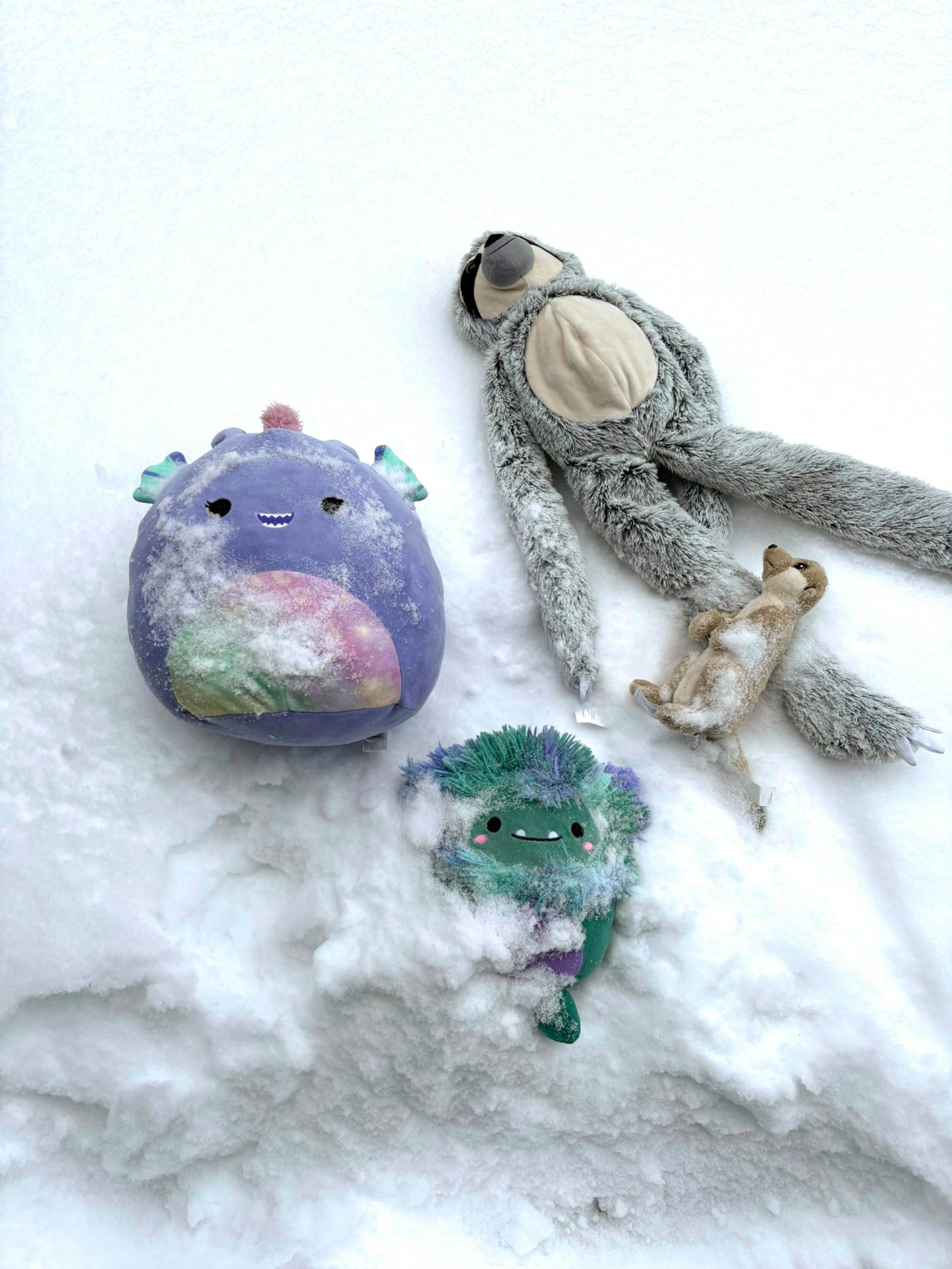
The snow should be powdery, freshly fallen and dry.
3. Freshen throws and sofa cushions
A good hard frost is the very best time to air textiles—that’s when they pick up an extra-fresh scent. Take out the things that rarely make it into your everyday wash: bed linens, wool coats and sweaters, throws and blankets, sofa cushions. Toss the mattress topper out into the cold and vacuum the bed in the meantime.
For dust mites to die, bedding would need to spend at least six hours at –18°F or 24 hours at 0°F. In Finnish homes they’re rare thanks to dry indoor air and frequent laundry.
4. Dry laundry in the cold
Sheets dry well outside in freezing weather because the air is so dry. Let laundry warm up before folding so you can tell if it’s truly dry. Thicker garments, like sweatshirts, may not dry as well in deep cold.
5. Winter whitens, too
In summer, many people let the sun brighten whites or fade tomato stains on clothes. The sun does the same in winter, even with less daylight—and on a bright, frosty day, the snow reflects extra light.