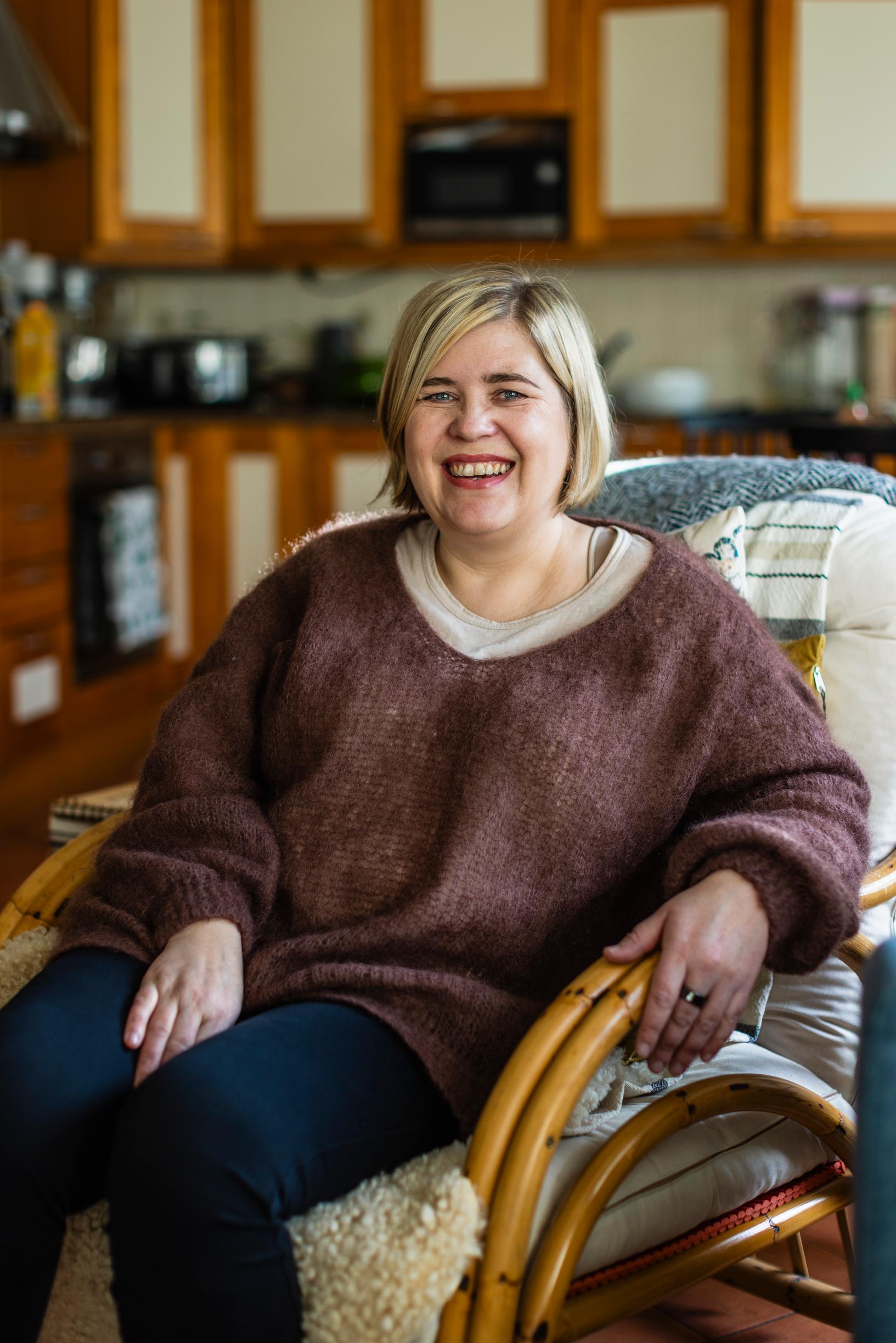
Finnish Sirpa missed the community she had in the US—so she started a Buy Nothing group
When she moved from the United States to Finland, Sirpa Kaajakari wanted to bring a piece of that sense of community with her. Through a Buy Nothing group, neighbors became a network that rushes to help when crisis strikes.
In the courtyard of a semi-detached housing complex, a man with a bicycle glances uncertainly toward the homes. Soon, Sirpa Kaajakari appears from behind one of the gates, smiling and waving.
The man is a stranger to Sirpa—so far—but hands her a coffee grinder. He used it a couple of times and got tired of it. Time to pass it along.
It’s Wednesday, one o’clock, and Sirpa’s workday as a translator is underway at her home in Vantaa, Southern Finland. Brief drop-ins throughout the day have become part of her everyday routine.
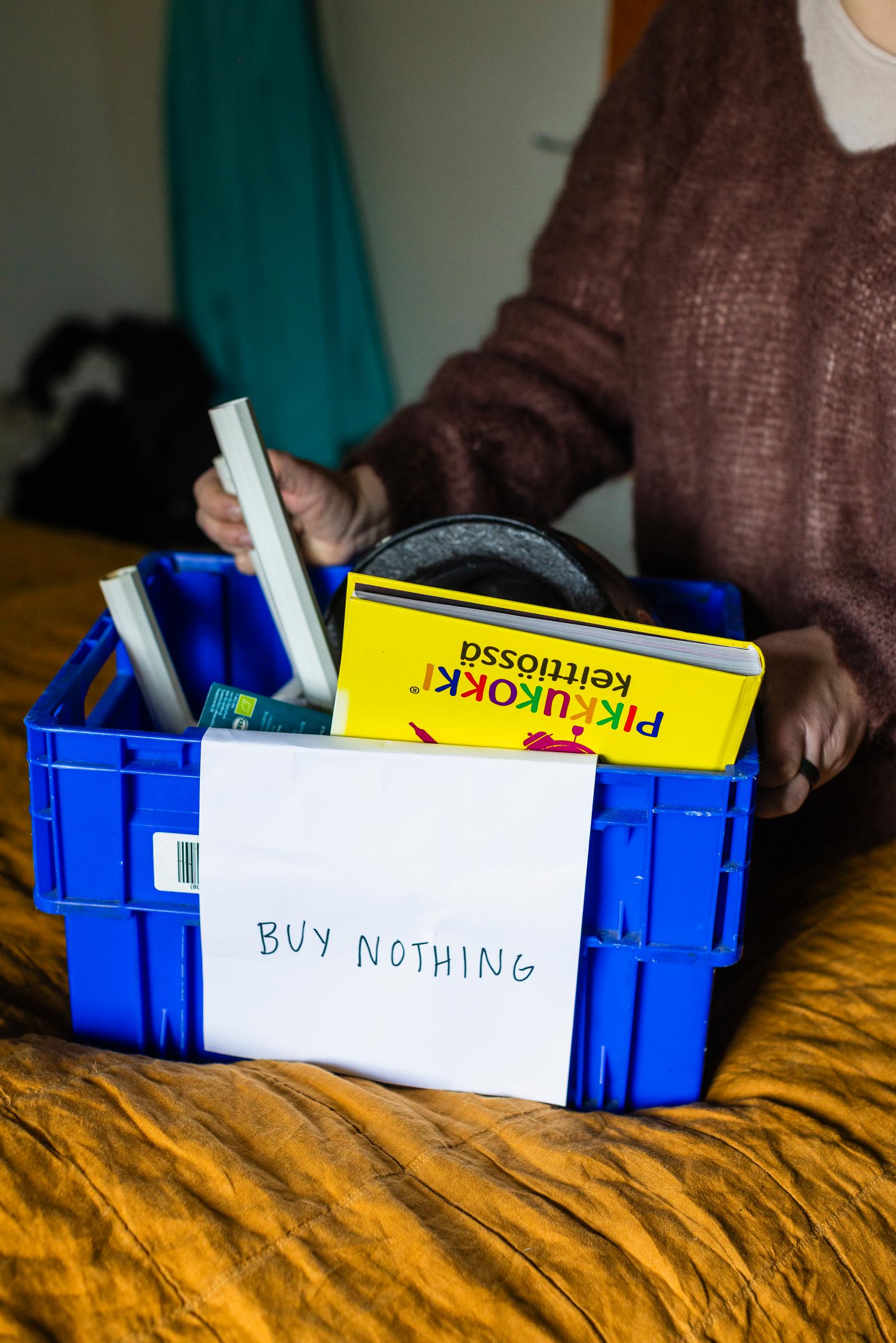
Behind it all is a Buy Nothing group, which Sirpa started in her new neighborhood after moving there from Helsinki last summer. The group is part of the international Buy Nothing Project, built on local gift economies. Groups only accept members from a precisely defined area. People can ask for what they need, give what they want, and offer thanks for what they receive. And along the way, they get to know their neighbors.
“Thanks to the group, I already feel like I belong here in some way,” Sirpa says.

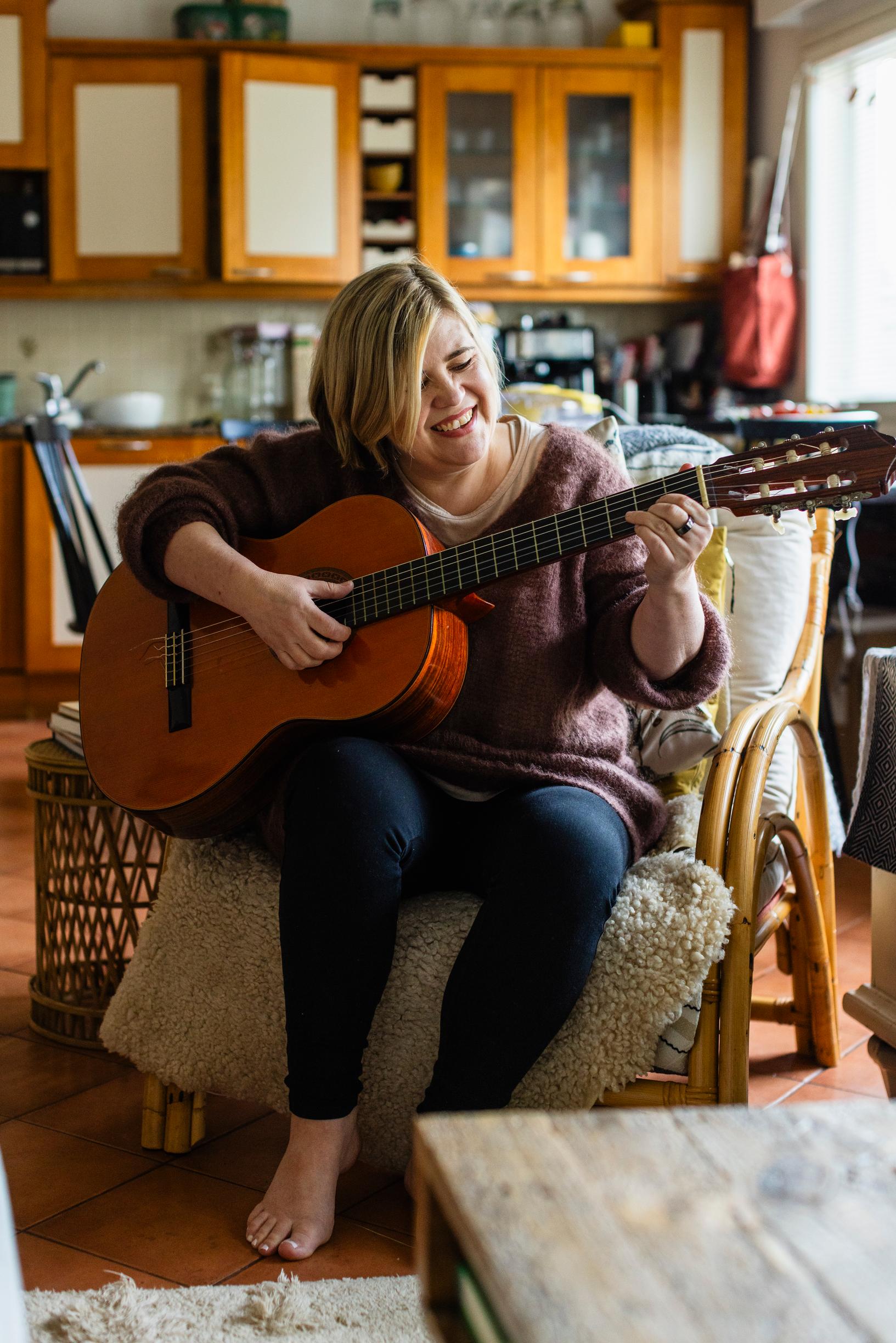
”In California I learned that a home doesn’t have to look like a décor magazine. The fact that my things have stories makes me happier.”
A culture of helping caught on
As a kid growing up in Kirkkonummi, Finland, Sirpa liked to chat and greeted everyone. Sometimes that drew baffled reactions. People would either look at her oddly or look away. She felt like she was too open.
When she moved to the United States for her then-spouse’s job about twenty years ago, a surprising sense of home hit her: in their first stop, Louisiana, people chatted with everyone and offered help readily. The place was full of kindred spirits!
“Maybe it’s because, throughout history, the most outgoing, adventurous people have moved to the U.S. They’ve needed one another while building a new life,” Sirpa muses.
Americans are also used to patching gaps themselves—whether in social safety nets, public transit, or access to affordable daycare. Sirpa feels it shows up in everything.
“If my neighbor was heading to the store, they’d automatically ask if I needed anything. And of course I did the same for them.”
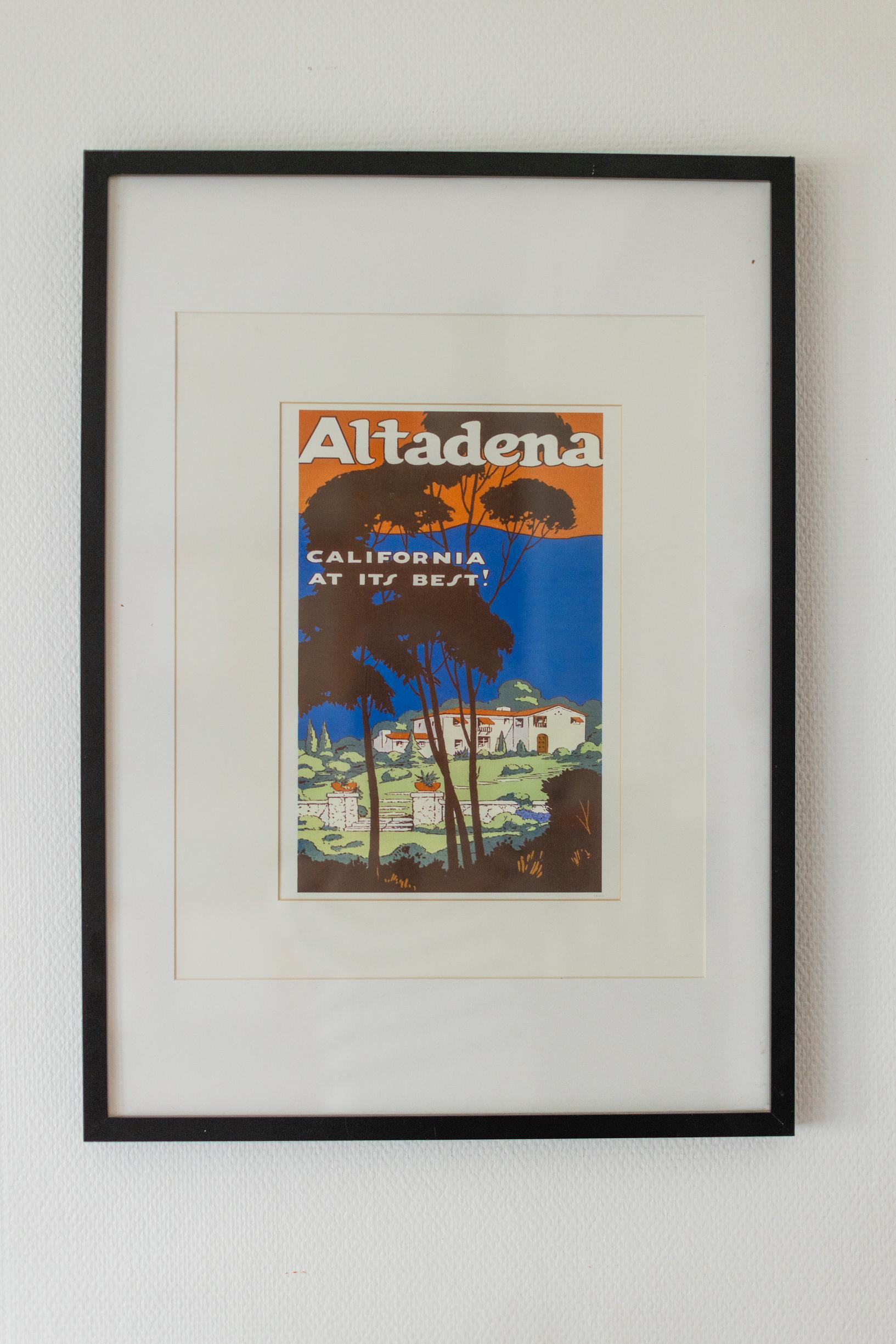
While living in Altadena, Los Angeles, Sirpa first came across the Buy Nothing movement. There was a local Facebook group where all kinds of things, big and small, changed hands: people asked for and offered everything from TVs to help with renovations. Someone requested a kitchen scale to track a hamster’s weight; another asked for a walking buddy. Unlike other reuse groups, thanks and words of encouragement flowed just as freely.
At the time, Sirpa was a stay-at-home mom to two small children. The group showed that even though her relatives were on the other side of the world, she had neighbors who wanted to help. After ankle surgery, when she needed rides to physical therapy and her spouse couldn’t take her, she posted a request in the group. Several people offered within hours.
“It gave me the feeling that I wasn’t alone. I’m still in touch with one of the drivers.”
Sirpa and her family spent 13 years in America. Because of her aging parents, it felt like time to return to Finland. Even before leaving the U.S., she started wondering whether a piece of that generosity could be brought back to Finland. It wasn’t foreign here—just faded.

”It felt important to find a way to connect to a community.”
The best thing about things is their story
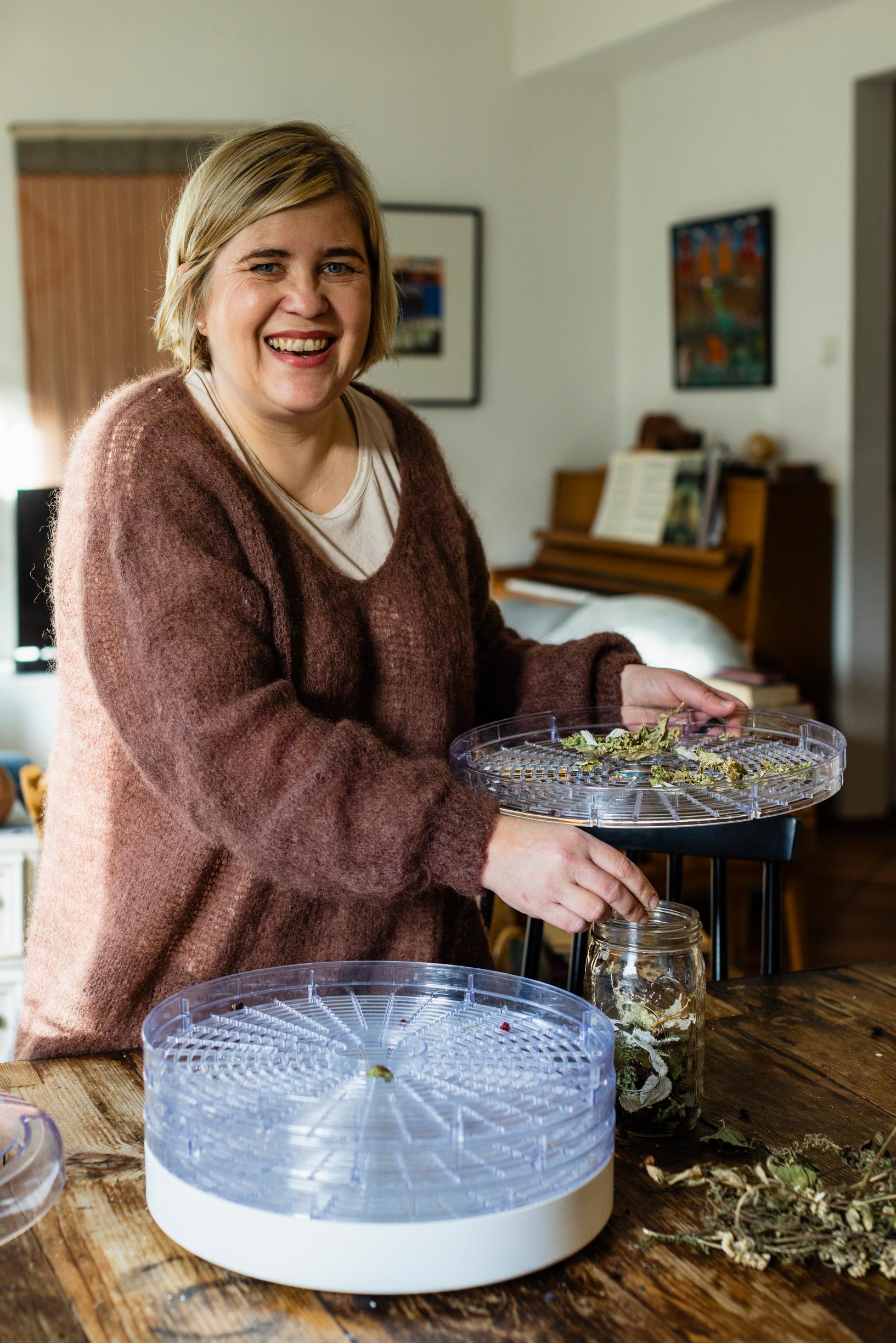
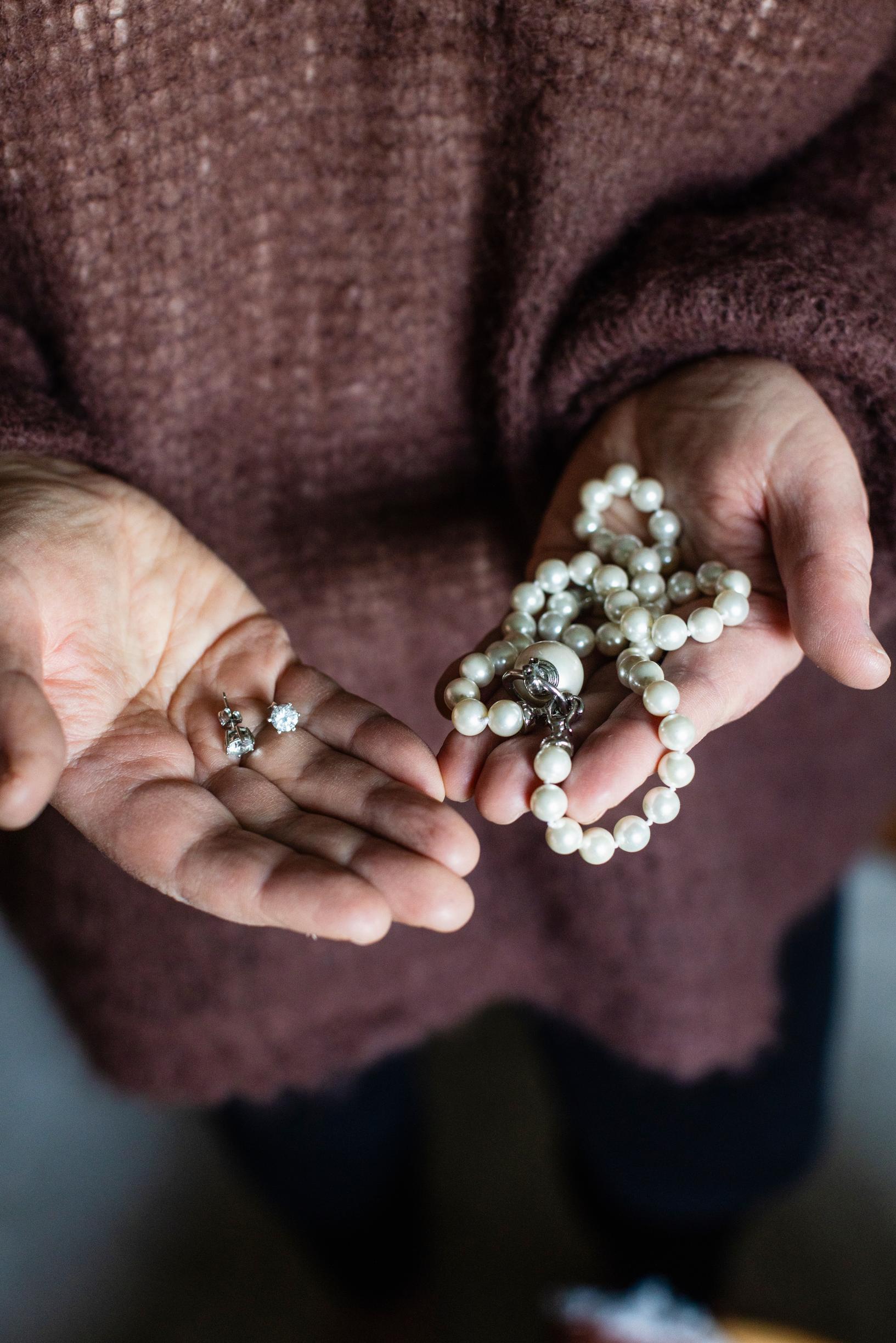
In the living room, almost everything was a gift: the sofa, the piano, the plants, the sideboard, the wicker chair. The guitar, the dehydrator, and earrings came from the neighborhood, too—among other things.
Instead of prices and labels, Sirpa now thinks about the people behind the things. The plush wicker chair is from Ulla, the sleek sofa is from Katie, the 1950s sideboard is from Satu. She wonders how they’re doing.
Sirpa loves that casual acquaintances and friends stay present in her everyday life this way.
“It’s like an invisible net that holds me up.”
Sirpa has never found it easy to live or decorate by strict rules, though when she was younger she thought she should. America taught her otherwise.
“In California I learned that a home doesn’t have to look like a décor magazine. The fact that my things have stories makes me happier,” Sirpa says now.
She moved back to Finland with her family in 2019. Almost right away, she started a Buy Nothing group in her new neighborhood in Helsinki’s Haaga.
The group quickly gathered hundreds of members on Facebook. There was no sniping or judging—people exchanged complete, friendly sentences with their neighbors. Many thanked openly and rejoiced in what they received.
“After 13 years in America, I was an immigrant. My networks in Finland had frayed. It felt important to find a way to connect to a community.”

The community helped after the divorce
For a family newly arrived in the cold north, the Buy Nothing group proved surprisingly important. The boys, who had grown up in shorts and T-shirts, got proper winter gear there, among other things. It mattered financially, too: when the pandemic began, Sirpa’s work translating for film productions suddenly dried up.
“I’ve never calculated how much money I’ve saved thanks to the group. That hasn’t been the main thing for me,” Sirpa says.
More important than money was the network that formed surprisingly quickly through pick-ups and chats. A year after returning to Finland, Sirpa divorced her spouse. Her energy was low, and the new home was short on essentials.
New moderators stepped up in the group as soon as Sirpa mentioned how tough her situation was.
“My goal was that, thanks to the group, there would be one place in the world with a friendly atmosphere. A place where you can say, under your own name, that you need help.”

”Asking doesn’t force anyone to give me anything.”
Her buying habits changed
For Sirpa, the most important thing about the community is the shift in mindset: generosity and trust in others. It has affected her buying habits, too.
In the summer, Sirpa realized she wanted a coffee grinder and posted a request in the group. When no one responded right away, she didn’t rush to buy one; she sat with the idea and wondered whether a grinder was truly necessary. Her cooling-off periods have become long.
At the same time, Sirpa celebrated an ergonomic desk chair she received—something she couldn’t have afforded. One set of neighbors delivered a bed for her youngest by van.
“I had already forgotten the whole thing when a new member offered a grinder yesterday—and even offered to bring it,” Sirpa notes.
She knows that giving, alongside receiving, increases happiness. It’s a way to be meaningful to others.
Research says the same. For example, in The Journal of Positive Psychology, a 2021 study found that people’s well-being increases more when they try to make others happy than when they aim for their own happiness.
Sirpa has noticed, though, that in Finland people find it hard to accept help. When she offered to bring food to a neighbor’s family with a new baby, they resisted at first and only agreed after Sirpa assured them she would just leave the pot at the door.
“Finns easily stress about tidiness if someone comes over. In California, people were more involved in one another’s everyday life. Floors at home could be awash with toys,” she says.
That was eye-opening for her, as was the way Americans could ask boldly. Sirpa has noticed that’s hard for Finns—and for herself—so she consciously practices asking directly.
“Asking doesn’t force anyone to give me anything.”
You can grow goodness anywhere
Meri the dog dashes off to fetch a ball from a room that stands empty. It was meant for Sirpa’s mother, who uses a wheelchair and has memory loss.
Sirpa moved to a new, accessible home because of her, but her mother’s health worsened and she had to move into care. The new neighborhood in Vantaa has begun to charm Sirpa, because it reminds her of her old streets in Altadena.
“In a semi-detached house you can chat with the neighbor over the fence. It feels homey after apartment living.”
The local Buy Nothing group has grown steadily. It has already yielded all kinds of help—most recently, a sitter for Meri.
In the fall, Sirpa asked the group for Halloween decorations and invited the neighbors to her party. Strangers, some might say—but Sirpa thinks about how good has a chance to multiply. In her view, it benefits everyone when people meet face to face, whatever their opinions or backgrounds. Anything can come of that.
“In Altadena, an acquaintance of mine found a spouse through the group,” she says.
The wedding supplies were found in the neighborhood’s cupboards.