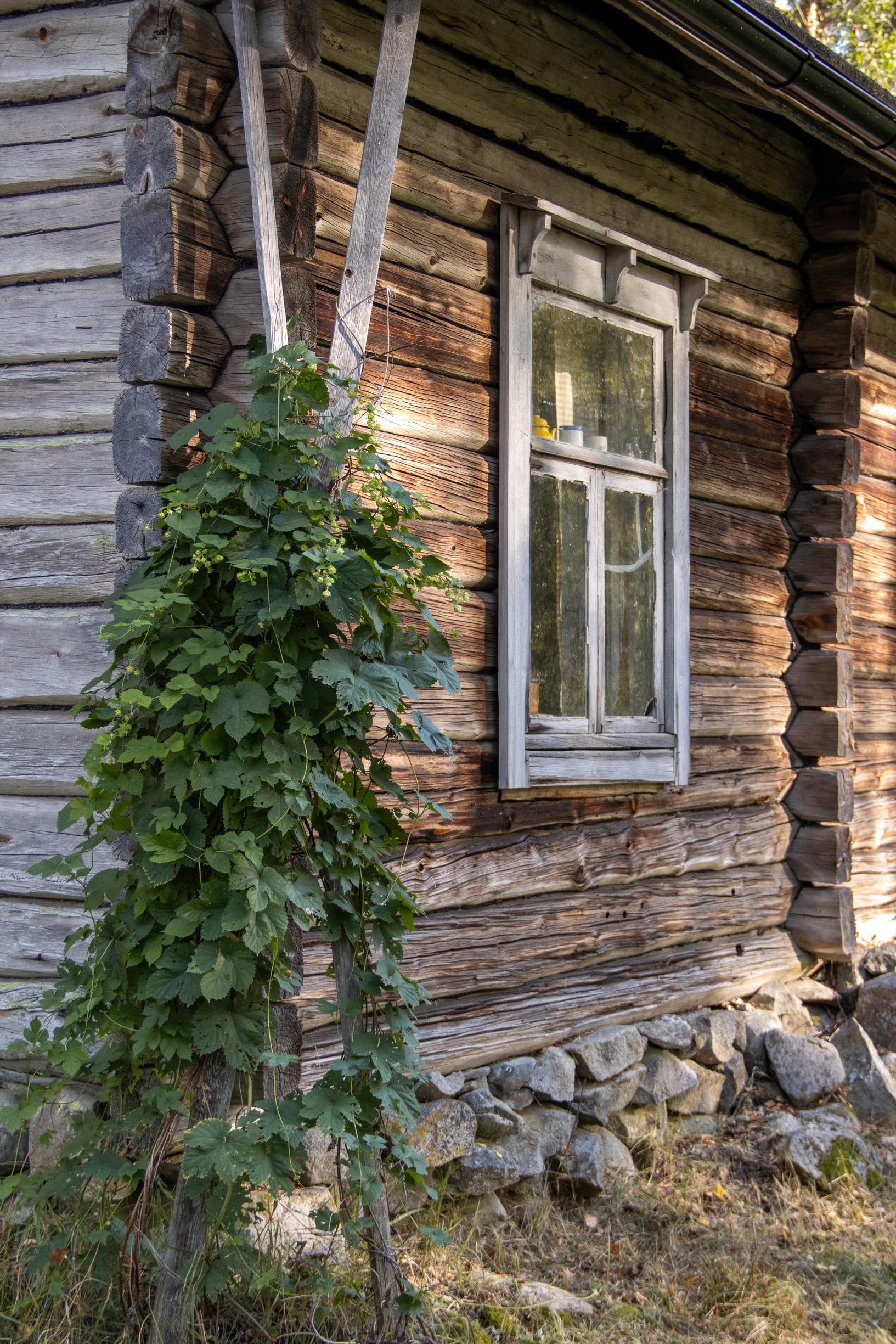
Old miller’s cottage lit by candles—Finnish getaway that feels almost like a museum
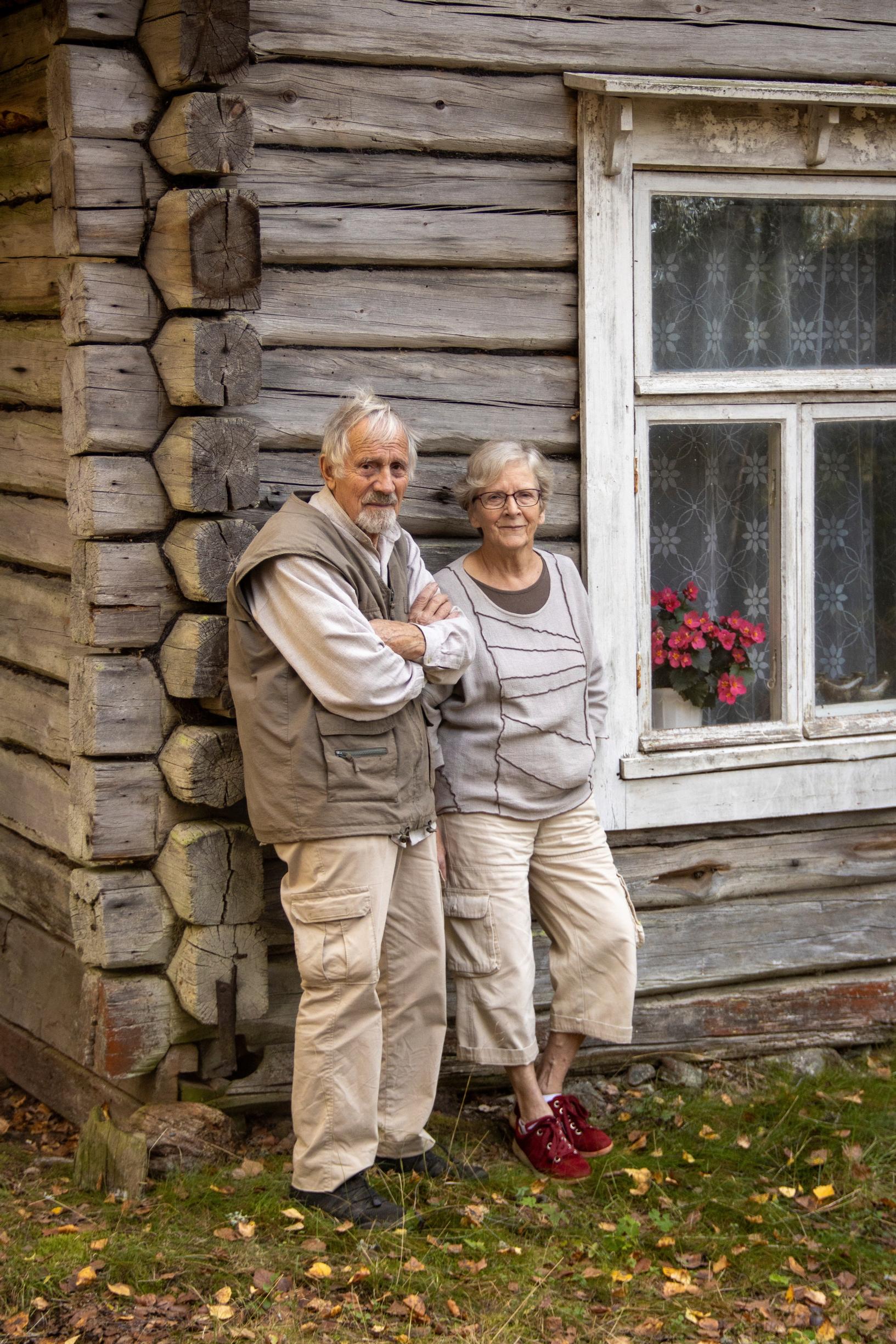
A bygone world still lives on in the old miller’s cottage, whose authentic atmosphere, objects, and architecture have charmed many of Eeva-Liisa and Hartwig Reuter’s international guests over the years.

A place to rest. Maybe an apartment that would always be warm and easy to live in? That’s what Eeva-Liisa and Hartwig Reuter had in mind at first. They were running a family home in Jyväskylä, Finland, and longed for a place where they could occasionally catch their breath.
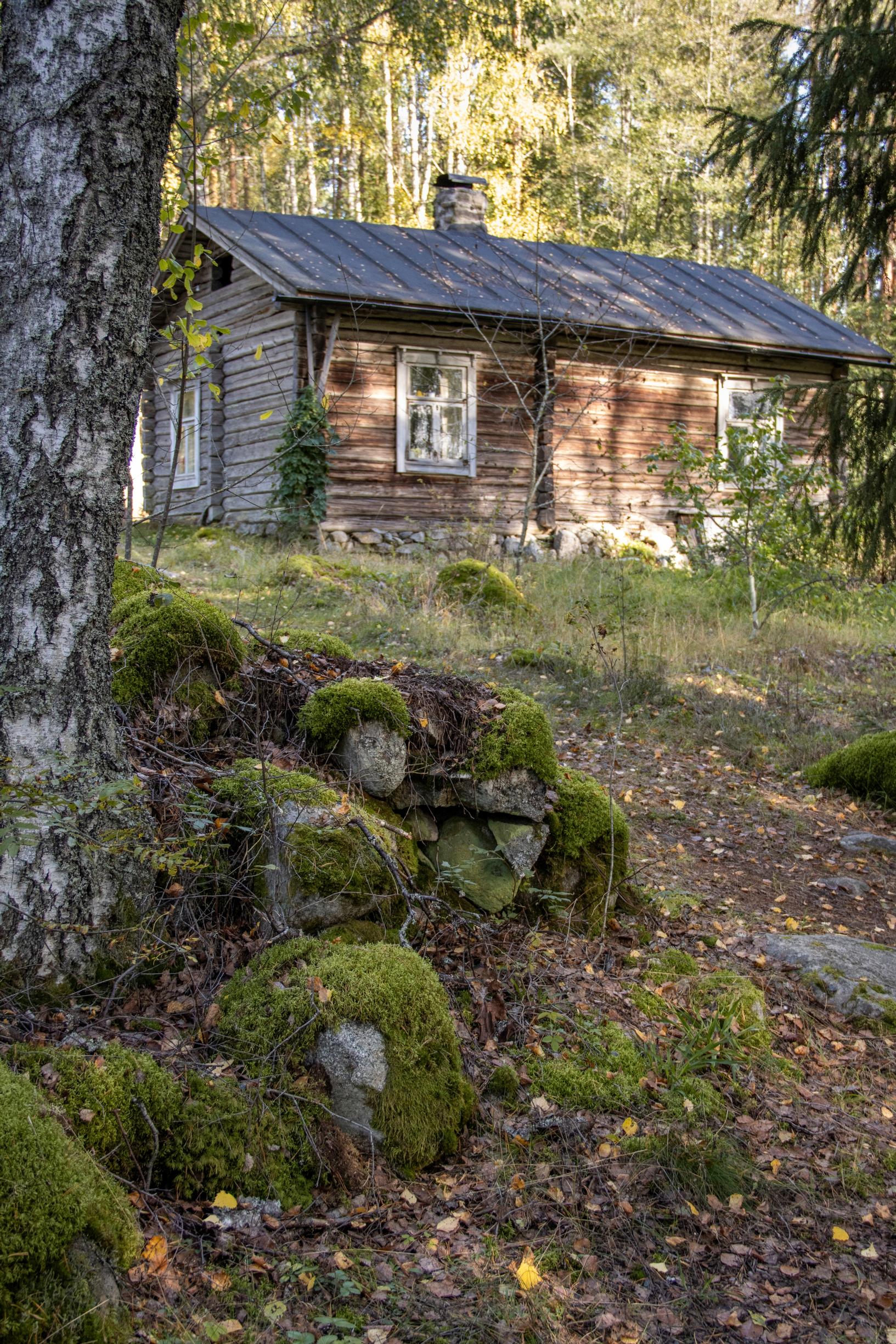
In the late 1980s, the couple explored different options and happened to see a listing that drew them in. In the town of Toivakka, an old miller’s cottage was for sale. The Reuters went to see the place likely built in the 1700s.
"When we stepped inside, I almost turned right back around. The cottage looked awful then," Hartwig Reuter recalls of their first visit to the building nearly 40 years ago. "Even the ceiling was nothing but rough boards."
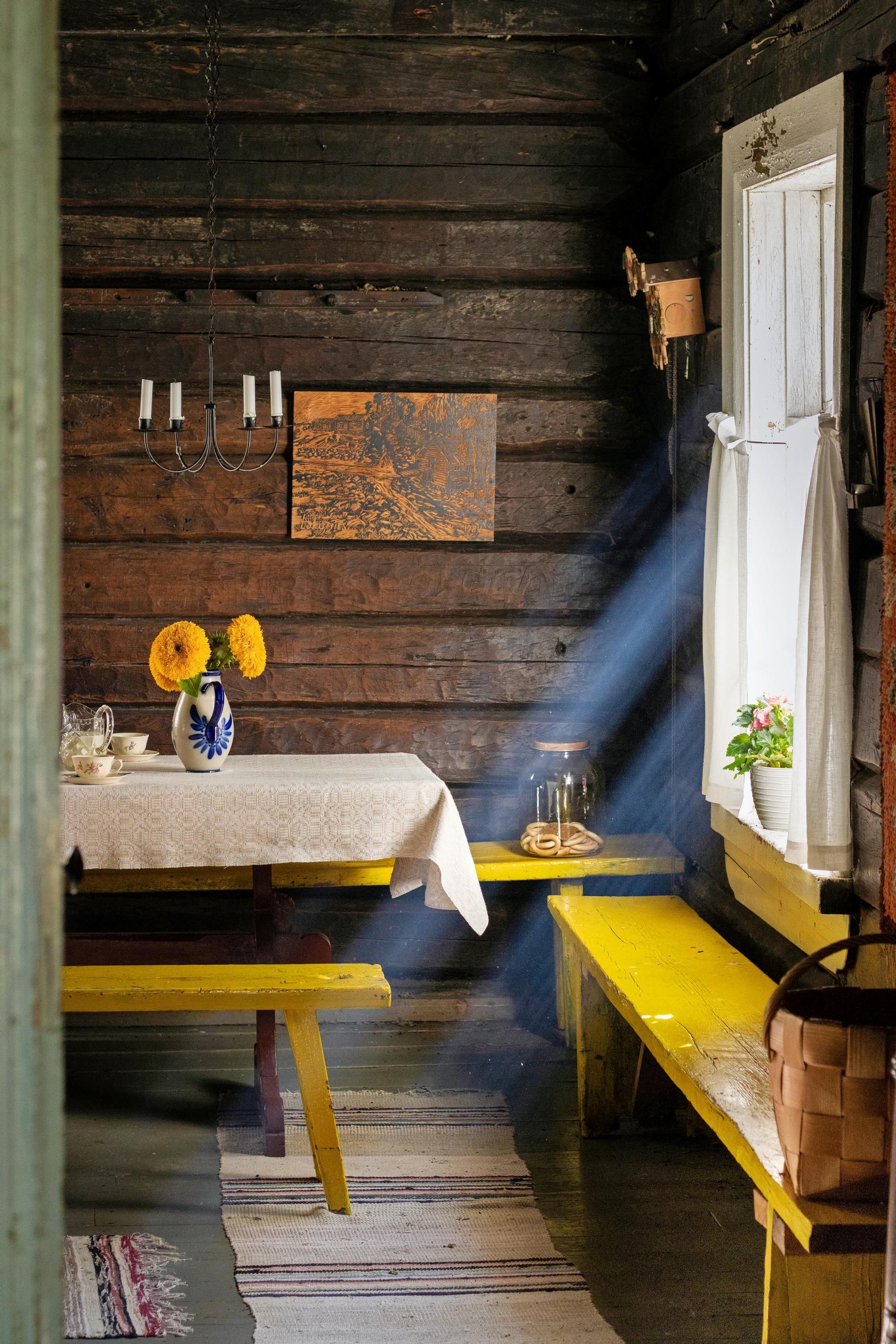
“But in the kitchen there was still about one square meter of the original, black boards. It made such an impression on us that we wanted to buy the cottage."


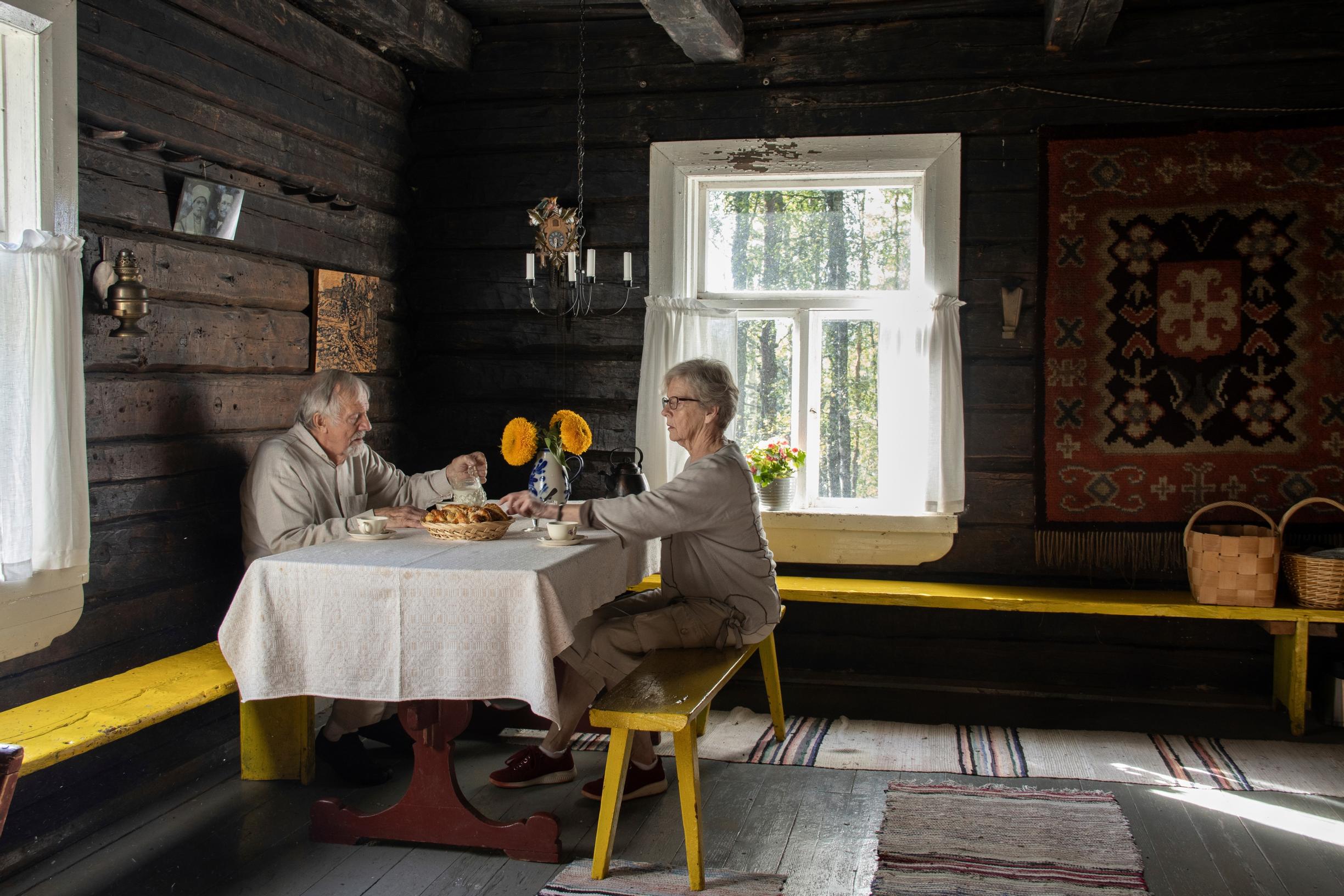
A miller’s cottage built in the 1700s
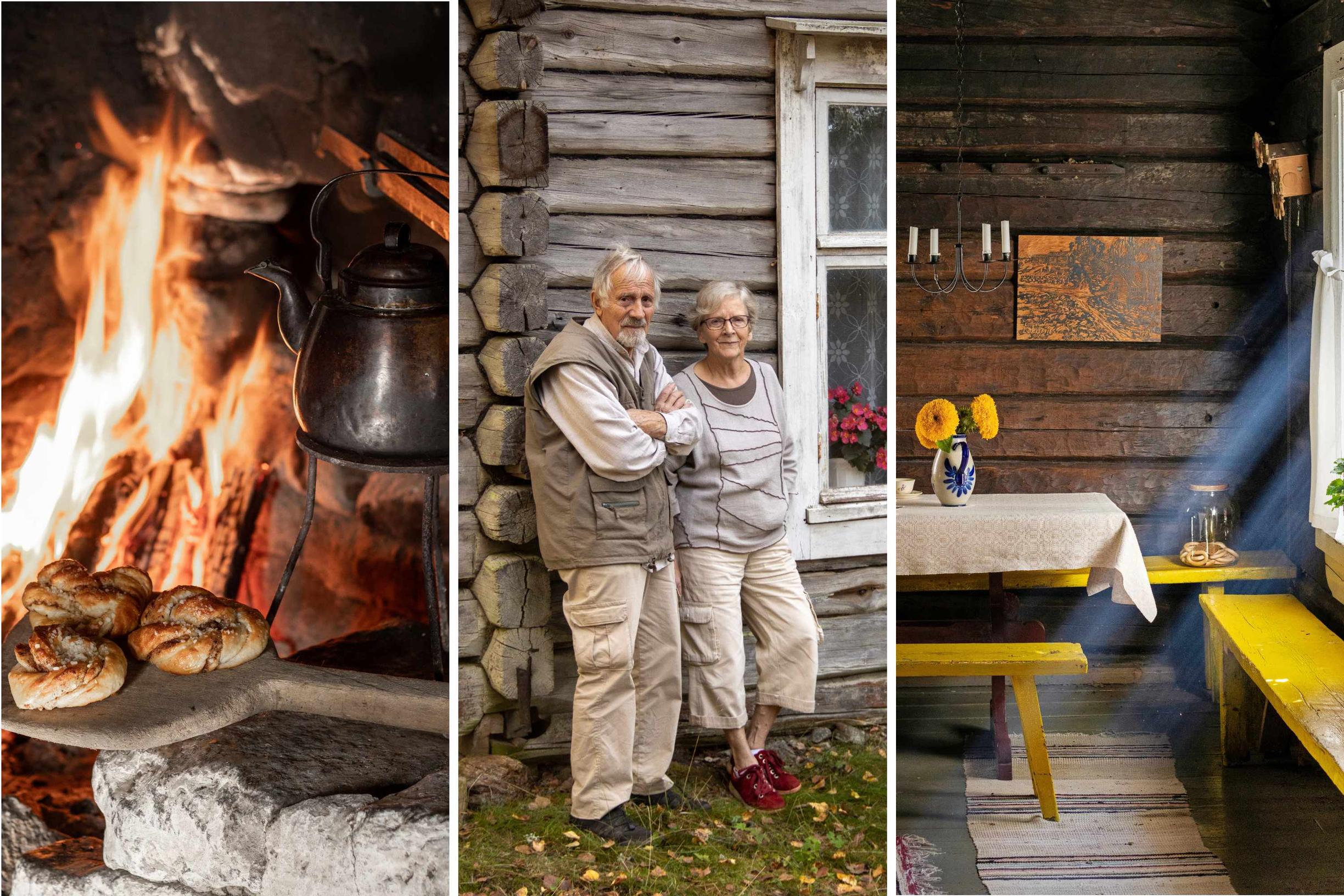
Who stays here: Hartwig Reuter, 89, Eeva-Liisa Reuter, 78, and sons Lauri, 39, and Aapo, 37, with their friends. Hartwig has worked as a carpenter and architect; Eeva-Liisa as a physics and chemistry teacher.
Cottage: A log-built miller’s cottage and granary, likely built in the 1700s, about 40 square meters (430 square feet).
Where: On the banks of the rapids in Toivakka, Finland.
Over the decades, the cottage has become dear and important to the Reuters. For Eeva-Liisa, it’s a place to go and find herself, far from traffic and crowds.
"People have lived here before us and truly year-round, full lives. The traces of their lives are visible, but their work no longer obligates those who come after," Eeva-Liisa says.
The past is present in many ways in this atmospheric 18th-century setting. The current owners also know a lot about its history.
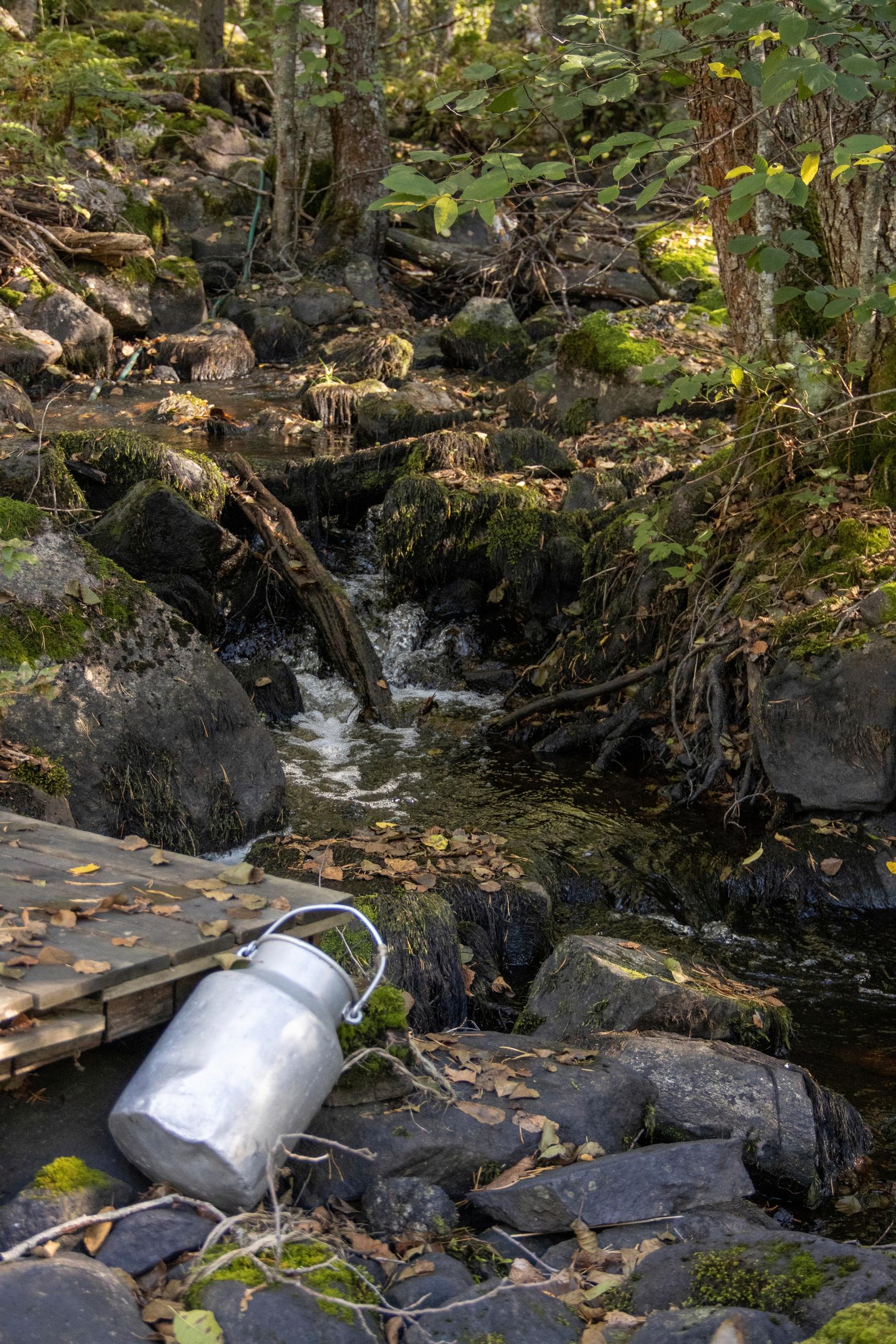
The mill that stood next to the cottage had already collapsed by the time of the Reuters’ first visit. Watermills were built beside running water, and from the upper lake down to Lake Hautajärvi there’s a drop of 22 meters (72′). The mill produced flour and groats. The rapids also powered a shingle planer along the mill wall.
At different times the mills stood in slightly different spots, and the last one had passed down through the family. The most recent miller in the lineage was Vaito Soukkanen, who installed a generator to bring electricity to the cottage and a few neighboring crofts.
It’s said the mill room was a pleasant place for customers to wait, because according to oral history Vaito’s wife Hilma was a cheerful and welcoming hostess. Many traveling men spent the night on top of the cottage’s warm oven.

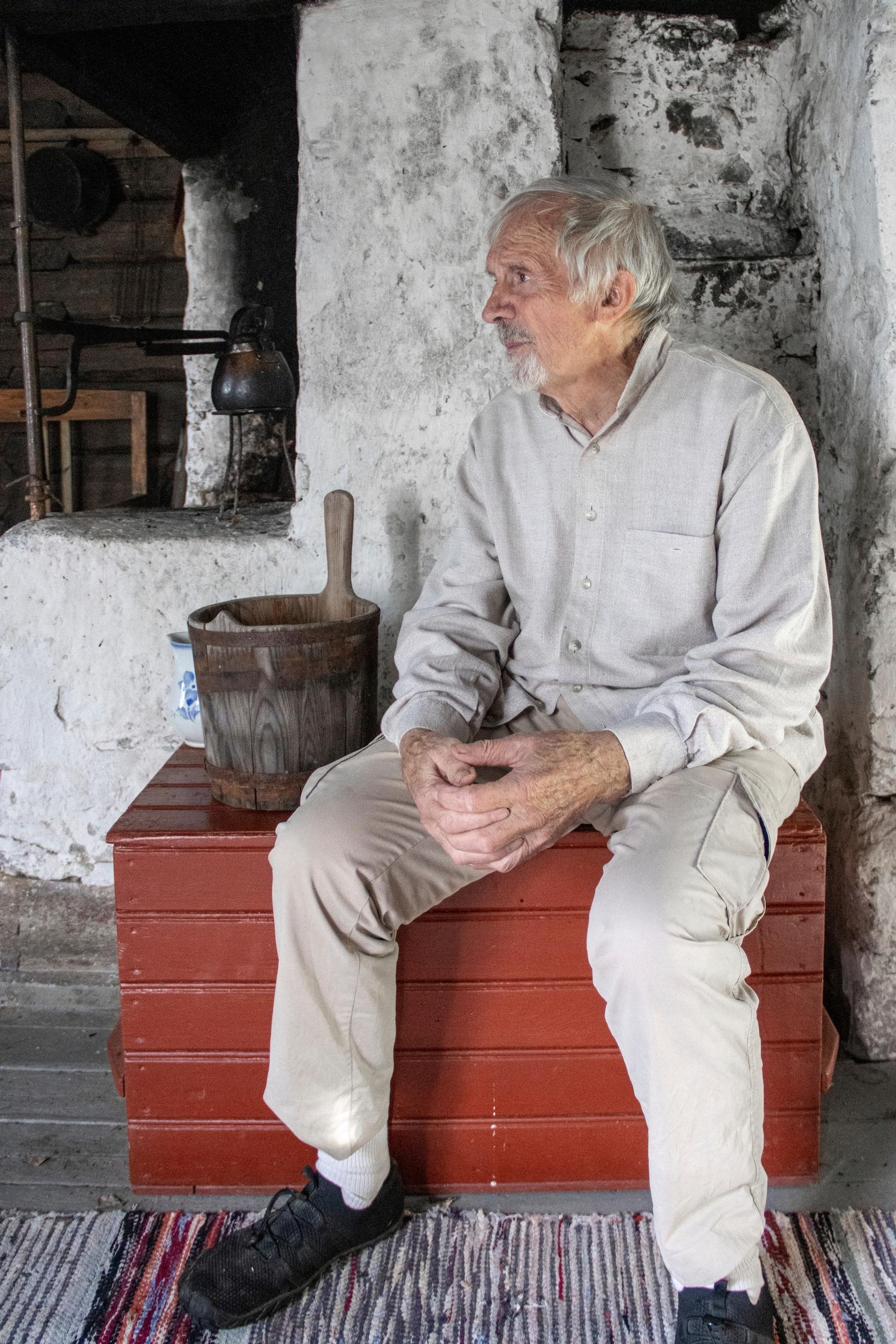

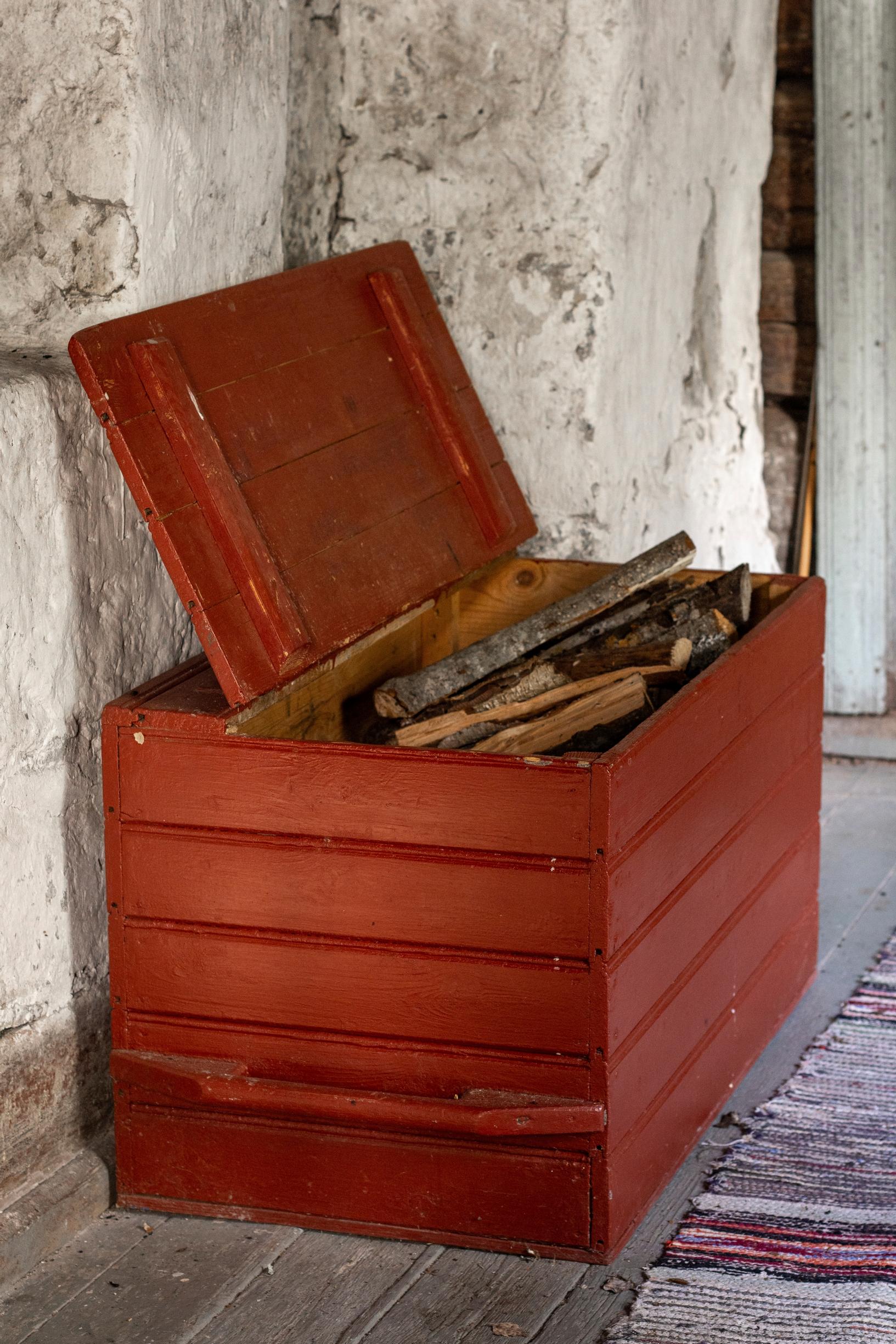

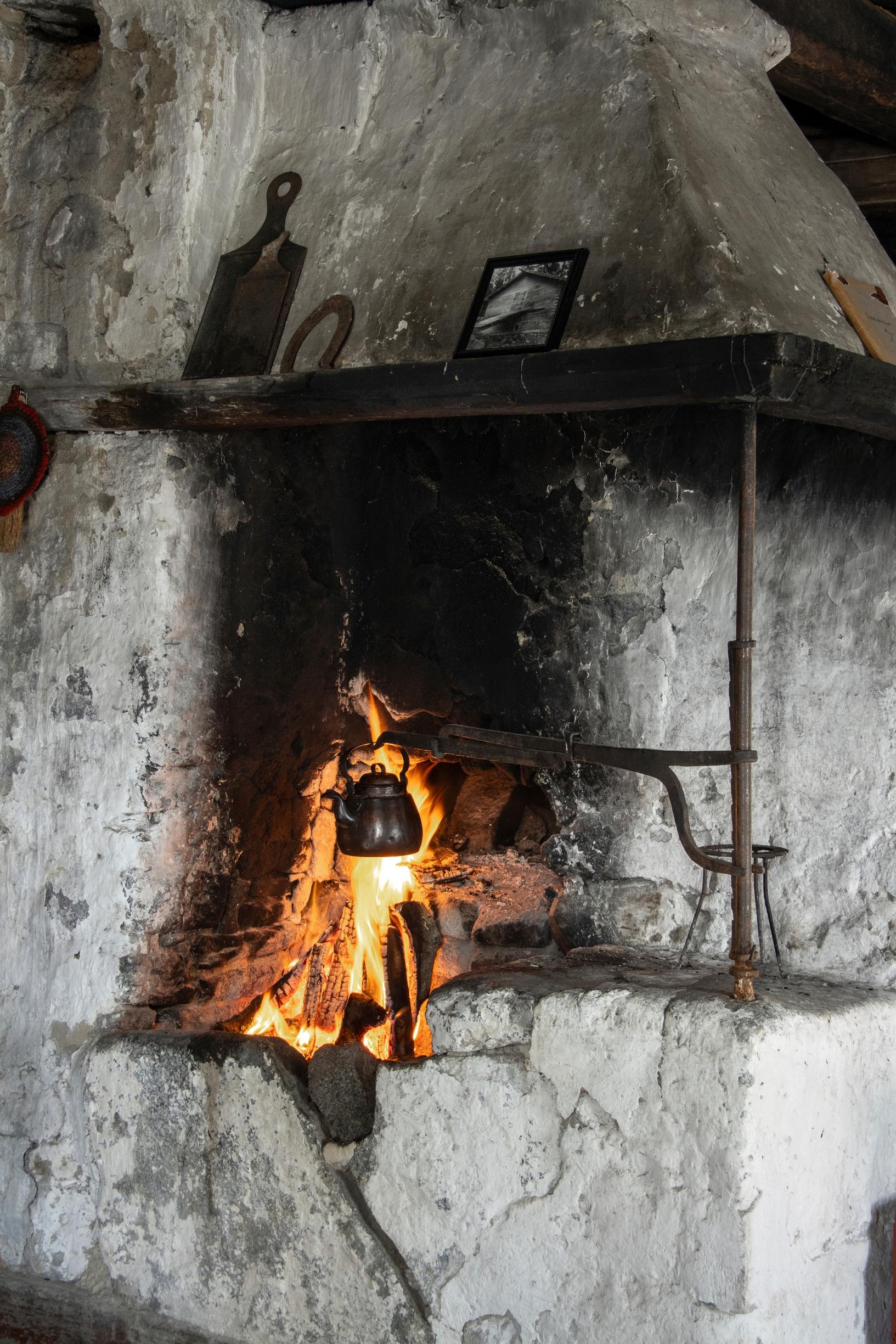

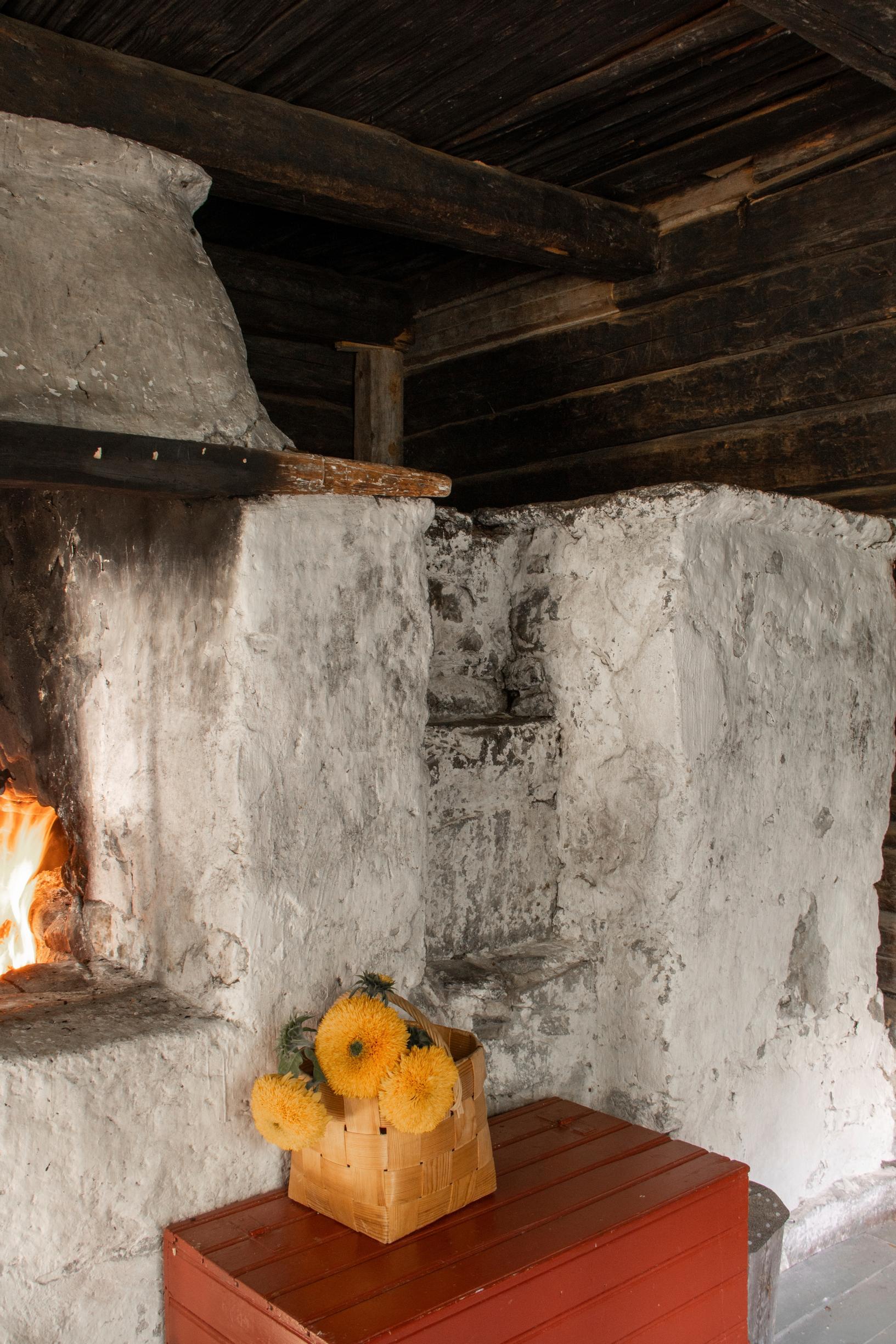

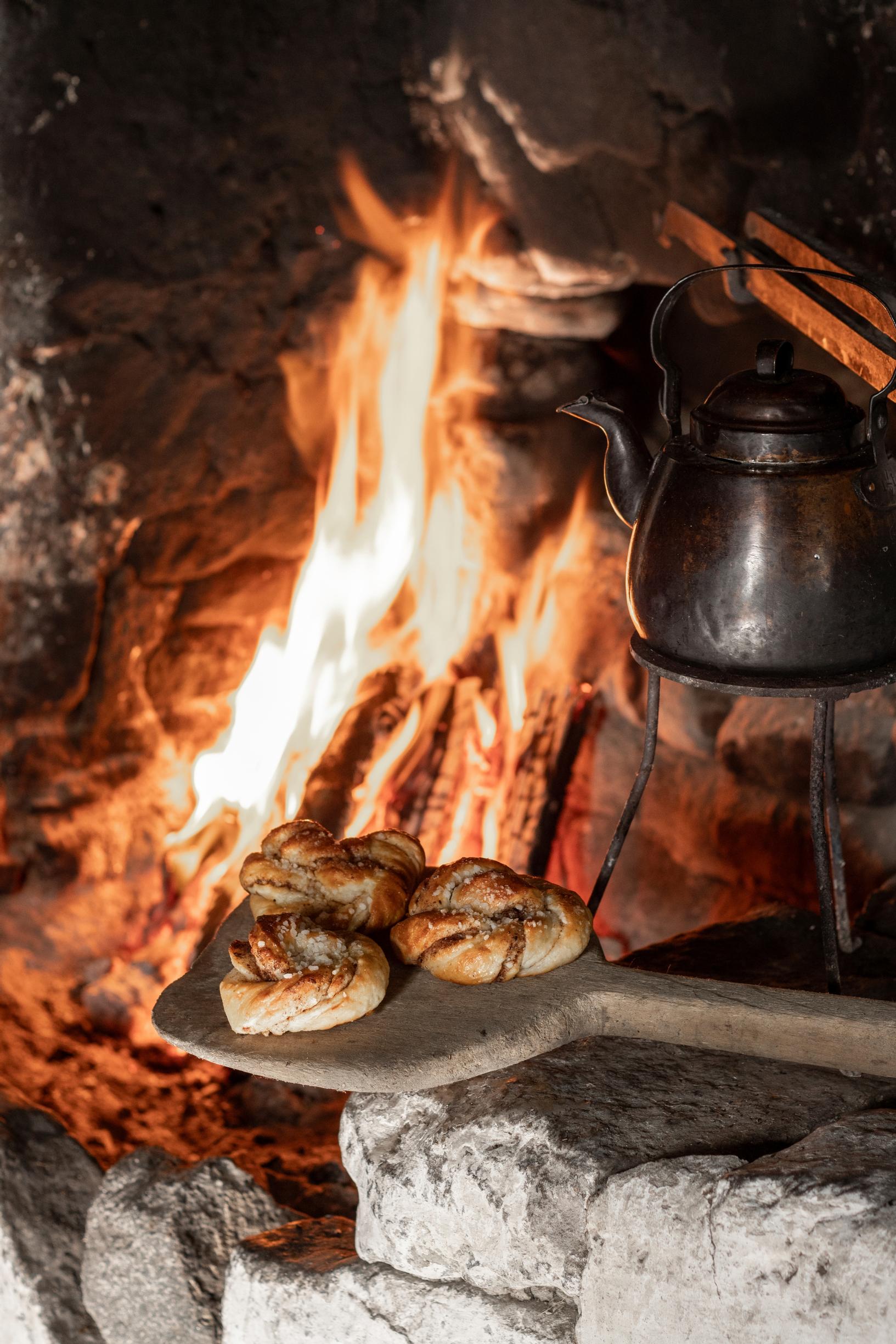
When the miller and his wife moved away, they rented the cottage out. And when they finally decided to sell the cottage, the sale "came with" one of the tenants: the widow, Mrs. Lukumies — the pastor’s wife. She was allowed to spend one last summer in the cottage she had grown to love.
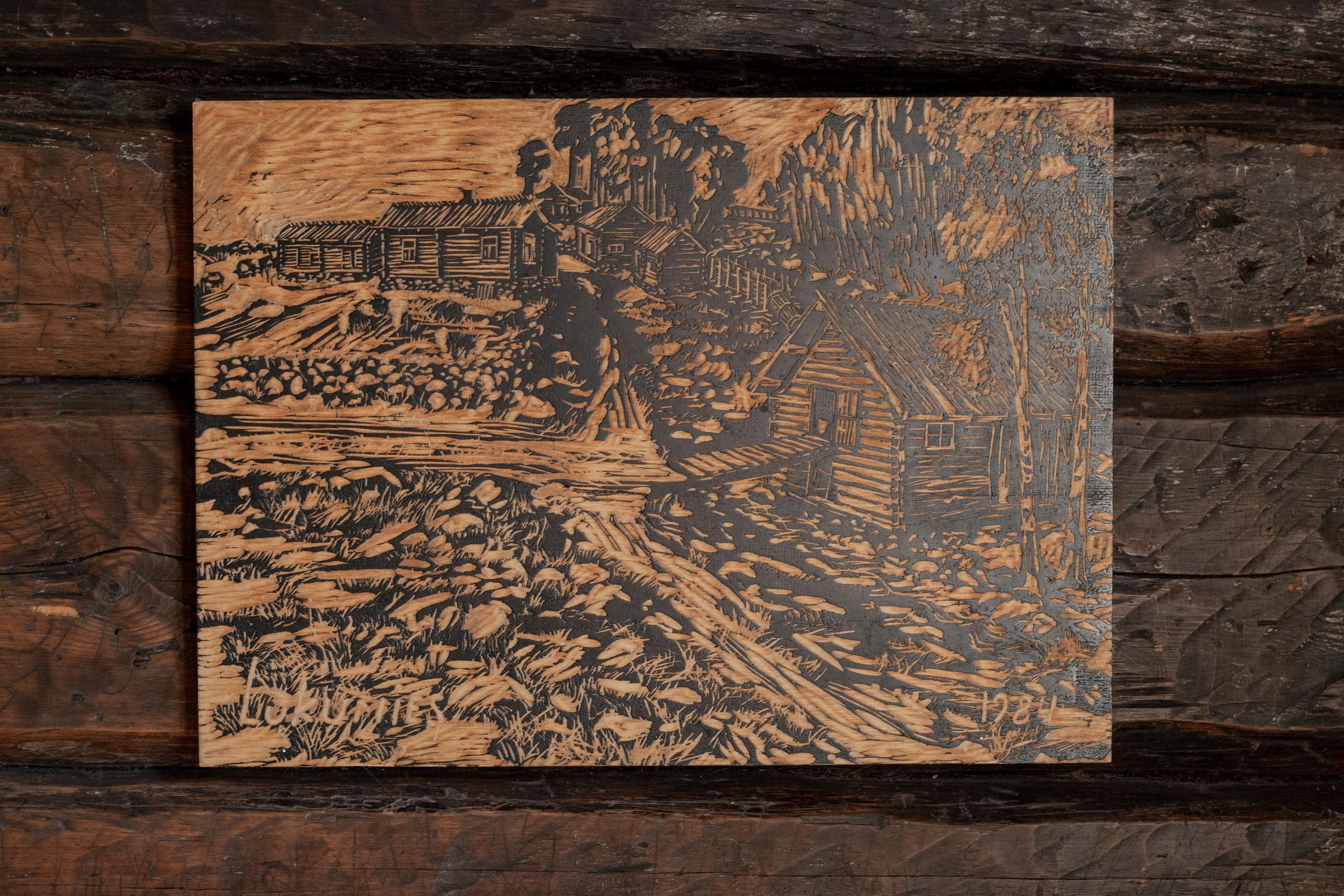
The Lukumieses’ son, artist Pellervo Lukumies, is remembered especially for the controversial paintings in Toivakka Church. Hartwig Reuter says the artist also wanted to leave his mark on the miller’s cottage.
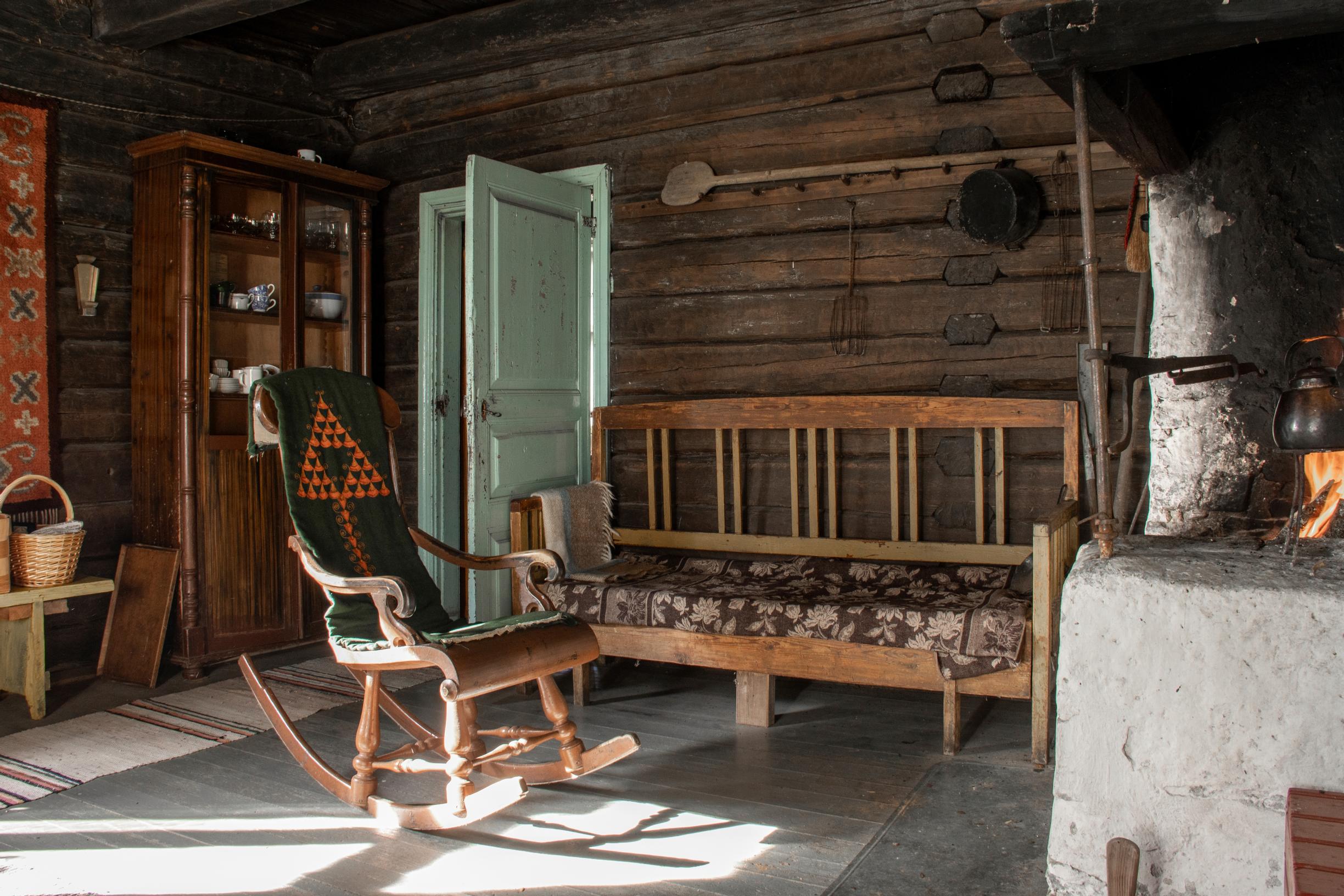
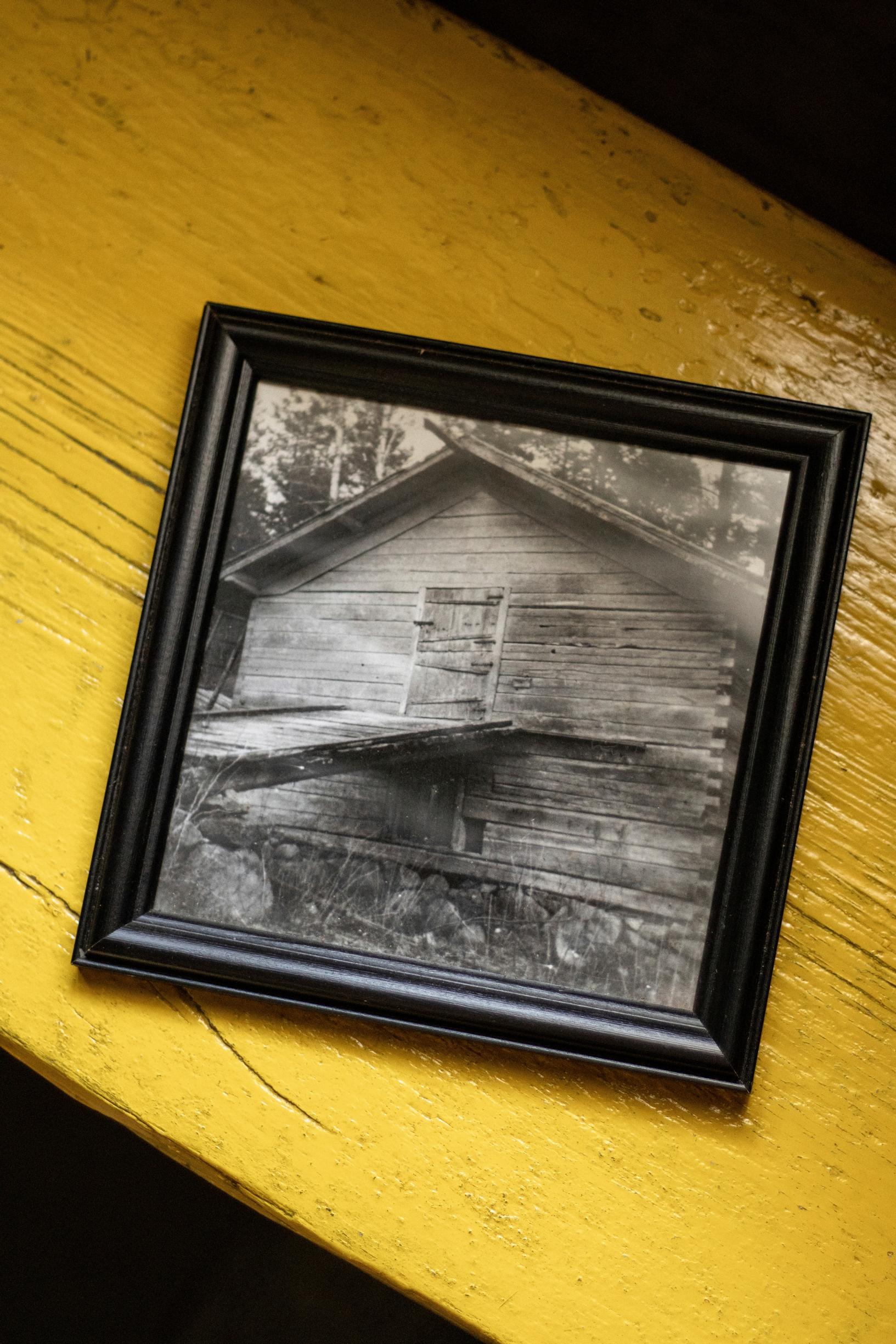
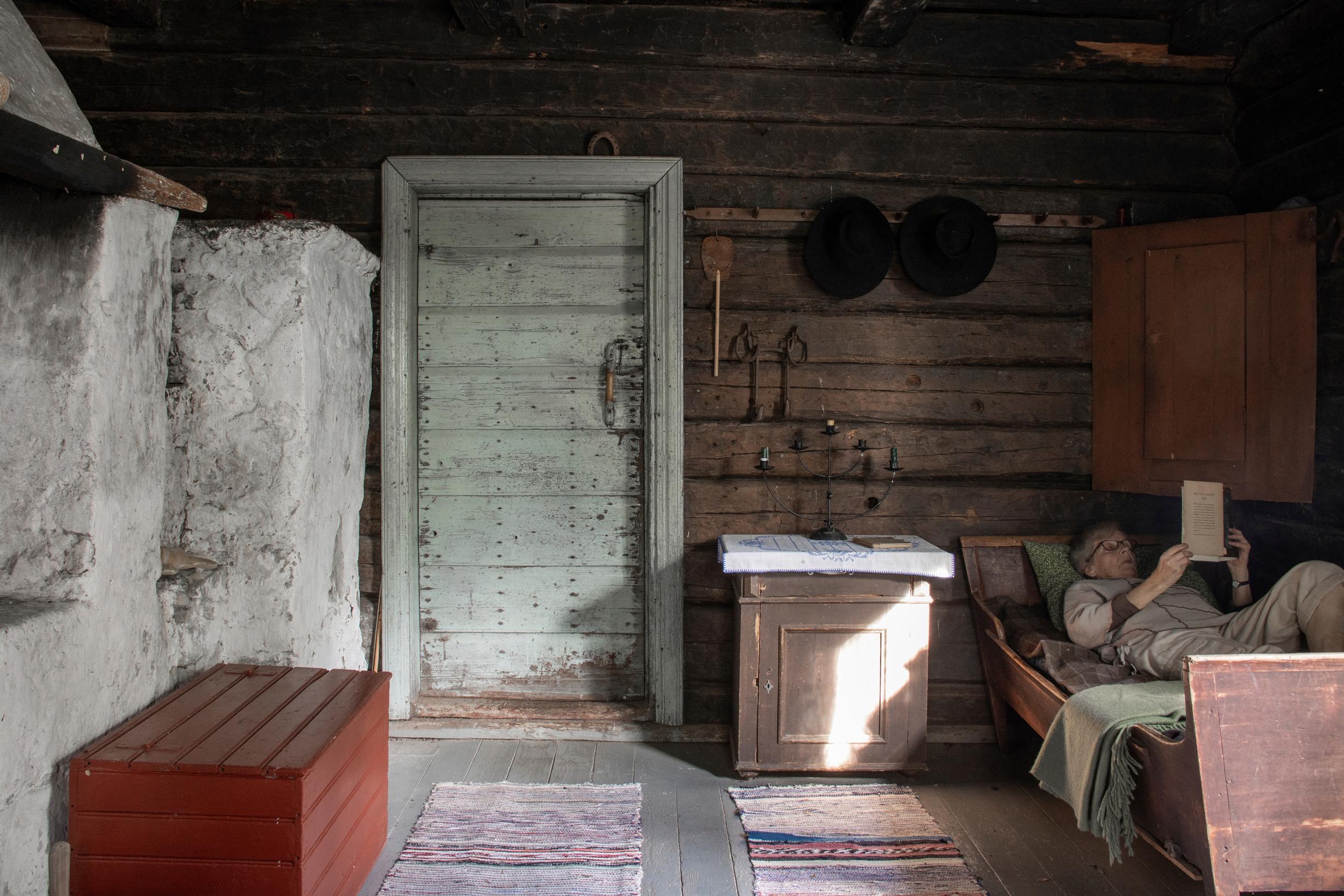
"The bright yellow benches in the main room are the same paint that Pellervo Lukumies used to paint the images in Toivakka Church. When the church paintings were restored, it was diluted."
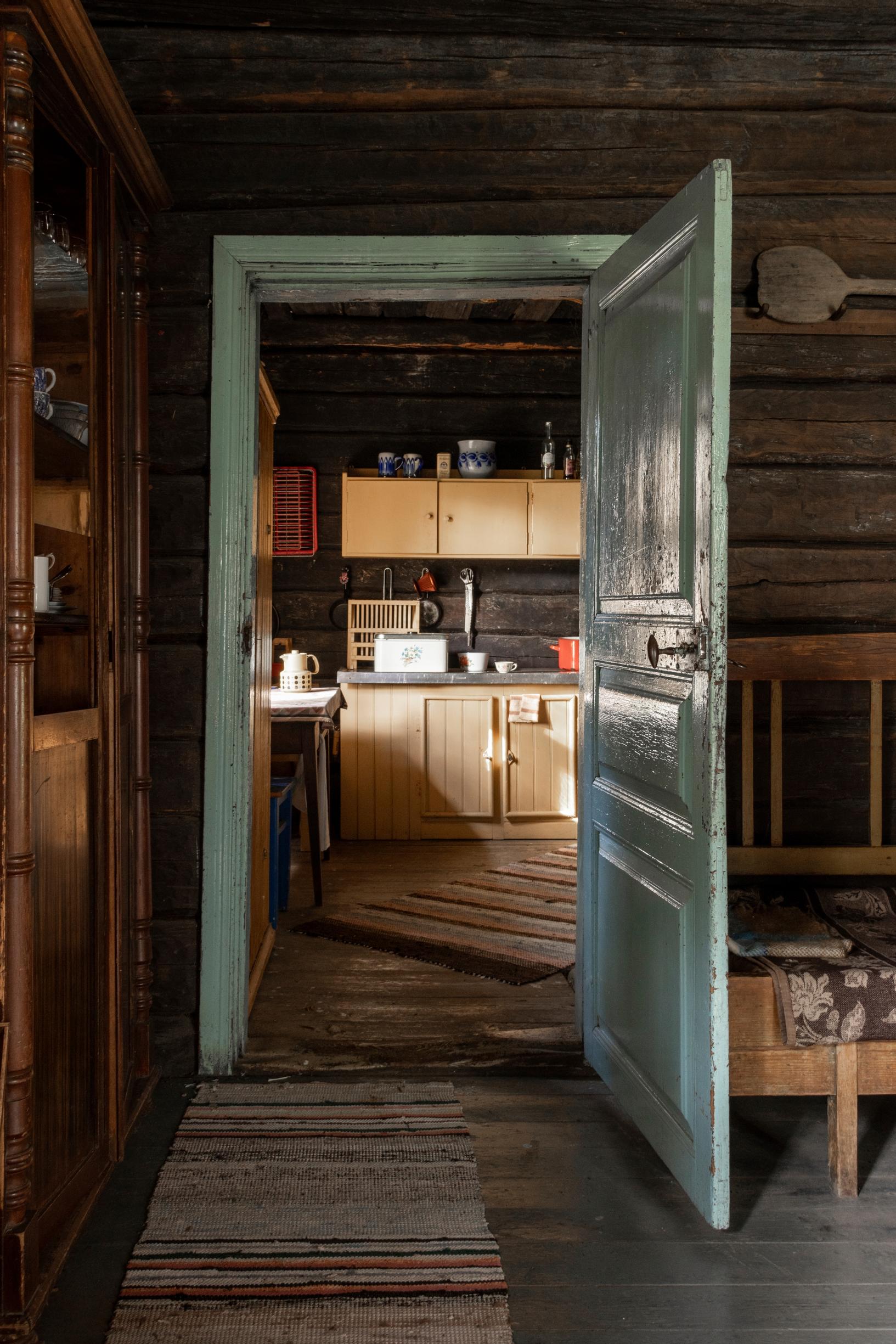
Also part of Lukumies’s use of color at the cottage are the turquoise doors with their casings and the gray wooden floor.
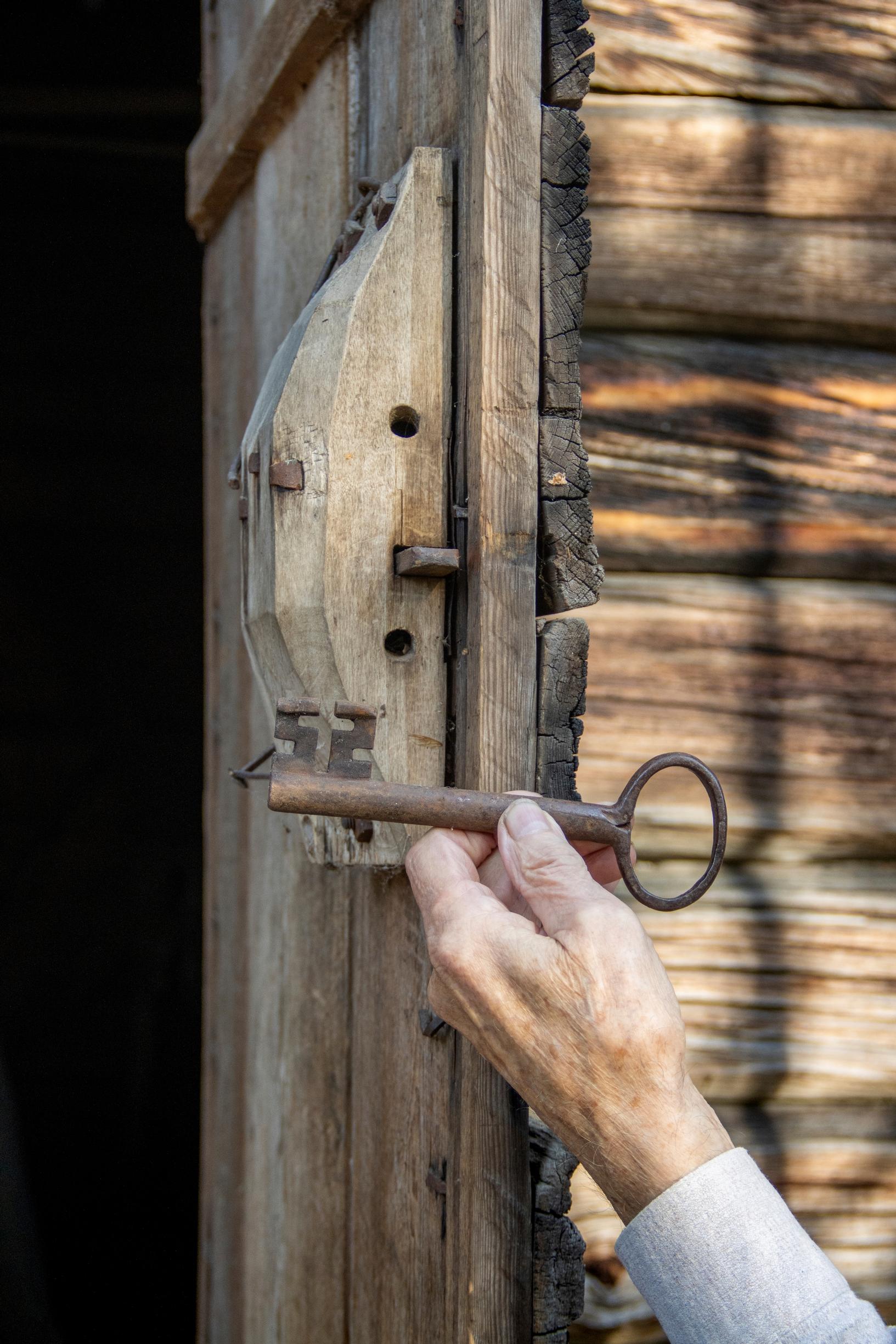
The Reuters have wanted to keep the cottage as close to its original state as possible. In the dark-toned main room, open fire and candles provide all the light they need, and they’ve figured out solutions for cooking even without electricity. Even though this second home wasn’t the level of comfort the couple once imagined, the Reuters haven’t felt it necessary to add modern conveniences.
When they acquired the miller’s cottage, it mattered to the Reuters to take their children at times into simpler surroundings and on forest outings. In their teenage years, their sons spent many midsummers with a big group of friends on the mill cottage grounds, and the cottage is still an important place for the whole family.



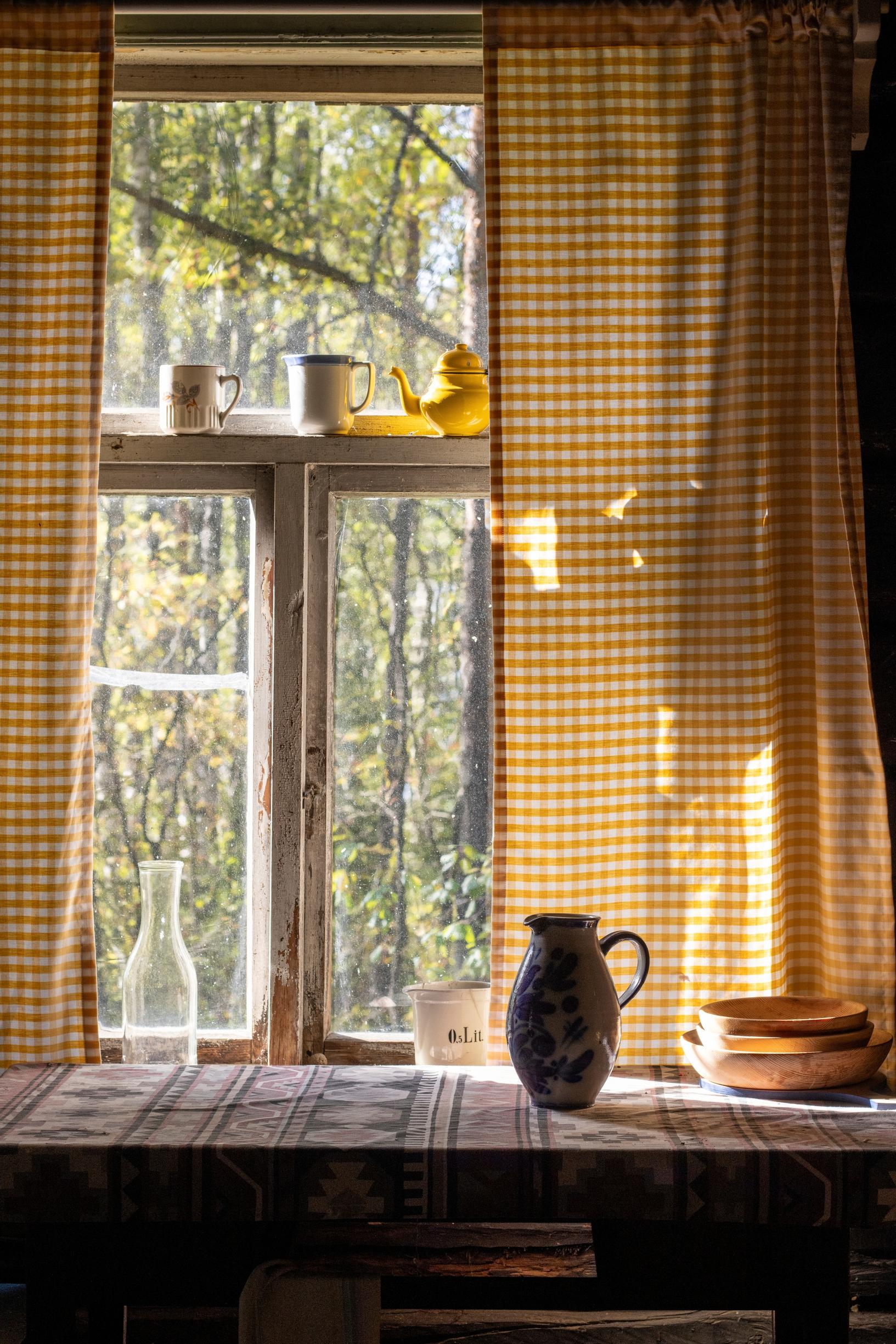

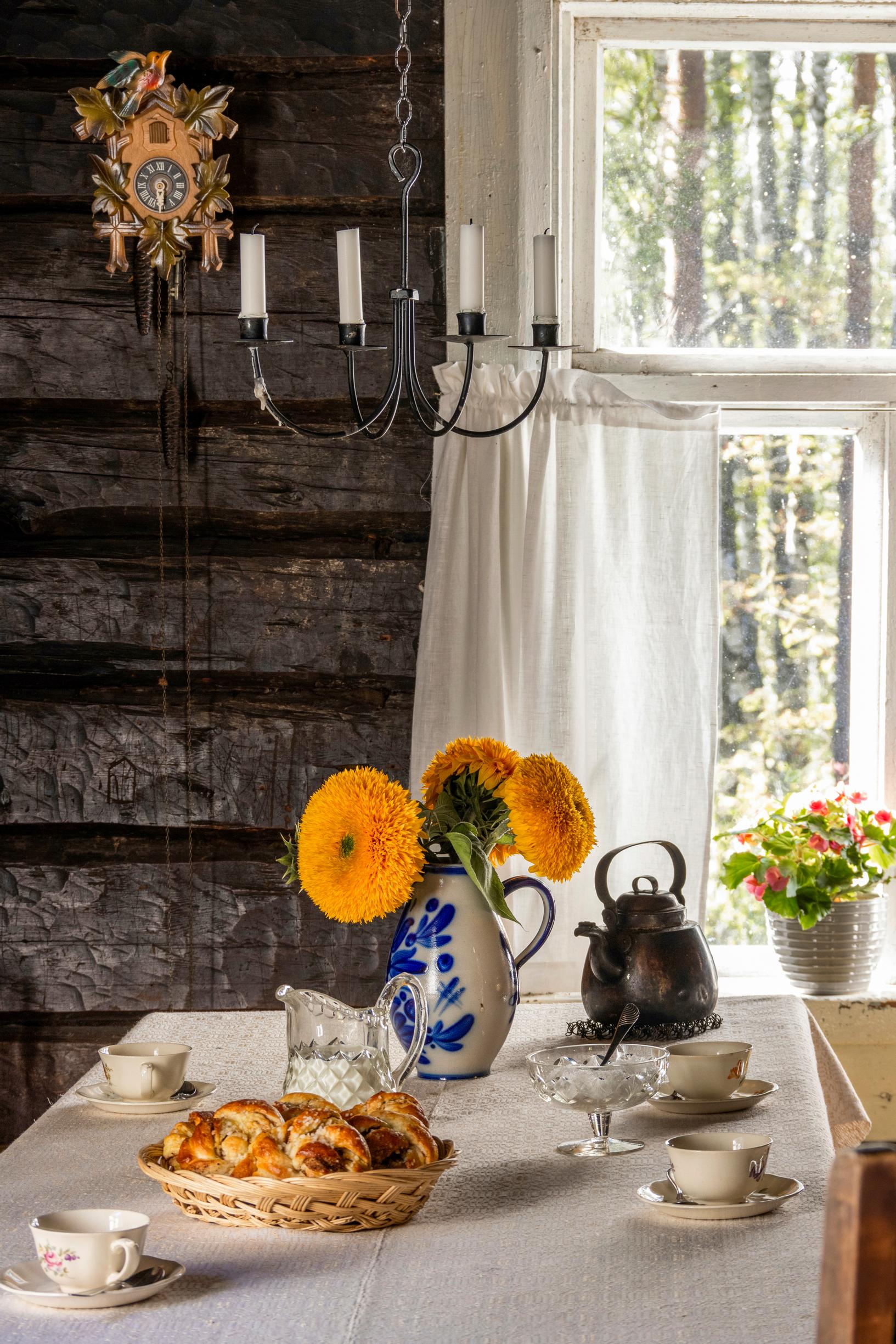
Hartwig Reuter came to Finland from Germany in the late 1950s, and as an architect he watched with sadness as old buildings in Jyväskylä were demolished in favor of the new and modern. Cherishing old wooden buildings became his life’s work. Äijälä House and Rauhaniemi in Jyväskylä are estates founded in the 1500s that have found worthy caretakers and restorers in the Reuters. They can always at least drop by the miller’s cottage, too, since it’s a 30-minute drive from home.
"I couldn’t save the mill, because there are no millers anymore, and it didn’t make sense to take on that task purely for museum purposes. The millers’ era lives on only in stories now," Hartwig reflects.

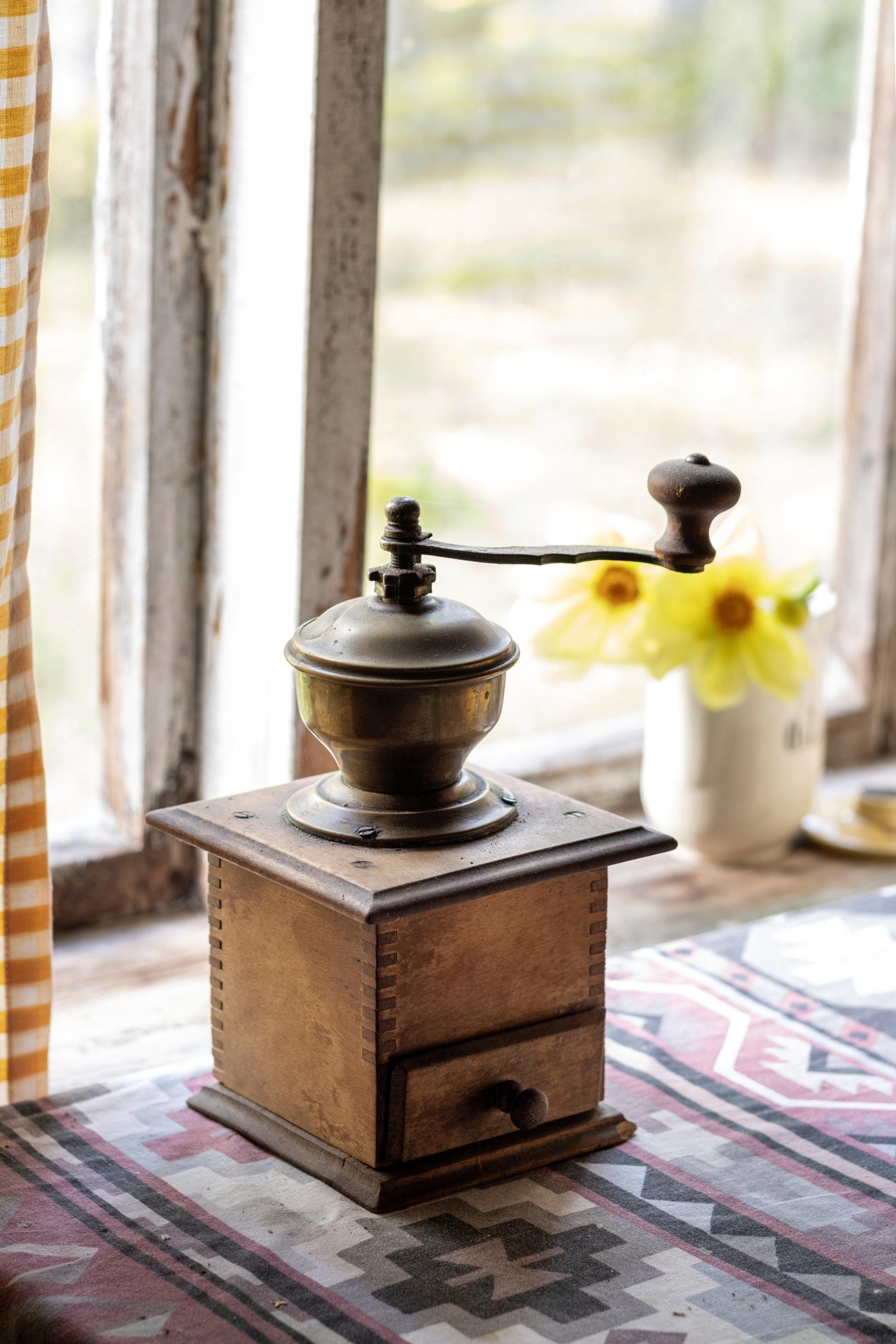

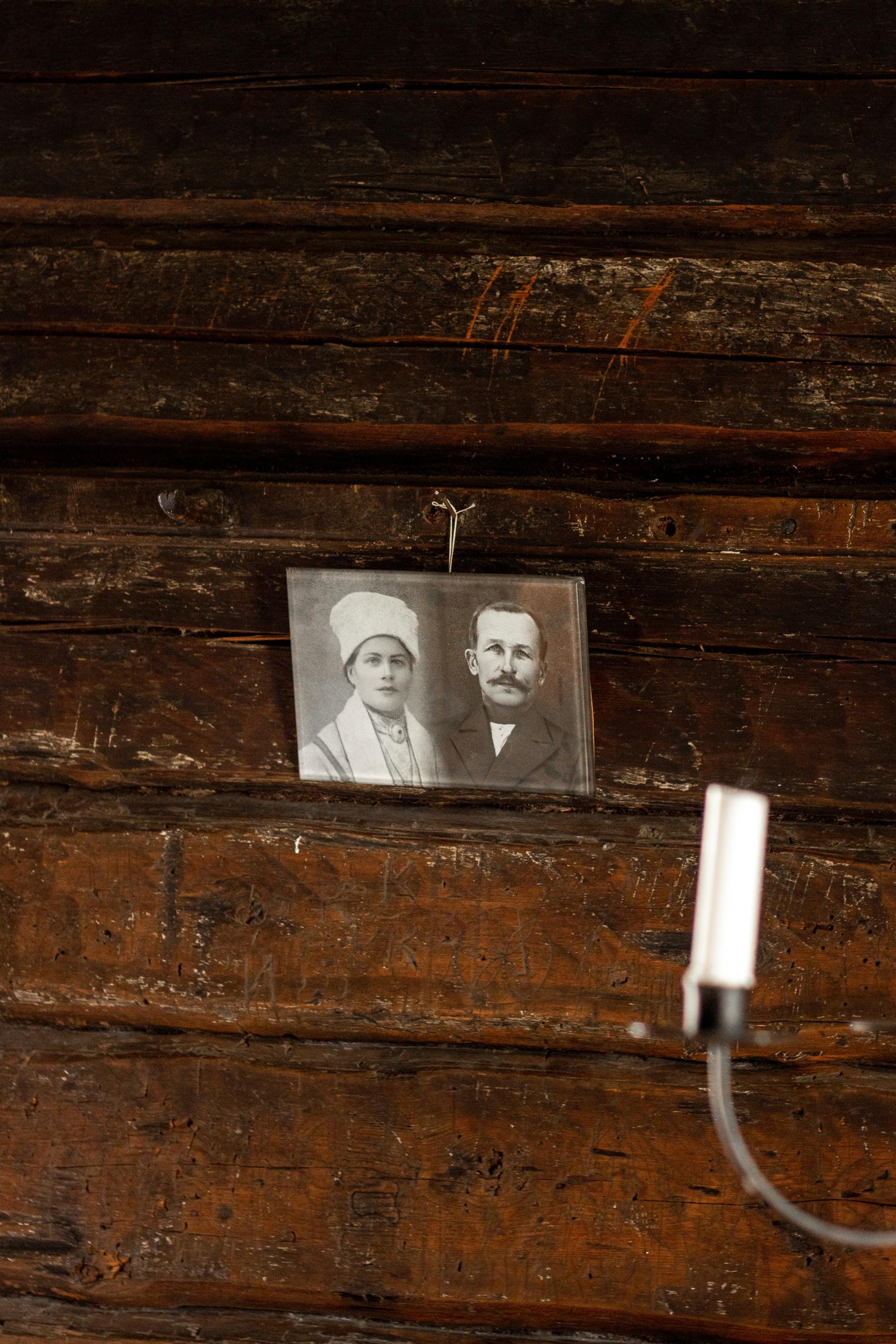



The couple has some favorite moments through the seasons at the cottage. For Hartwig, one is tarring the boat when the spring snow still lingers. When the sun blazes from a blue sky onto white drifts and there’s unbroken peace all around, Hartwig can see his own face beaming with contentment reflected in the tar bucket. In that moment, he can’t imagine feeling happier.
"I learned how to tar a boat from old Finnish men, but there are hardly any wooden boats anymore, so the people who tar boats have almost disappeared."
Eeva-Liisa also delights in the soundscape of the place.
"The forest and the rapids muffle the noise life brings. In spring the rapids roar, and in summer they remind you of themselves as a calming background sound," she says.
Not everyone enjoys the reduction—or even the total absence—of noise, however. For some visitors, the silence has felt so oppressive that their stay ended quickly.
"An older German couple who lived next to an airport at home set off for the cabin for a few days. They were supposed to be there for many days, but the silence felt so frightening to them that they soon returned to the city," Eeva-Liisa recalls.
The guest book, however, has filled up with a large number of happy notes in English, Japanese, Spanish, German, and Finnish. Many have praised the awe-inspiring sauna-and-rapids experience.
"This is something unique; heaven isn’t far away."