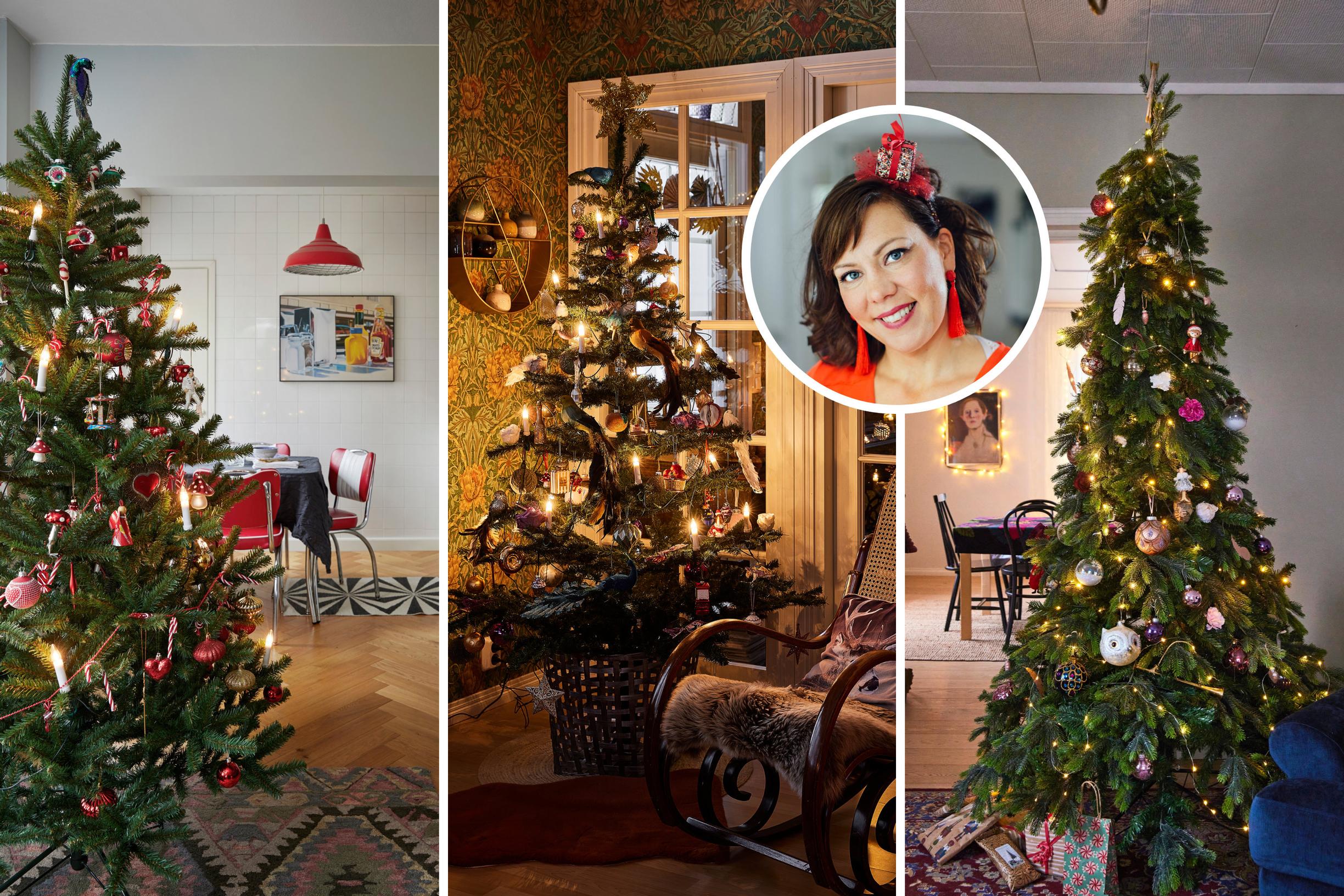
Real or artificial Christmas tree? The question is both personal and environmental—our cat made the decision for us
A spruce top grown in a nearby forest is the most environmentally friendly choice among Christmas trees. Still, there are several other factors to consider when choosing a tree, reflects Elisa Miinin.
During a house tour, my spouse whispers to me, “We’ll put the Christmas tree right here.” I agree. The tree is our most important holiday decoration, and we place it in the living room on the first week of December at the latest. To be honest, we usually have at least three trees: one for me, one for the kids, and one on top of the Christmas-themed car in our yard.
But should you get real or an artificial Christmas tree? For a long time, I felt that, despite the falling needles, I still wanted a real, wonderfully fragrant tree. Over time, I became quite adept at keeping it alive for weeks on end.
Little by little, my growing ornament collection started to overwhelm the forest spruce branches. They drooped ominously under the weight of the glass balls.

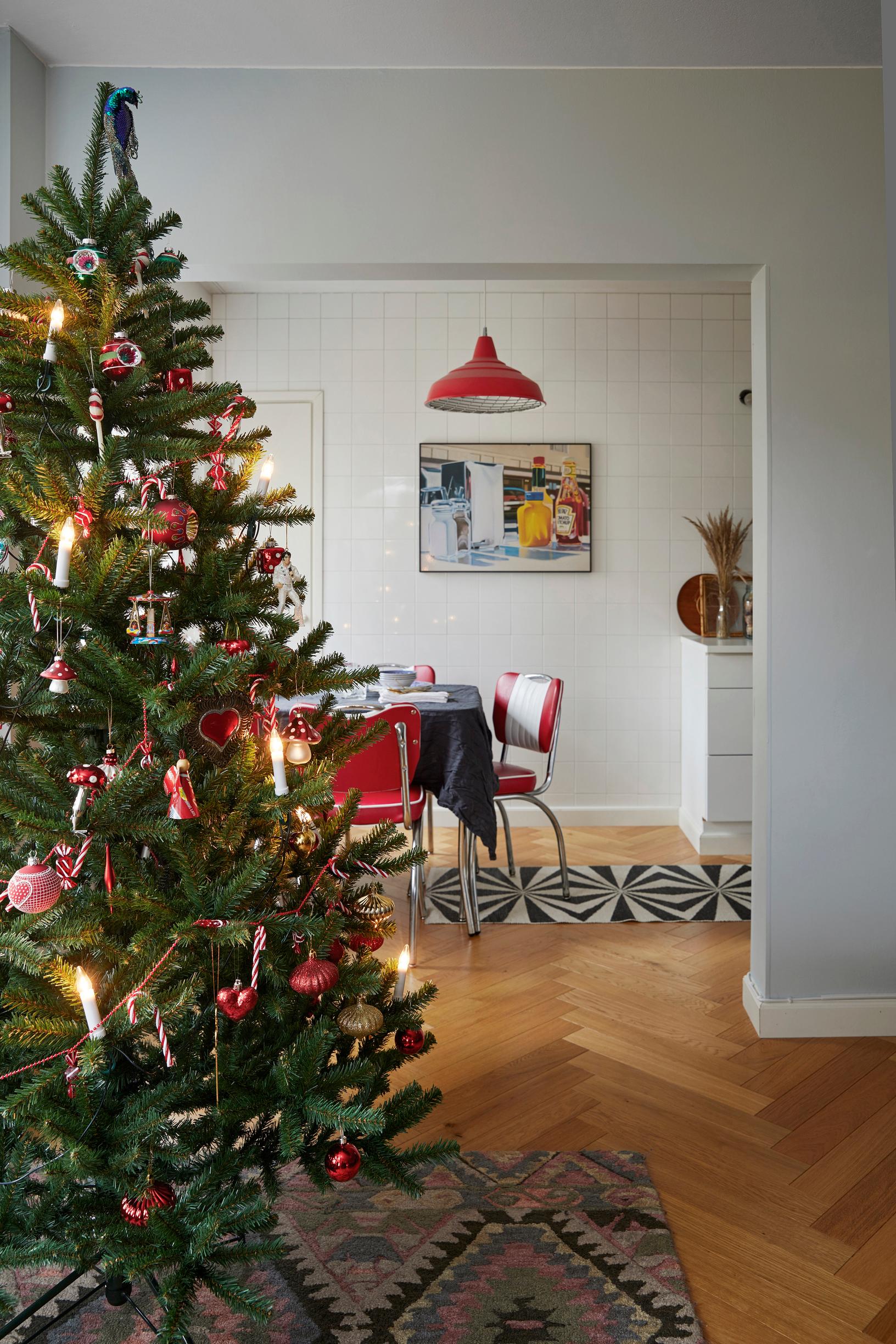
“A plastic tree does not decompose, which is why you should only consider buying one if you plan to use it for many years.”
Around ten years ago, most artificial trees looked—well, plastic. They had sparse branches and resembled green car wash brushes more than actual trees. A friend of mine—also an avid glass ornament collector—pointed me to a lush and lovely model that was sold in limited batches each year by a certain online store.
In the end, it was the kitten that arrived in our family just before Christmas that changed my mind. Our dachshunds had been content to snag gingerbread cookies from the tree, but the kitten climbed the trunk and knocked each glittery ornament onto the floor one by one. Fighting back tears, I gathered the shards of my most beautiful decorations and placed an order for an artificial tree.
The advantage of an artificial tree is that you can bend the tip of a branch into a loop around the ribbon of an ornament. The cat can paw at the ornaments without knocking them down.

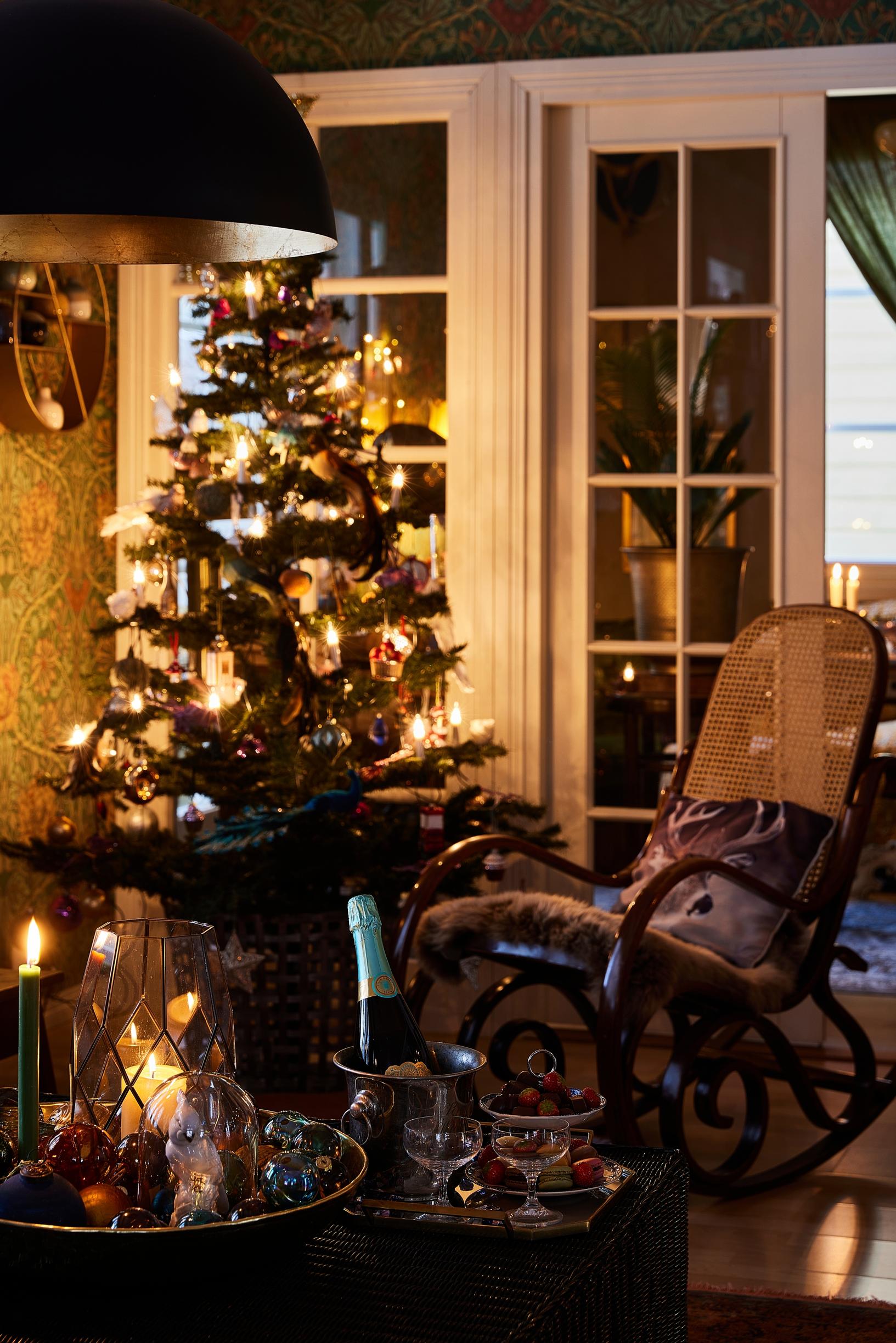
From an environmental perspective, choosing a Christmas tree isn’t just a matter of taste. A plastic tree does not decompose, so it’s worth considering only if you plan to reuse it for many seasons.
Even real trees vary. According to a Swedish study, after about ten years, the greenhouse gas emissions from a plastic tree match those of a Christmas tree grown abroad. However, it takes around twenty uses before a plastic tree’s carbon footprint equals that of a locally grown forest spruce—though the distance traveled and vehicle used also matter. The most climate-friendly choice is a locally sourced spruce top left over from logging, which would otherwise decompose in the forest.
At least in Helsinki, you can also rent a real tree, so the same one can bring joy for multiple years. If you simply throw it away afterward, its carbon footprint goes up considerably compared to composting, burning, or chipping it.

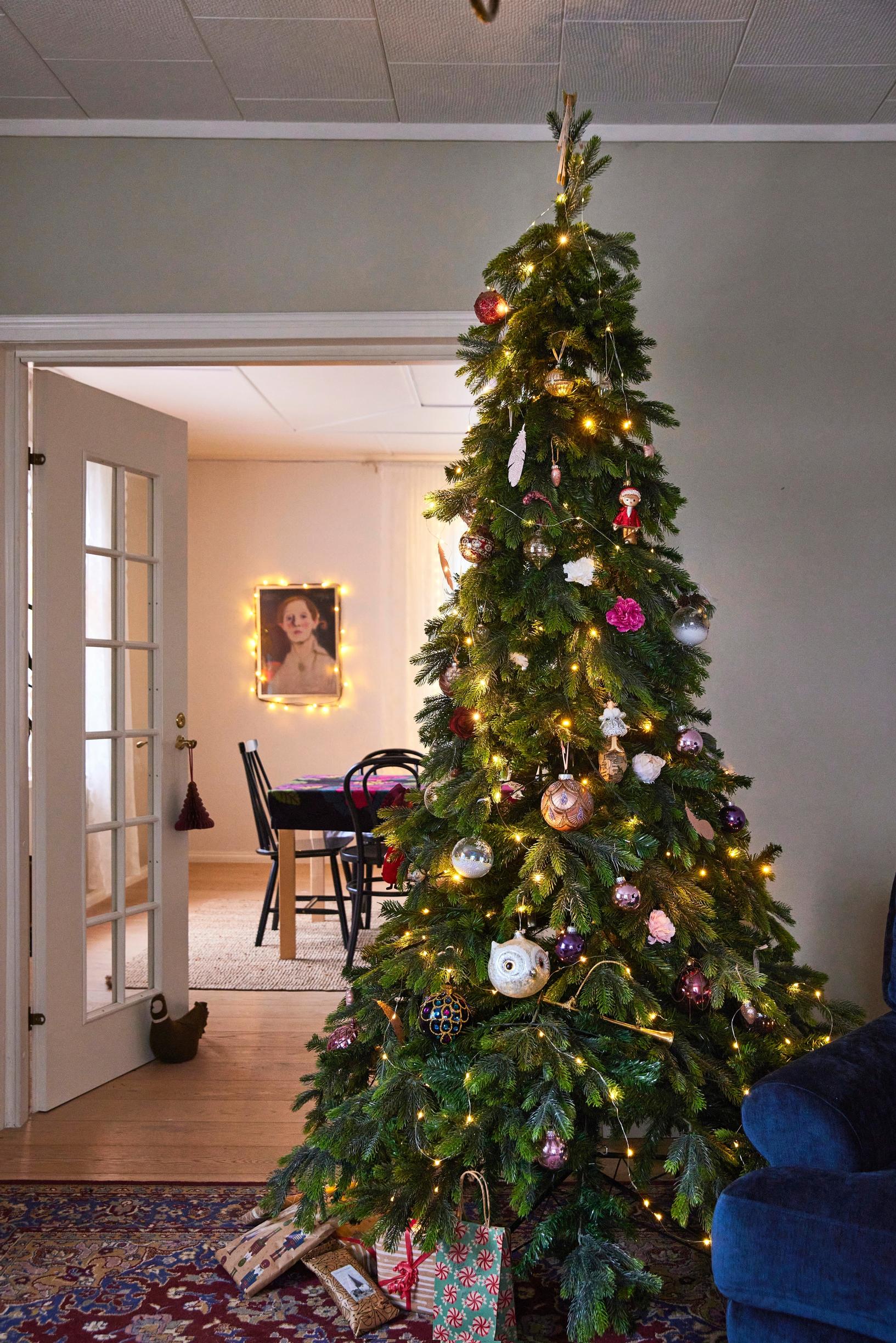
Choosing a tree, like selecting holiday gifts and foods, ultimately comes down to knowing yourself. Get only what you need, don’t produce extra waste for the landfill. I also realize many people must opt for a plastic tree because of allergies or asthma.
In Finland, nearly one and a half million Christmas trees are decorated each year. One of them stands exactly where my spouse decided it would when we first toured the house. The tree covers part of the television, but no show could ever beat gazing at those glowing lights on a dark winter evening.