

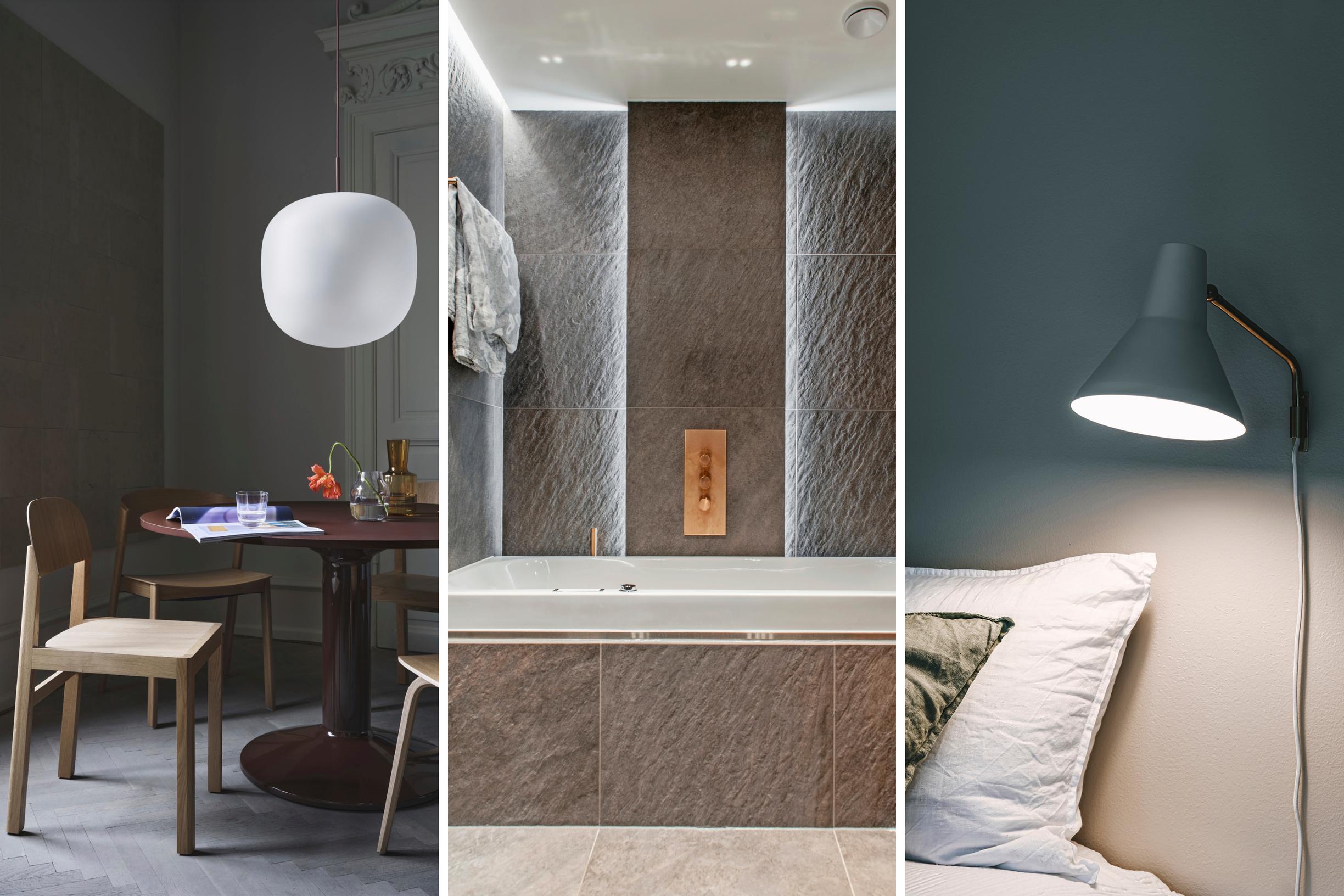
See your home in a better light: 8 pro tips for a more functional, inviting space
When your lighting is a little off—and it often is—both comfort and daily life suffer. Discover expert tips to easily enhance your lighting and incorporate them into your interior design so your home looks better than ever.
Lighting is often the part of a home that gets the least attention—even though it’s a key factor in making a space feel welcoming or stark. With the right techniques, you can transform the ambience and show off your home’s best features without a major renovation.
We’ve put together eight practical tips to help you achieve lighting that’s both functional and pleasant.
1. Identify weak spots in your lighting
If your home feels stark, it’s often due to the lighting. One ceiling lamp isn’t enough, no matter how powerful it is. The room can easily stay dim, leaving the atmosphere feeling flat. A common professional rule of thumb is 5–7 light points per room, or even more in large spaces.
Cozy lighting arises from balancing light and shadow. If every corner is equally bright, the room loses its depth. A directed beam can highlight a painting, bookshelf, or lovely surface—and leave less appealing areas in the dark. This instantly creates a more dynamic space.
Begin by walking through each room to spot areas with too little or too much light. If your reading nook is shadowy or your entryway feels gloomy, you’ve found your first improvements. This method helps you consider the room from a lighting perspective, not just a furniture perspective.

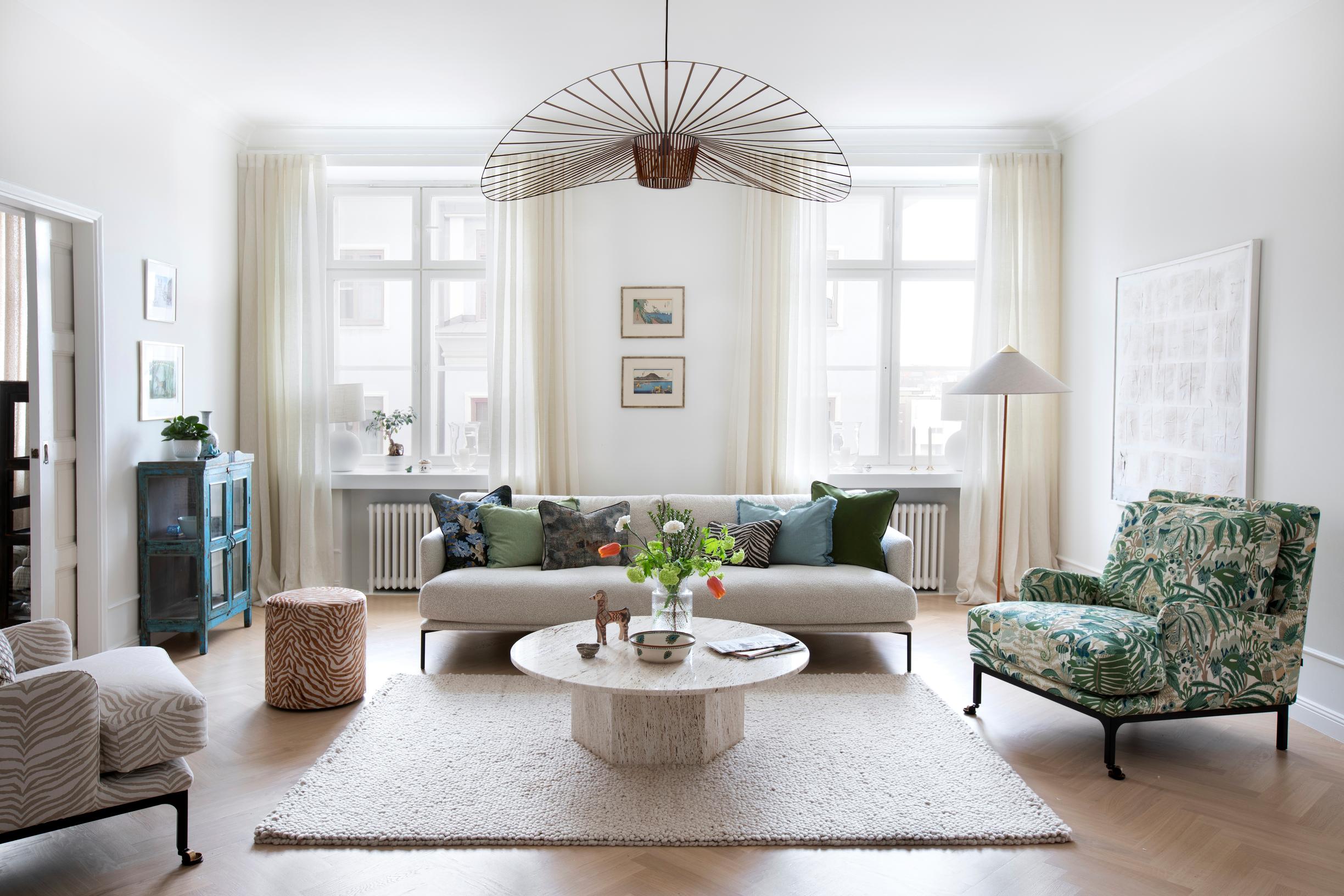
2. Don’t buy a lamp just for its looks
Many people choose a lamp as though it were purely decorative, focusing mainly on appearance. A pro thinks otherwise—a lamp isn’t just an ornament; it has to cast the right type of light. There’s a big difference between direct, indirect, and diffused light.
Direct lighting is crucial for reading, working, or cooking. Diffused light spreads softly, creating a cozy mood. Indirect lighting bounces off the walls or ceiling to illuminate the space without glare. In a well-balanced setup, these three forms of light complement each other.

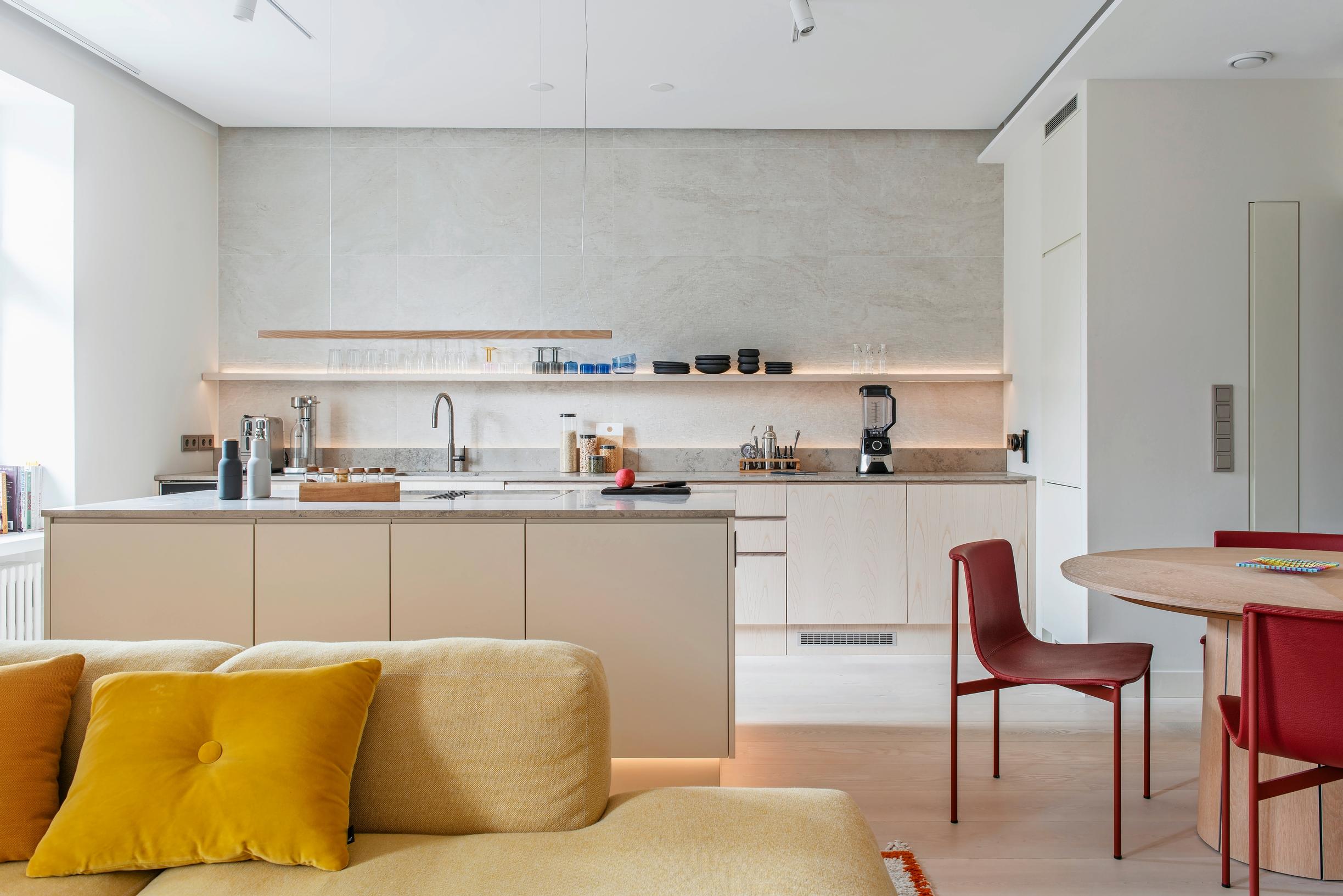
3. Test it out first
In a brightly lit store, it’s tough to judge how much light one lamp will provide, so don’t decide based only on looks or a quick glance.
Check how the light travels: is the lamp open at the bottom, top, or sides? A fixture that directs light only downward may work well above your dining table but won’t illuminate the entire room. If the shade also allows light to escape upwards and sideways, it brightens a much larger area.
It’s helpful to search for images showing the same lamp in a decorated setting: you’ll quickly see the shadows and beams it creates. If possible, try it at home or, in the store, ask staff to dim or switch off surrounding lights for a moment. That way, you’ll get a more realistic sense of how it will look in your own home.

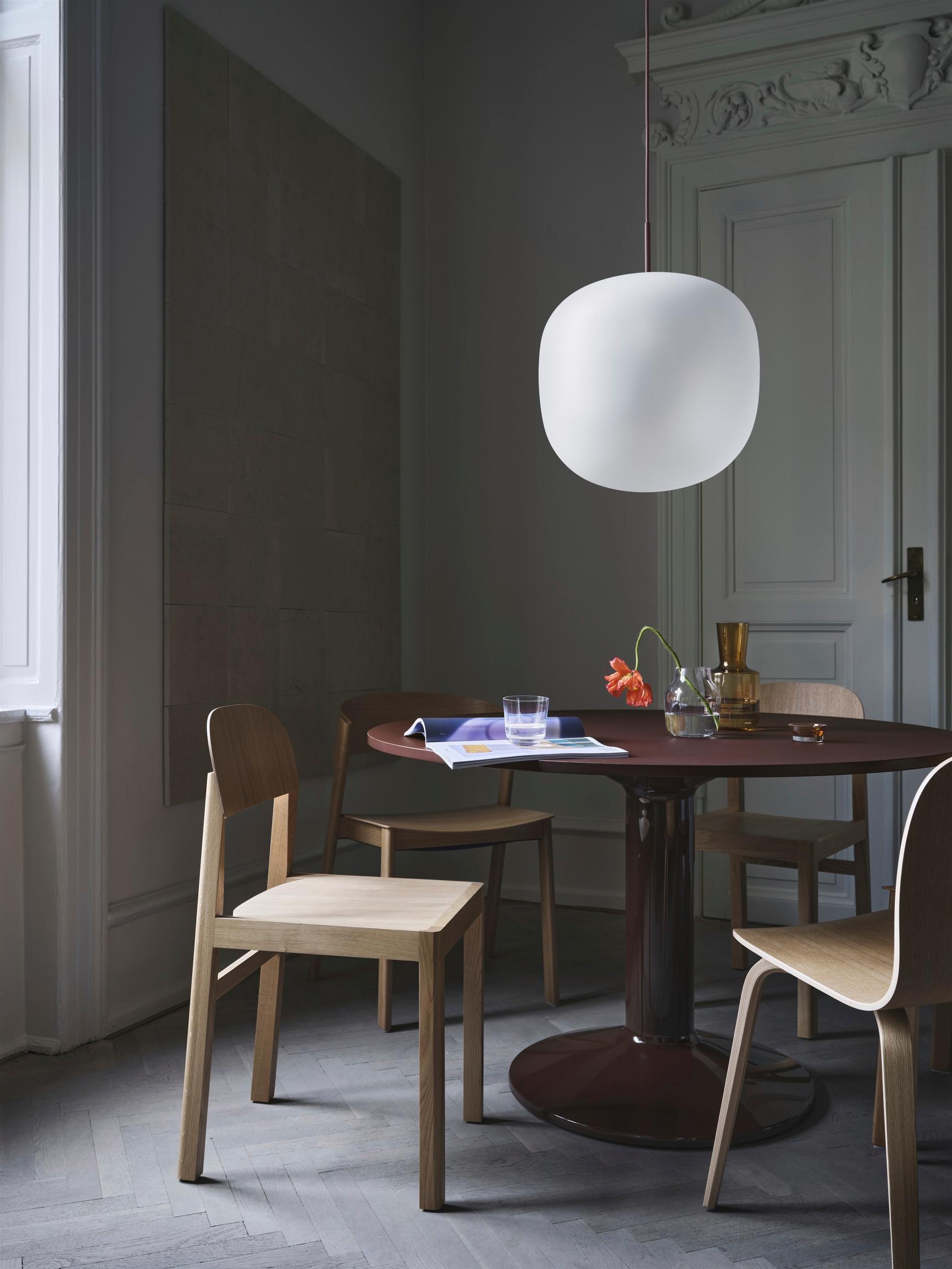
4. Resist choosing lamps one by one
Your lighting setup likely won’t be great if you’ve purchased lamps randomly over time. A bright ceiling lamp, one floor lamp in a corner, and a small desk lamp might not offer balanced illumination if they weren’t planned holistically. You could end up with some spots that are overly bright and others that are too dark.
A better strategy is to consider the entire room at once. Where do you need bright light, and where do you want a soft glow? When every purpose has its own source of light, the space is comfortable no matter the time of day or year.
It’s also important to maintain a cohesive look. Your lamps don’t all have to match, but they should share a sense of style, color, or scale. This cohesive approach looks intentional rather than haphazard.

5. The room’s proportions are key
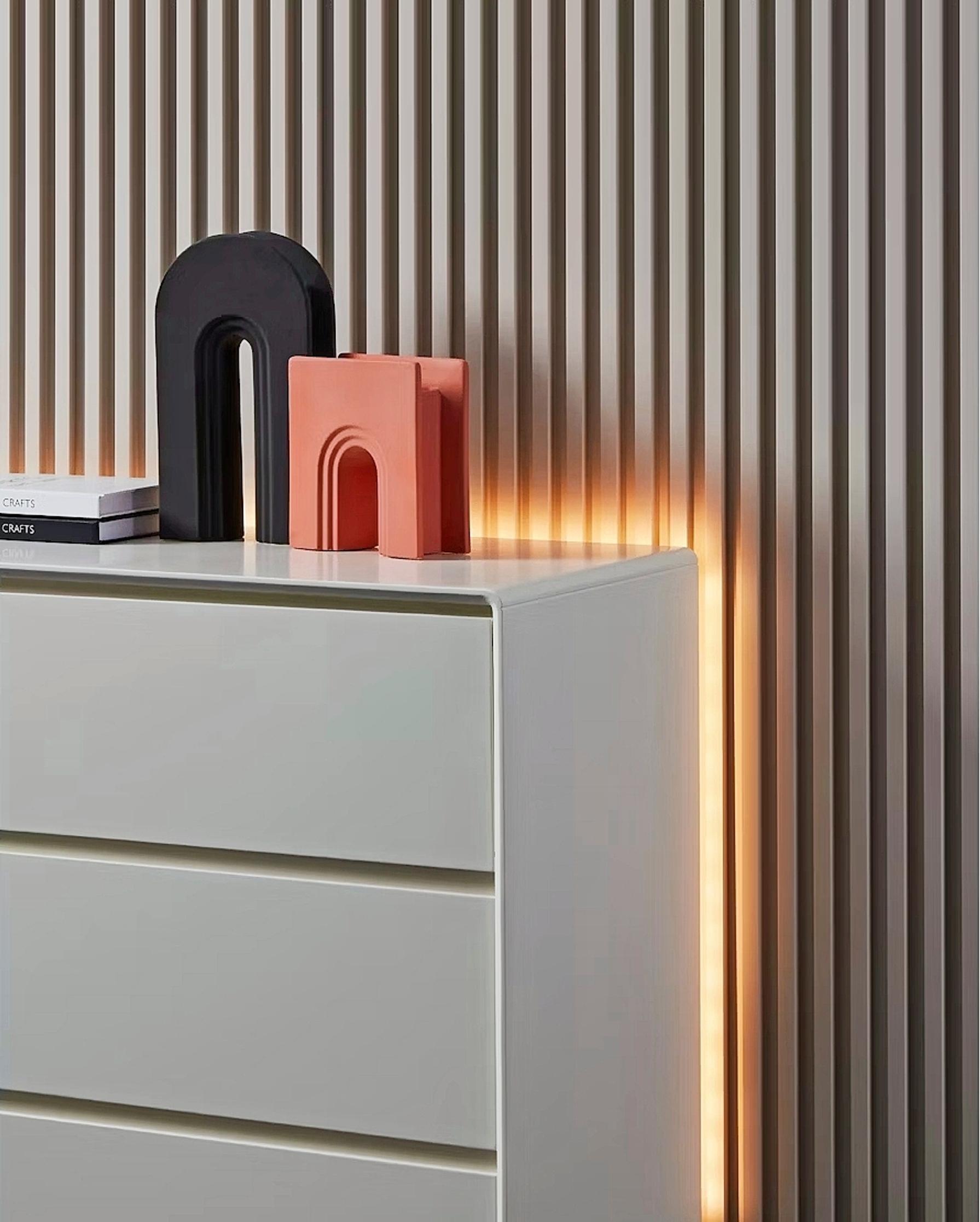
Never pick a lamp without examining the space it will occupy. Start with the room’s size, shape, and ceiling height. A lamp that’s too small disappears, while one that’s too large feels awkward and might even get in the way.
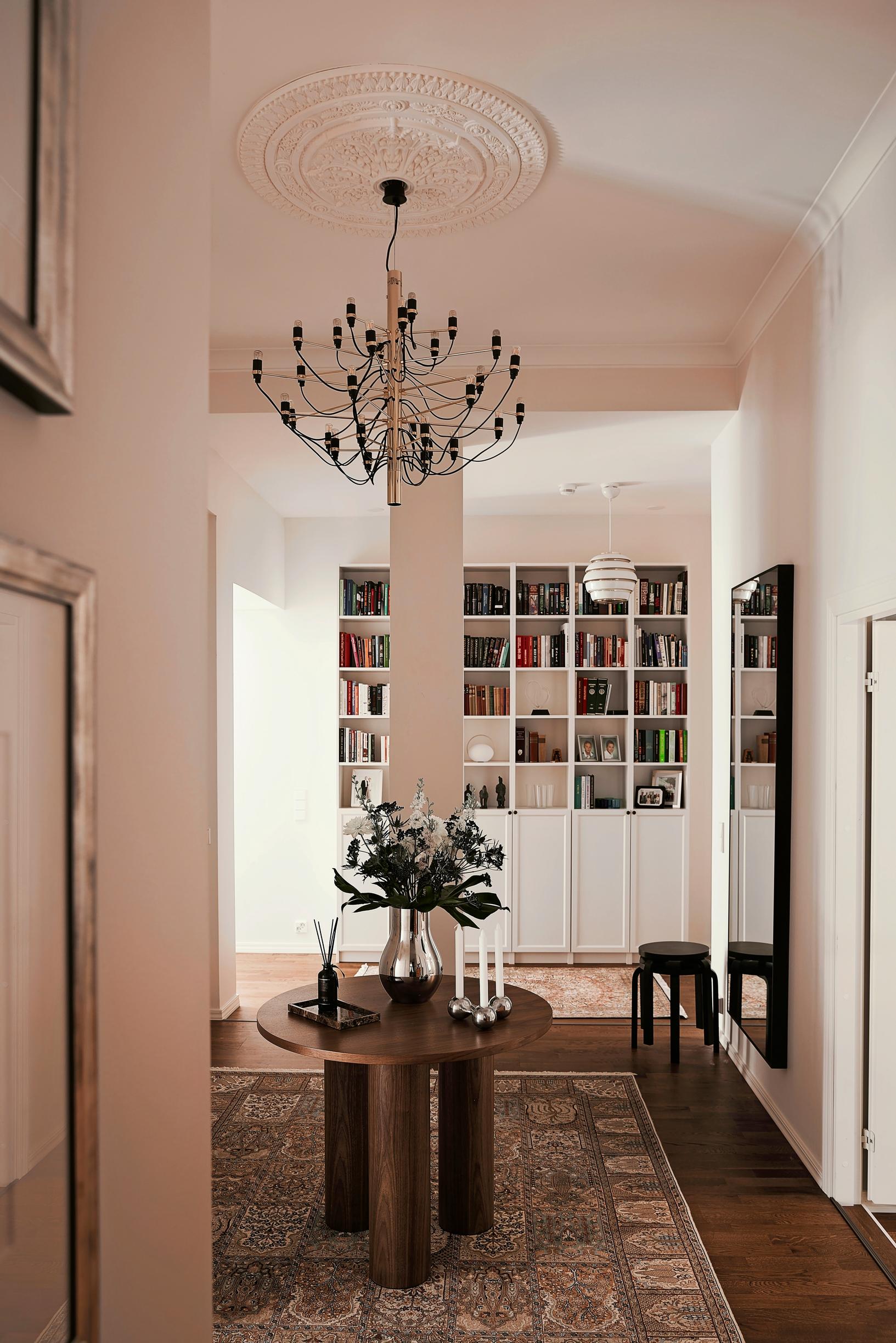
If the ceiling is high, a pendant light is often a good solution. In a room with a low ceiling, a flush-mounted fixture might be ideal since it won’t intrude on the space or impede movement. A long, narrow hallway generally needs multiple light sources in order to spread illumination evenly.
A chandelier or large pendant can emphasize a room’s openness, as long as it’s hung at a suitable height so it doesn’t cause glare or block traffic paths. A well-scaled fixture respects the room’s proportions and maintains a balanced look.


6. The shade directs the light
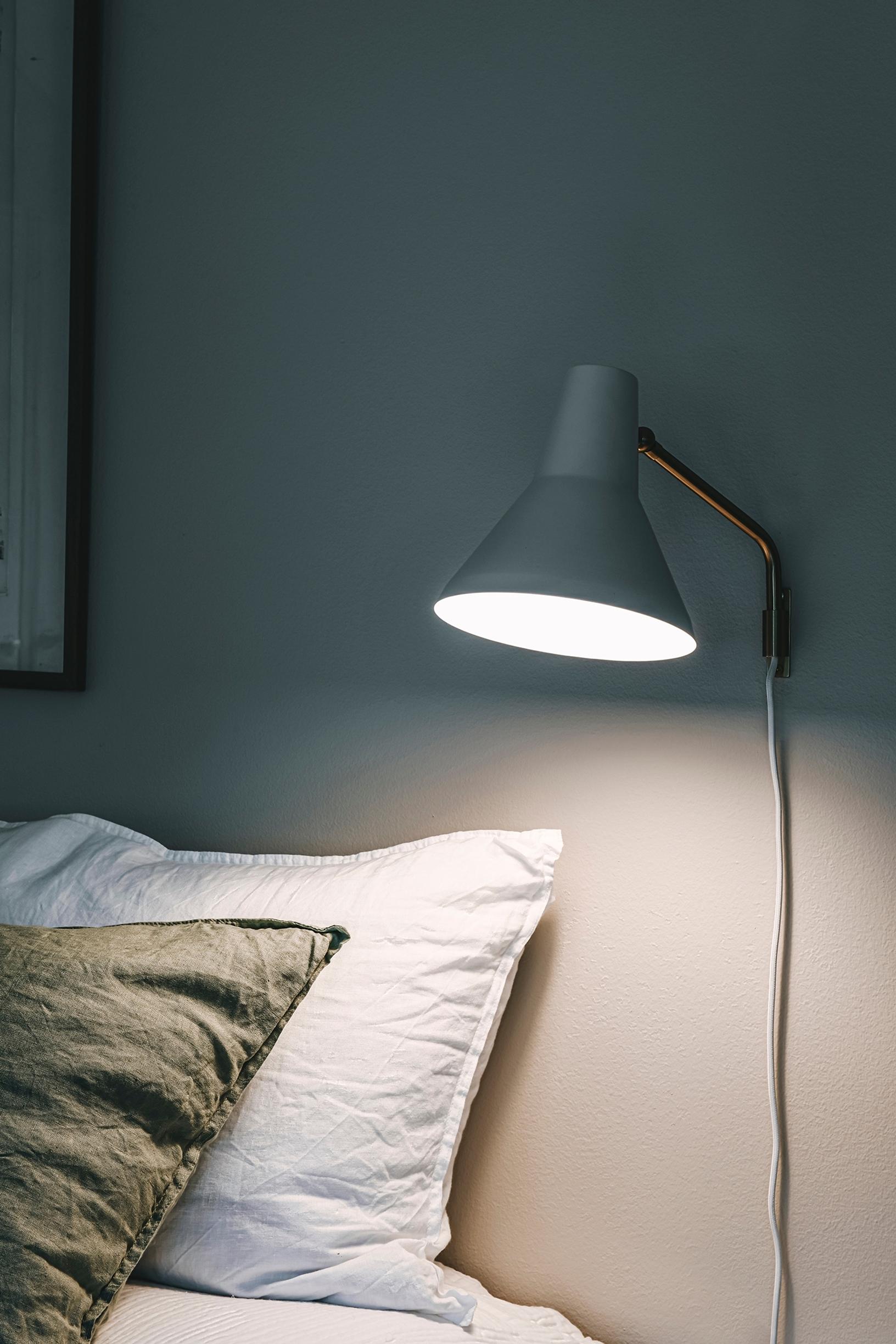
A shade is not just decorative—it determines how the lamp shines. A dark shade allows only a bit of light through and usually directs it downward, creating a focused, intimate glow. A pale or translucent shade, on the other hand, diffuses and broadens the light.
Material also plays a role. Opal glass or fabric diffuses light and reduces glare, whereas clear glass transmits light directly and can feel harsh. A perforated or decorated shade casts intriguing patterns onto walls and ceilings.
Shape likewise matters: a narrow shade focuses light directly downward, while a wider one scatters it more broadly.

7. How to avoid glare
Glare is a common lighting pitfall, but you can prevent it by selecting the right fixture and placing it carefully.
A good height for a dining table lamp is about 55 to 65 centimeters from the tabletop to the bottom of the fixture. This spreads light across the table without shining directly in anyone’s eyes. If your table isn’t in the center of the room, position the lamp over the table rather than the room’s midpoint. For a long table, use multiple lamps: one large fixture typically won’t reach all diners.
For desk or reading lights, the shade is crucial. A translucent material softens the glow, while an exposed bulb can cause squinting. An adjustable arm or shade helps direct light right where you need it without the bulb glaring into your eyes.
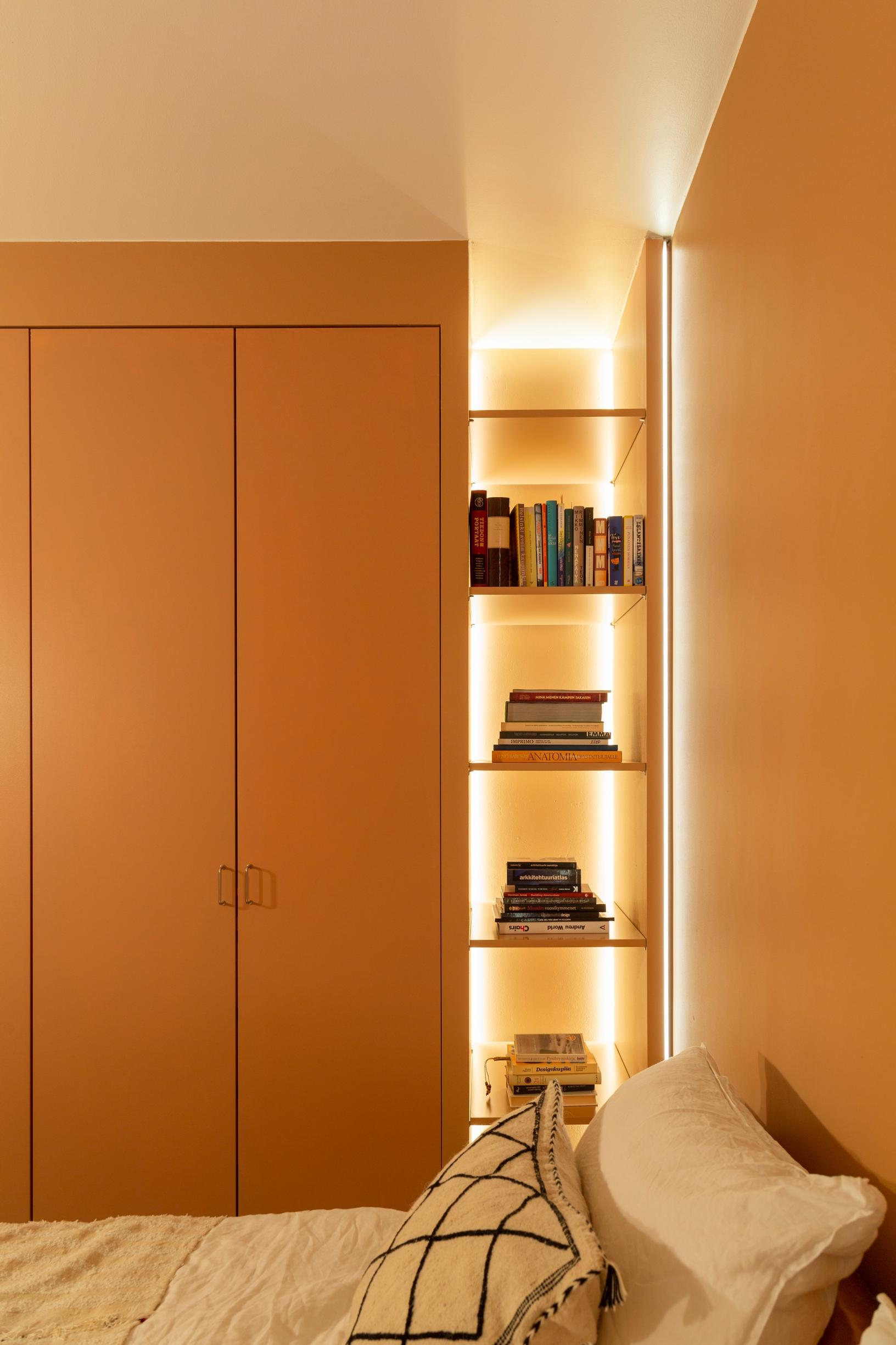
Indirect lighting is also extremely effective. When you aim the light at a wall or ceiling, it reflects softly into the space instead of shining straight at you.
A simple rule for reducing glare: the less you see the bare bulb, the gentler the light feels.

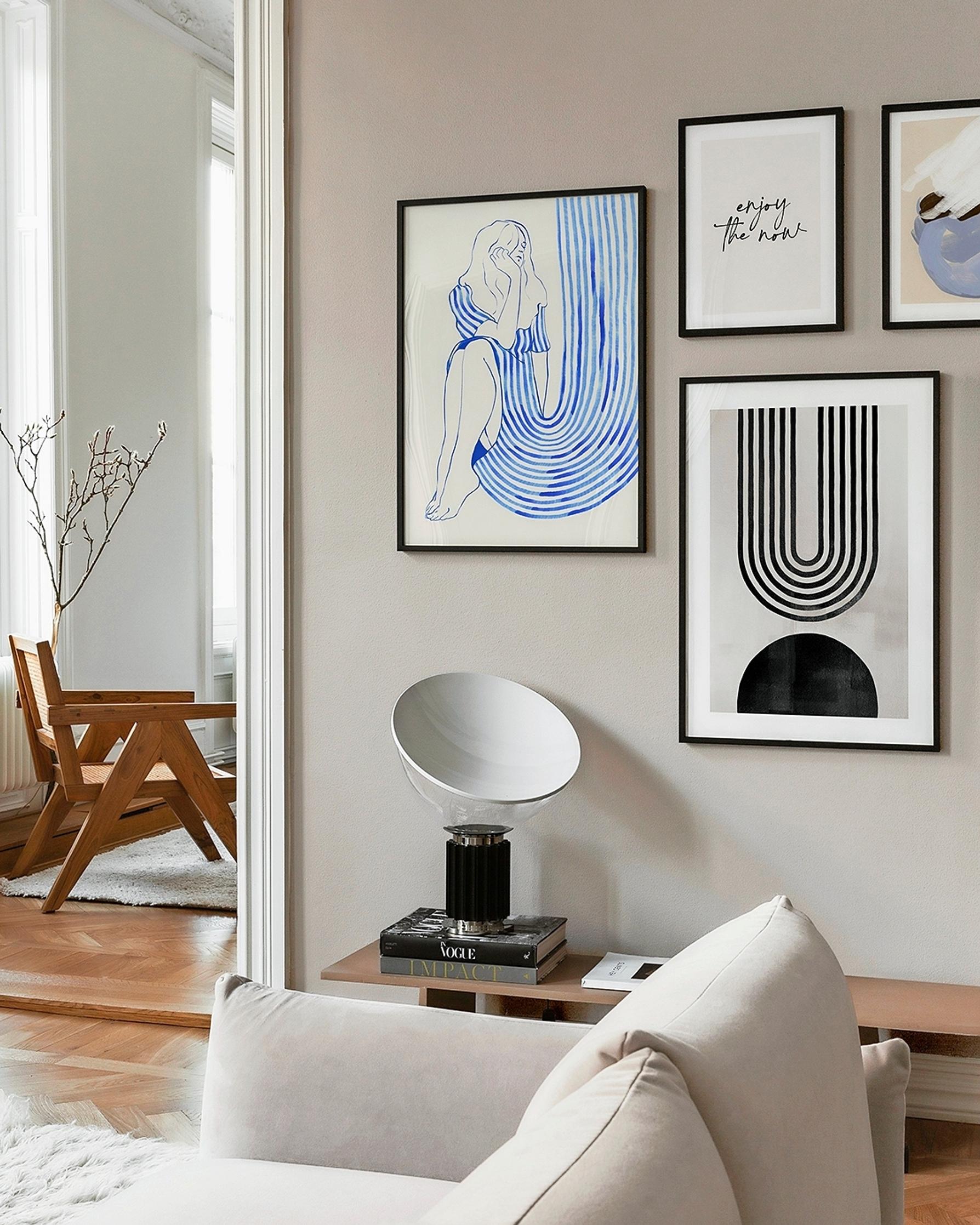
8. Light your art the right way
Proper lighting helps artwork come alive. A common mistake is illuminating it straight on, especially when it’s behind glass, which can cause reflections and make the image hard to see.
A better option is angling the light from the top corner or side. This highlights colors and details without frustrating reflections. Also allow enough space: keep the light source at least about a meter (3.3’) away so the illumination spreads evenly.
Your choice of bulb also matters. Aim for a color-rendering (Ra) value of at least 90 to keep colors authentic. Likewise, color temperature is important: warm white (2,700–3,000 K) brings out softer tones, while a neutral white (3,000–4,000 K) draws out details more clearly.

Source: Frida Ramstedt, The Interior Design Handbook, (2020).

