


The hottest vintage and retro picks in Finland: top experts weigh in
“Several styles and decades are trending at once.” Are Finns hunting for 1970s pine furniture or 1980s chrome chairs right now? Check out which vintage styles are on the rise and which are on the decline!

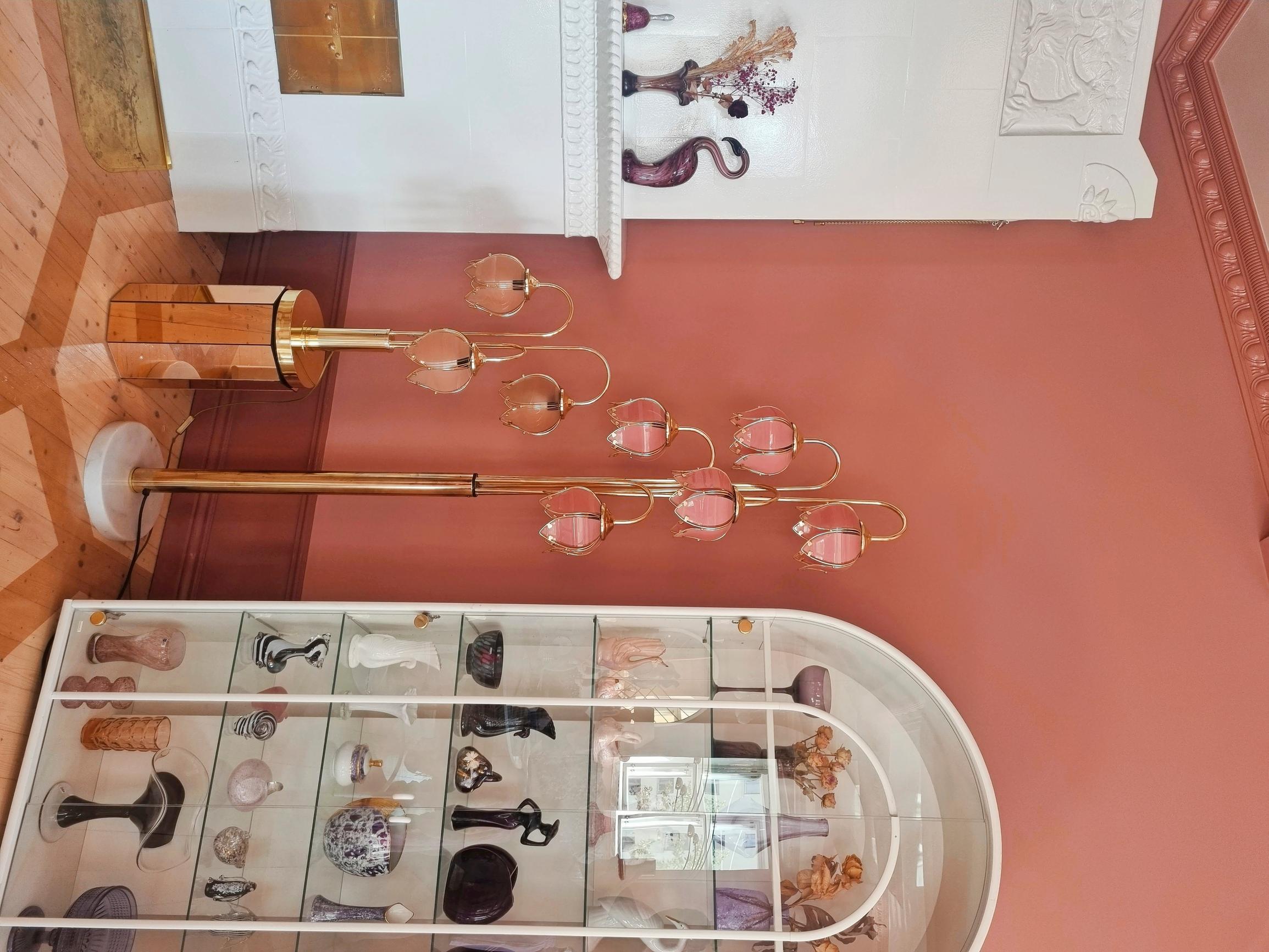
Vintage and secondhand items have become mainstream in Finland in the 2020s: more than one million Finns buy and sell their belongings on the online marketplace Tori, people pick up practical items at flea markets, and the newest vintage shops could pass for stylish brand stores or art galleries.
“For a long time, survey respondents said they wanted to choose secondhand goods over new, yet they still bought new items. Now our data shows that secondhand shopping is on the rise, and values and actions are finally lining up. Tori has more than a million users who each make at least one transaction per year. There are always around two and a half million items for sale, about 400,000 of which are home décor. Supply and sales volumes grow year by year,” says Tori’s Director Jenni Tuomisto.
Tori, built on peer-to-peer transactions, is Finland’s largest marketplace for secondhand goods in terms of volume, but it’s not the only one. There are a striking number of channels for selling vintage, and the business has become multichannel.
New online stores have emerged in the field, many brick-and-mortar shops also sell online, and individuals trade with each other on social platforms. For instance, on Facebook, items change hands within a neighborhood group or in groups dedicated to a specific product category or manufacturer.
“In the 2020s, much of secondhand trading has shifted to online platforms, especially for smaller items,” Tuomisto says.
But brick-and-mortar shops haven’t disappeared. You can find vintage at self-service and charity flea markets, recycling centers, specialized stores, and popular sales events like fairs, markets, and rummage sales. The most expensive rarities still go to auction.

From junkyard to boutique
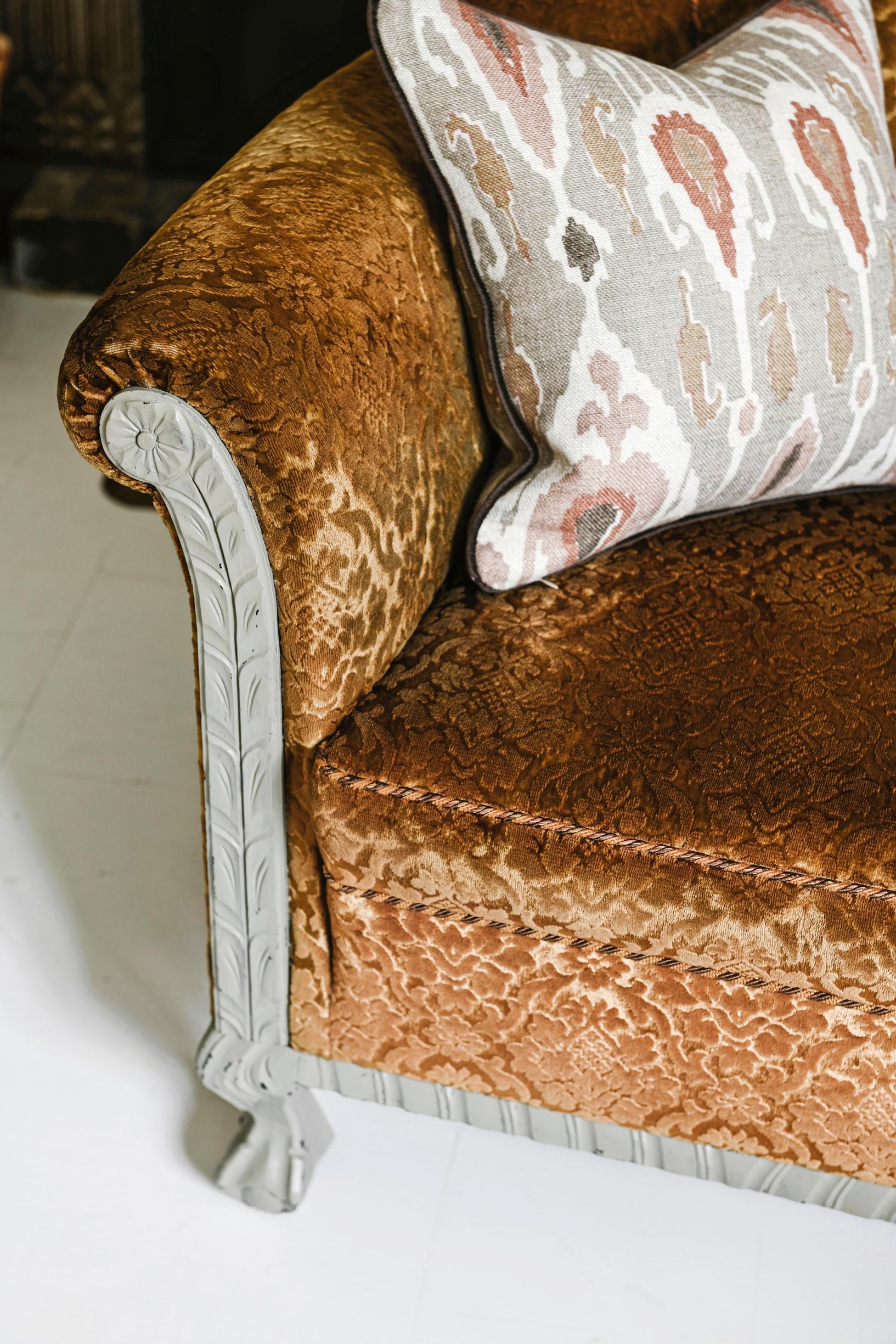
In Karjaa, a town of about 8,000 residents, there’s a minimalist-looking market building on the pedestrian street in the center. It now houses Måll, a “vintage megamarket” of nearly 1,000 square meters (about 10,764 ft².) Two businesses operate under its roof: Kimmo Pohjapelto’s furniture-focused Roomage and Stella Harasek’s home goods–specialized Fruit Market. Both stores sell carefully curated vintage, and the broad selection will have you itching to dig in. The space also features a café and an art exhibit. No wonder Måll attracts visitors from far away.
Måll demonstrates the direction that vintage shops are taking. Secondhand stores—and even charity flea markets—are beginning to resemble branded boutiques, where items are sorted and showcased in a cohesive, appealing way. Shopping is made easy and enjoyable. These revamped vintage stores bring in new groups of customers.
“People now come vintage shopping with a list in hand, including those who used to shop at department stores or interior design shops. They’re on the hunt for high-quality everyday items,” Harasek says.
You no longer need to search for vintage treasures in cramped, musty shops stuffed floor-to-ceiling with both pristine and broken goods. On the other hand, many people love rummaging around and stumbling upon all sorts of surprising finds.
Shops like Måll have a key selling point in their curation. They choose items so that only intact and top-quality pieces from their respective eras are offered. There’s plenty of high-end 1950–70s design, and on top of that, the owners pick out special finds and rarities. The idea is to wow their customers.

Many styles at once
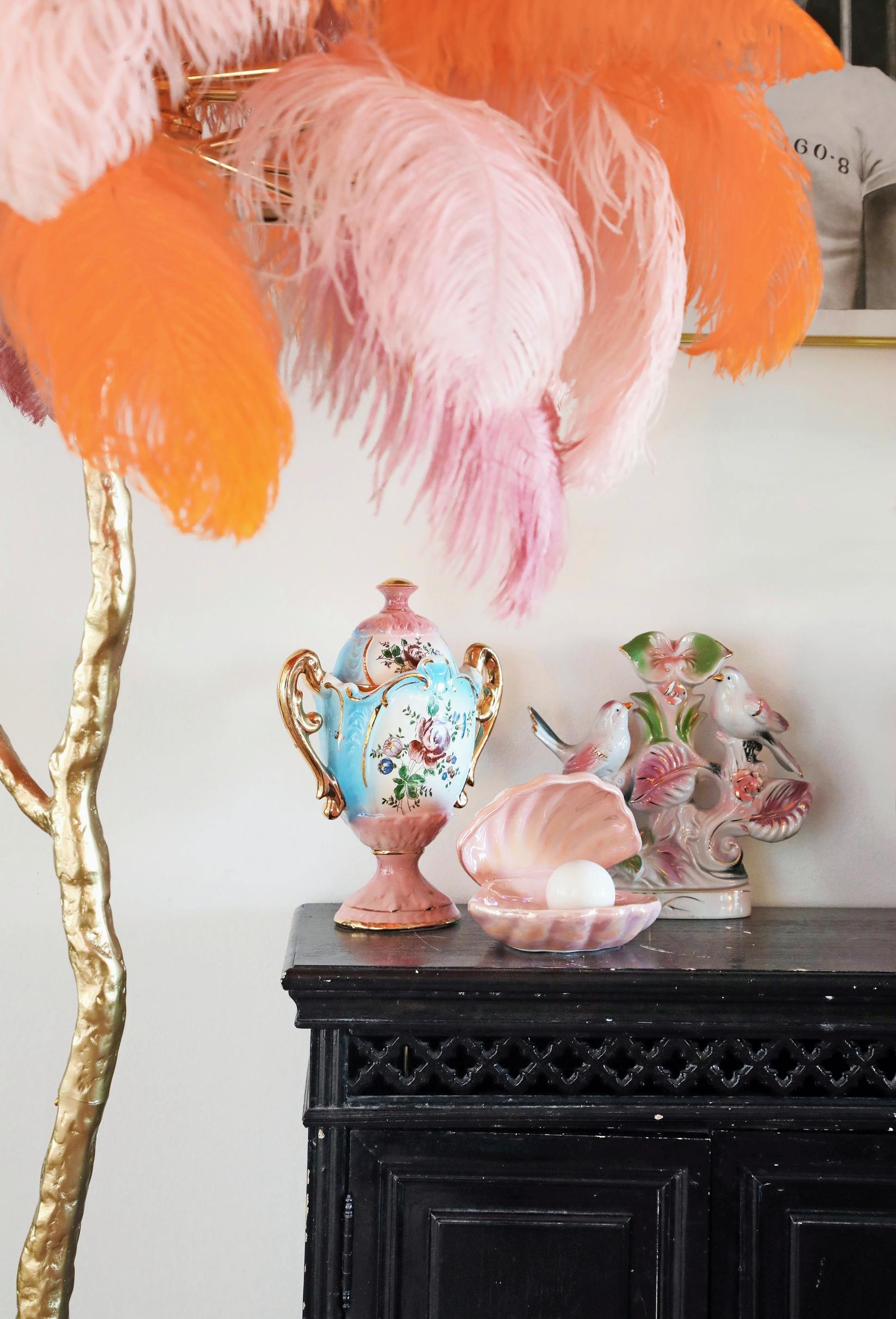
Aside from vintage shops, tastes are shifting as well. In the past, it was common to focus on one era or style in your purchases, but now styles are blended.
“For a long time, the core of vintage has been modern design from the 1950s through the ’70s. It’s extremely popular, and for good reason—items from that era offer top-notch quality and design that stand the test of time,” says Stella Harasek.
“Meanwhile, items with a more ornate style from the interwar period are gaining popularity, along with 1980s–90s pieces and even those from the early 2000s. Several styles and decades are trending at once,” adds Kimmo Pohjapelto.
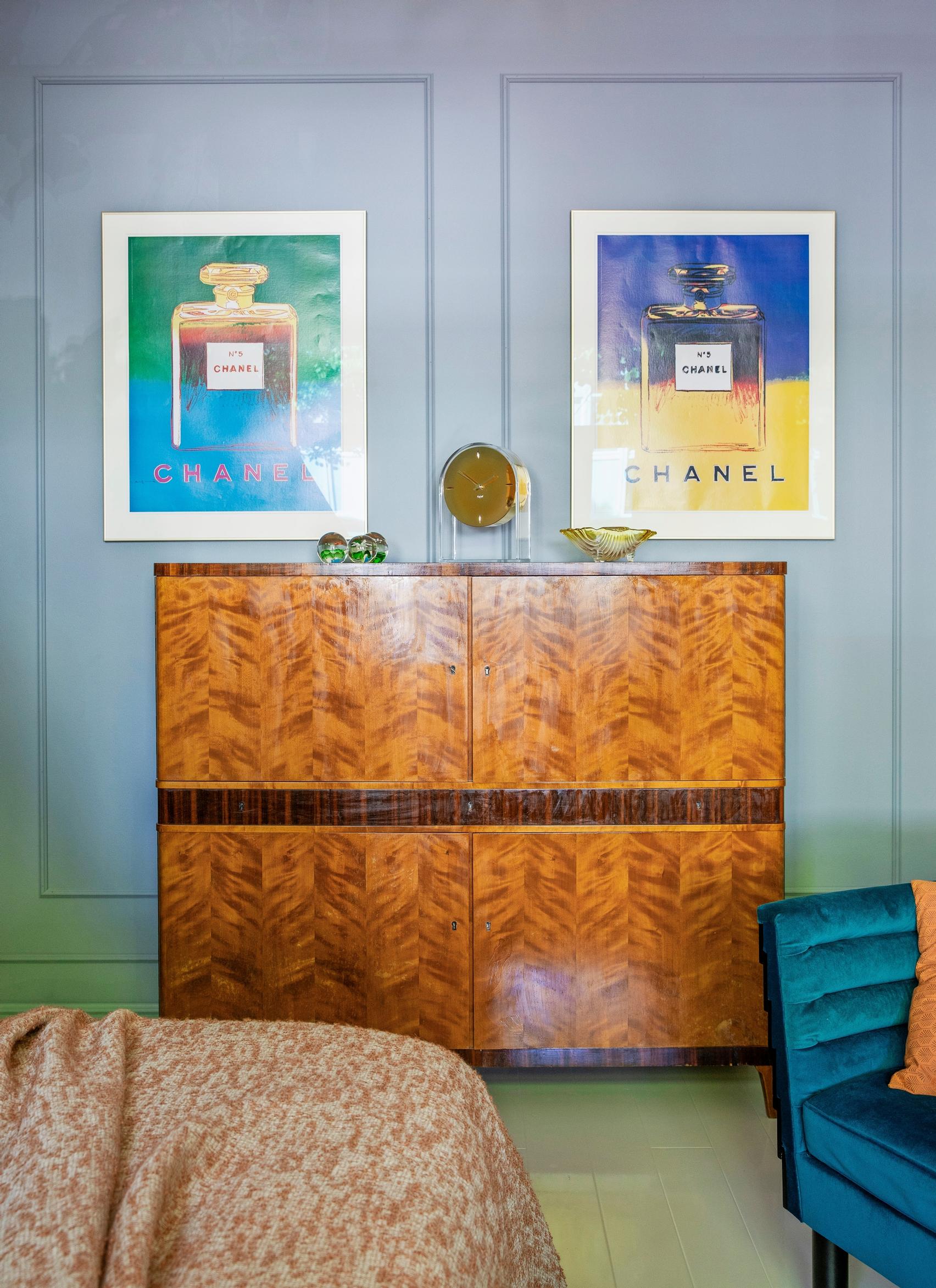
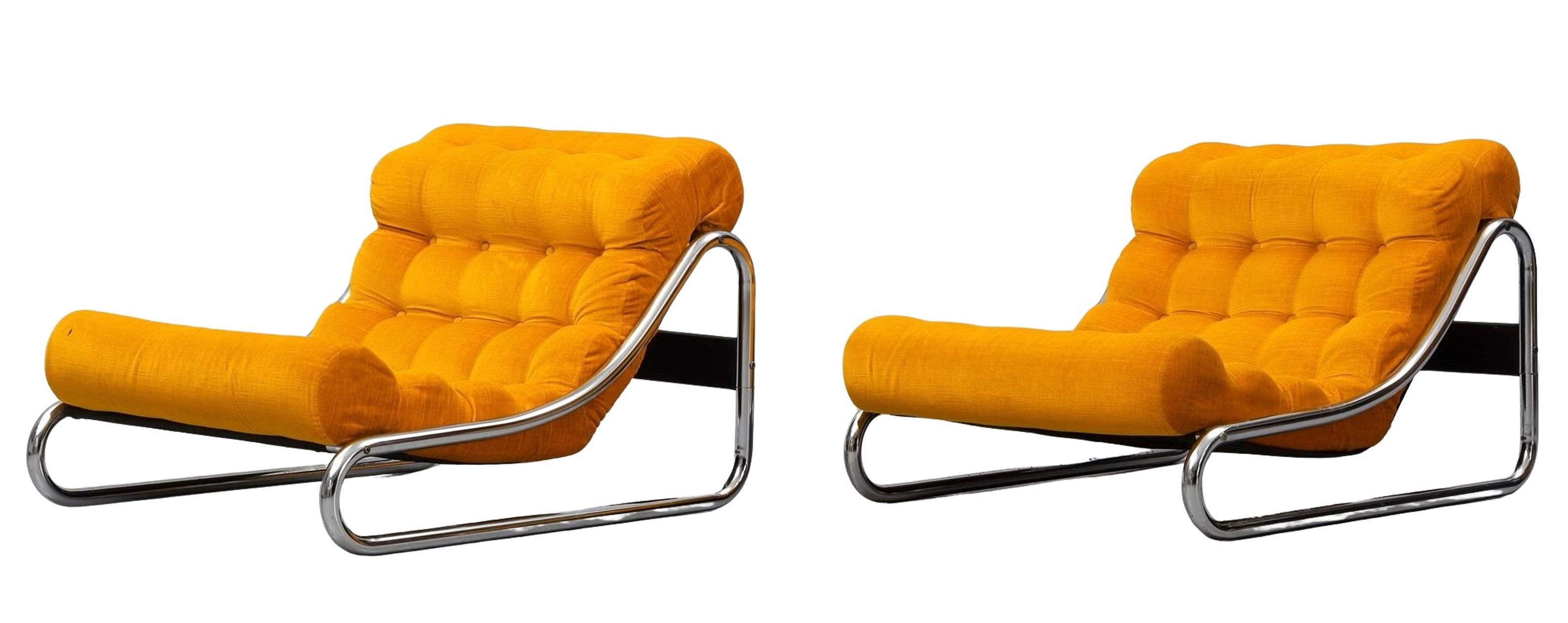
Some people gravitate toward the earthy, substantial furniture and dishware of the 1970s, while others adore the postmodern, colorful, and playful items from the 1980s. There’s demand for what is considered the decorative look of the 1920s and ’30s, or even for 1990s chromed tubular furniture. The meaning of “vintage” has widened; it no longer refers to just a single style.

A modern twist or over the top
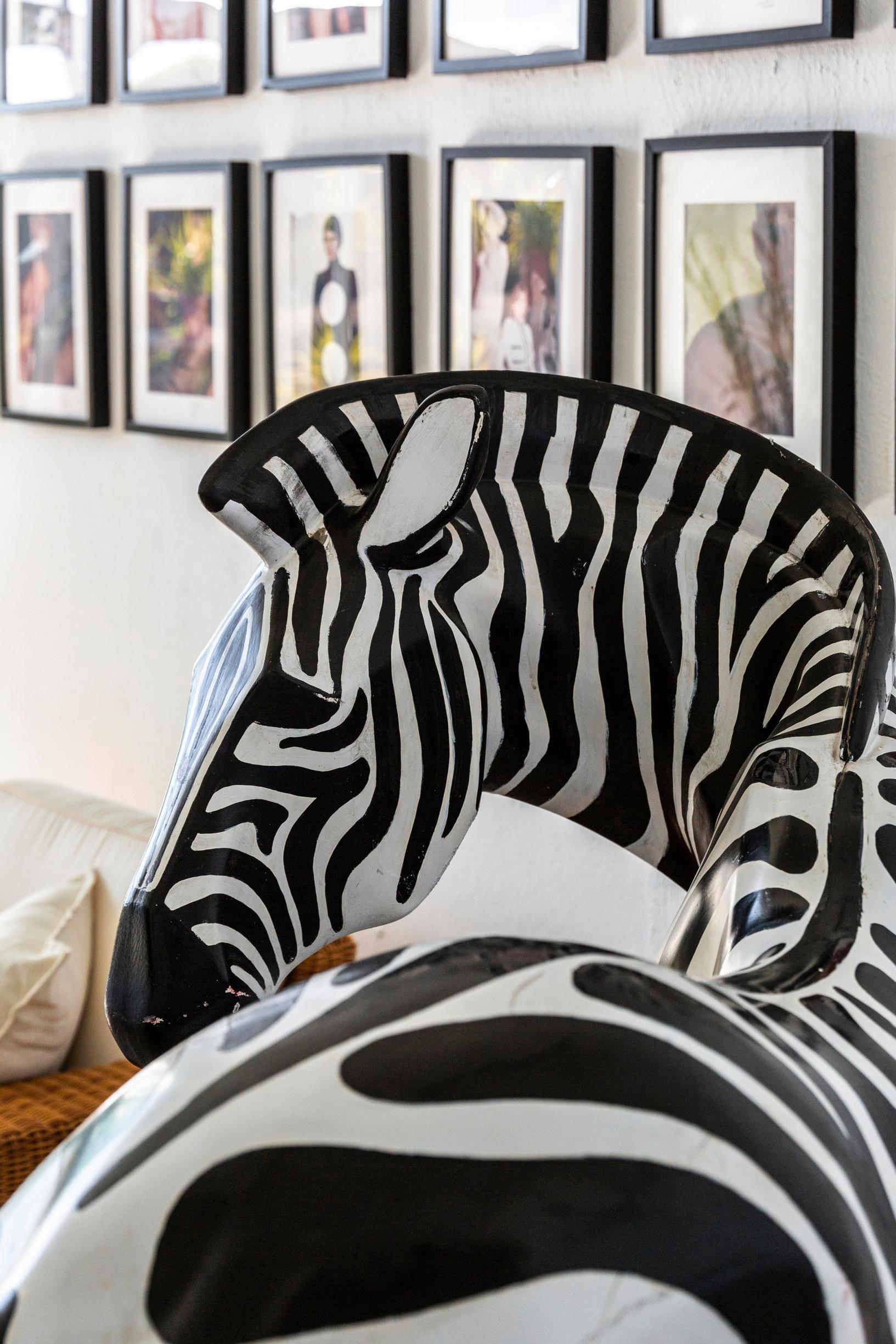
In Viiskulma, located in Helsinki’s Punavuori district, there’s a small vintage store called Mendera. In its gallery-like space, there’s no sign of the traditional Finnish design treasures. Instead, you’ll see colorful, oddly fascinating pieces: mushroom-shaped lamps, a jam jar shaped like an apple, shell-inspired serving dishes, and in the middle of the room, a blocky stone-based glass table by Magnussen Ponte.
Mendera is one of those vintage shops with a tightly curated selection shaped by the owner’s personality. Customers come for the unique finds curated by Melina Lindroos, who handpicks her special items.
“People buy distinctive vintage pieces to add flavor to a modern interior. They look for individuality, color, surprises, luxurious materials, and a sense of soul that new products today don’t necessarily have. It’s perfectly fine if something is fun or a bit odd. This era of interior design, like fashion, is very permissive,” Lindroos says.
“Especially people in their late 20s and 30s make their choices based on visual appeal. As long as they feel the object is ‘their thing’ and it brings joy, they don’t worry about base stamps, designer names, or whether it’s a rarity.”
Are there any product categories or object types that get extra attention?
“People put effort into table settings. They want to set the table beautifully, for example with unique dishes and striking items that can be even a bit extravagantly high-class. Chrome and dark wood are particularly popular. There’s also interest in pine furniture, burl wood pieces, and even old Ikea furniture. When autumn and winter come, people want atmospheric lighting—hand-blown Murano lamps, for instance, are very much in demand.”


Brand names carry weight online
While specialty vintage shops draw customers with rare gems, brand reputation is a key selling point online. People trust familiar brands they perceive as reliable when shopping on the internet. For instance, Artek, Marimekko, Lundia, Iittala, Hay, Pentik, String, and Hakola are among Tori’s most searched names, year after year.
“A recognizable manufacturer name works as a guarantee of quality and a way to stand out online. When several similar products are up for sale, people tend to pick the best-known, established brand,” explains Tori’s Jenni Tuomisto.
Besides brand names, Tori users also search by interior style. For example, “country romantic” and “vintage” are popular keywords. Trending materials, such as rattan, teak, and brass, also appear frequently in searches.
Sometimes surprisingly niche items become popular. In the last six months, glass-domed flower lamps known as tulip or lotus lamps, crystal chandeliers, ryijy rugs, rag rugs, and Tiffany lamps have all been gaining ground.
“With more people than ever buying vintage, there's demand for a huge variety of items,” Tuomisto points out.

Seller’s nightmare
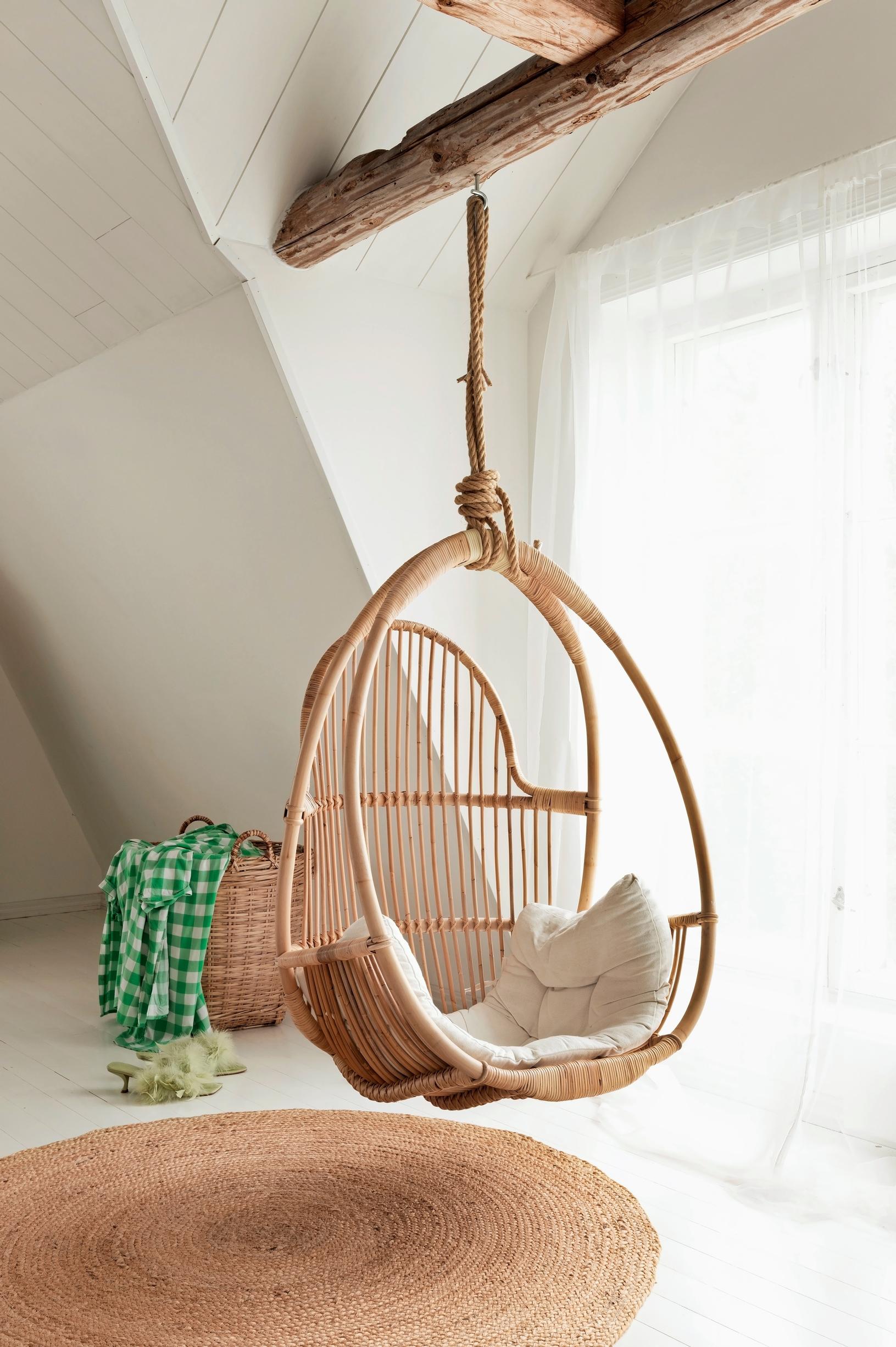
Are there items that nobody wants, even if there’s nothing wrong with their quality or condition?
There are indeed undervalued vintage items sold for a pittance. According to Stella Harasek, the solid wood, hand-crafted revival-style furniture made in the 1970s and ’80s doesn’t pique anyone’s interest.
Kimmo Pohjapelto also mentions large bookcases: they, too, go unsold. In online marketplaces, unnamed mass-market items of dubious quality fare poorly. However, most things do eventually sell when the right price is found.
There are more goods in the world than ever before. In Finland, an increasing number of them are reused, thanks to online stores and physical shops. This is likely to become even more common, as the youngest demographics are the most active vintage and secondhand buyers. The challenge is to get people over 50 on board.

On the rise
A list from Stella Harasek and Kimmo Pohjapelto:
• 1950–70s modern design
• 1970s sturdy wooden furniture
• 1920–30s items with ornate lines
• 1980s postmodern pieces
• 1990s chromed tubular furniture
A list from Melina Lindroos:
• Colorful items
• Murano glass lamps
• Dark wooden objects
• Chrome pieces
• Burl wood objects
• Pine furniture
• Old Ikea furniture

A list from Jaana Tuomisto:
• Tulip lamps
• Crystal chandeliers
• Ryijy rugs
• Rag rugs
• Tiffany lamps
• Rattan, teak, and brass
On the decline
• Revival-style 1970s and 1980s furniture
• Large bookcases
• Generic mass-produced items

