Do you own one of the priciest Iittala Festivo candleholders? See which versions are the rarest
The Festivo candleholder by Timo Sarpaneva is a design classic that all others are measured against. According to Sarpaneva’s trusted master glassblower, the classic came about somewhat by chance. Do you know which models are the rarest and most valuable?
Timo Sarpaneva’s glass candleholder Festivo has captivated people since 1966. Its story is full of delightful surprises and happy accidents.
But where did it all begin? Certainly not with the idea that Timo Sarpaneva should design a candleholder that would be produced and sold by the millions.

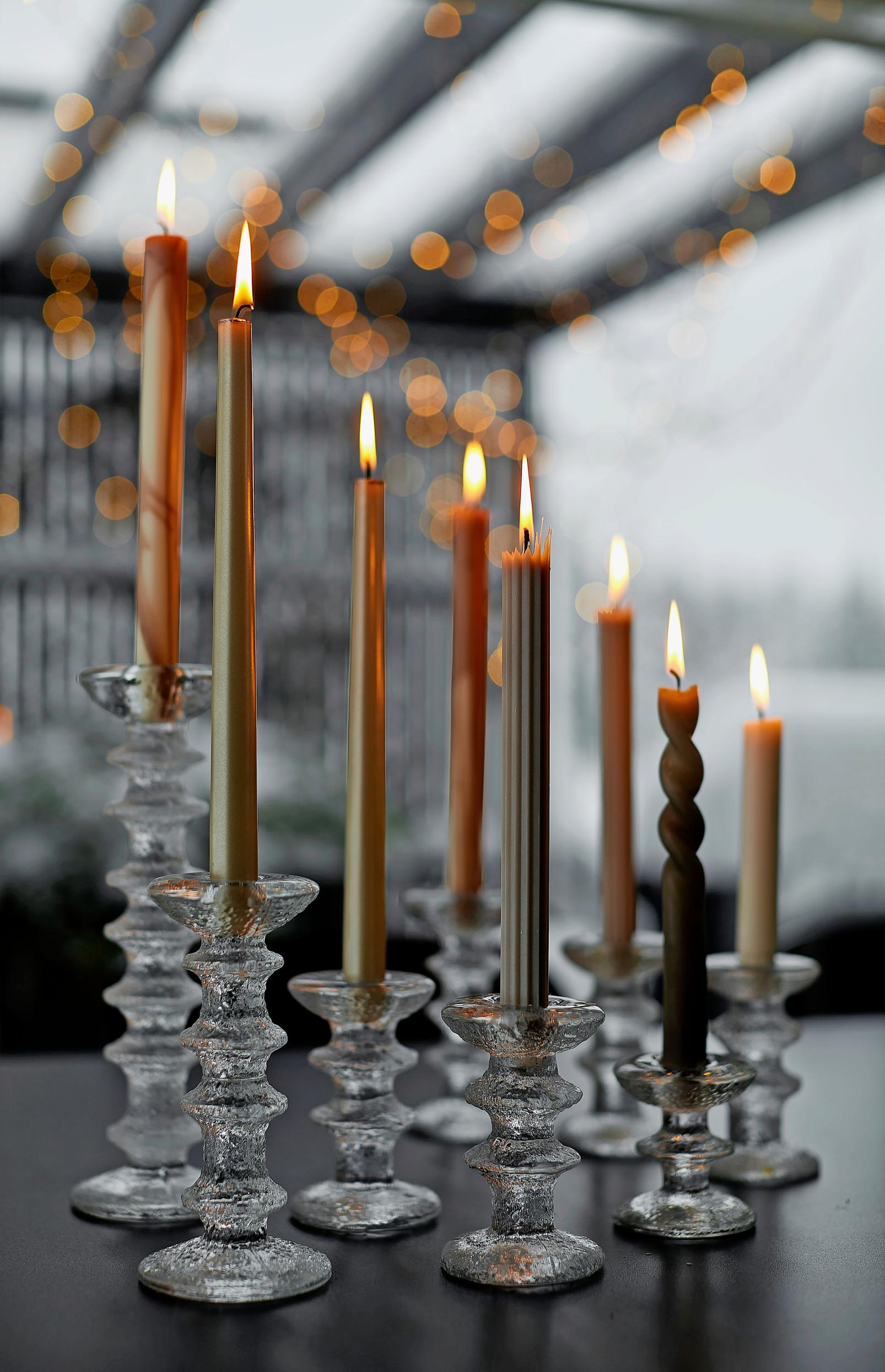
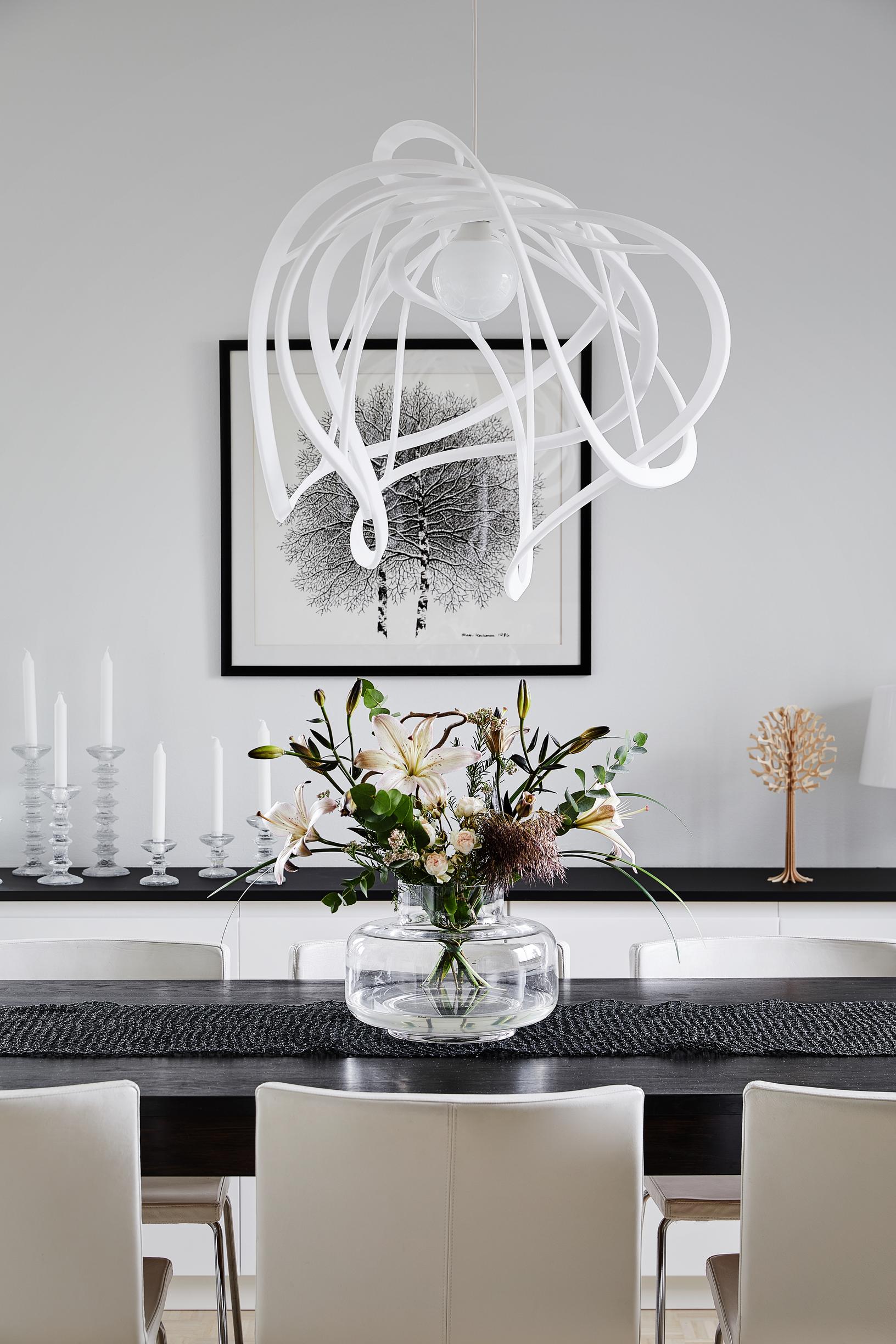
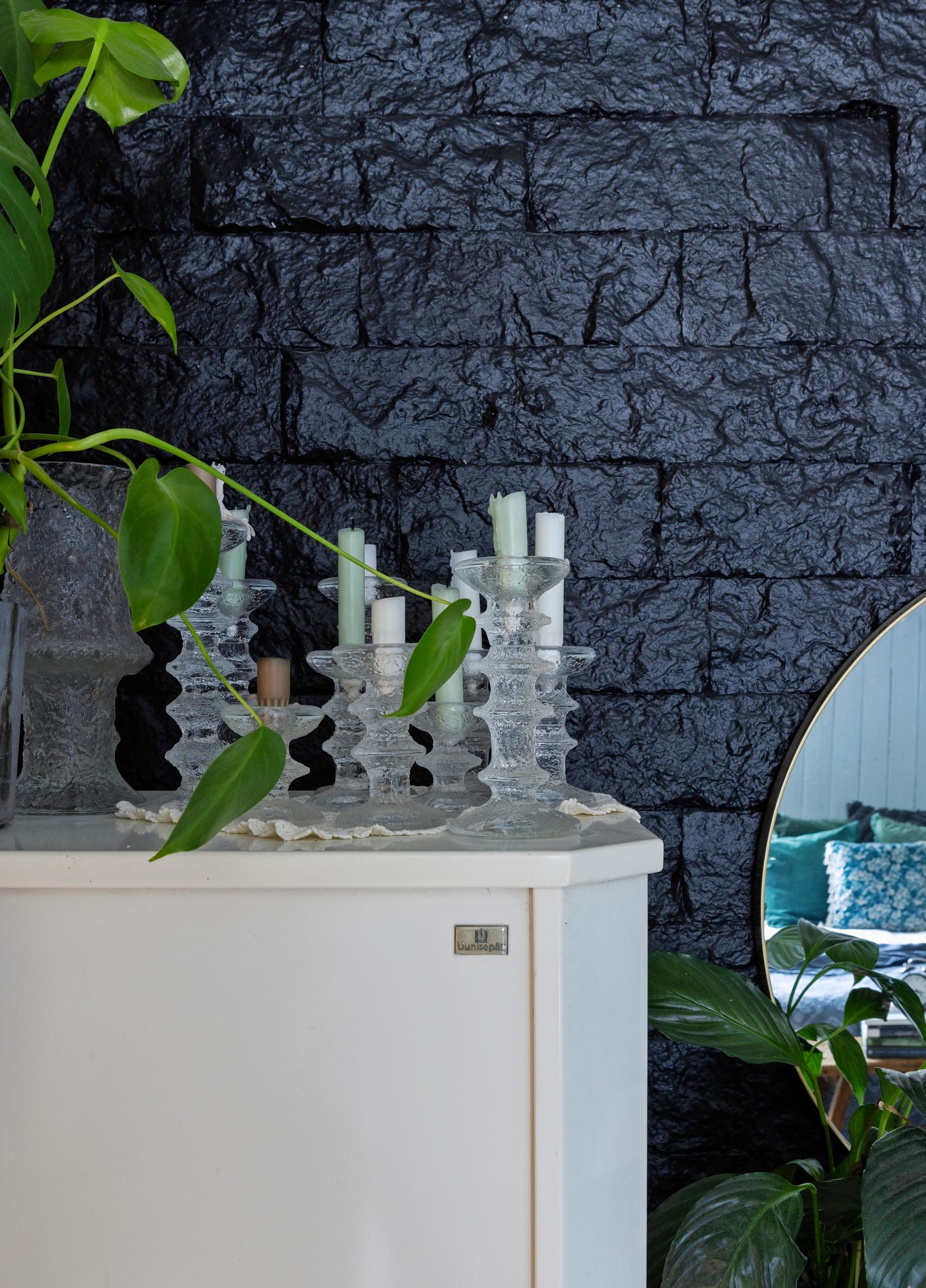
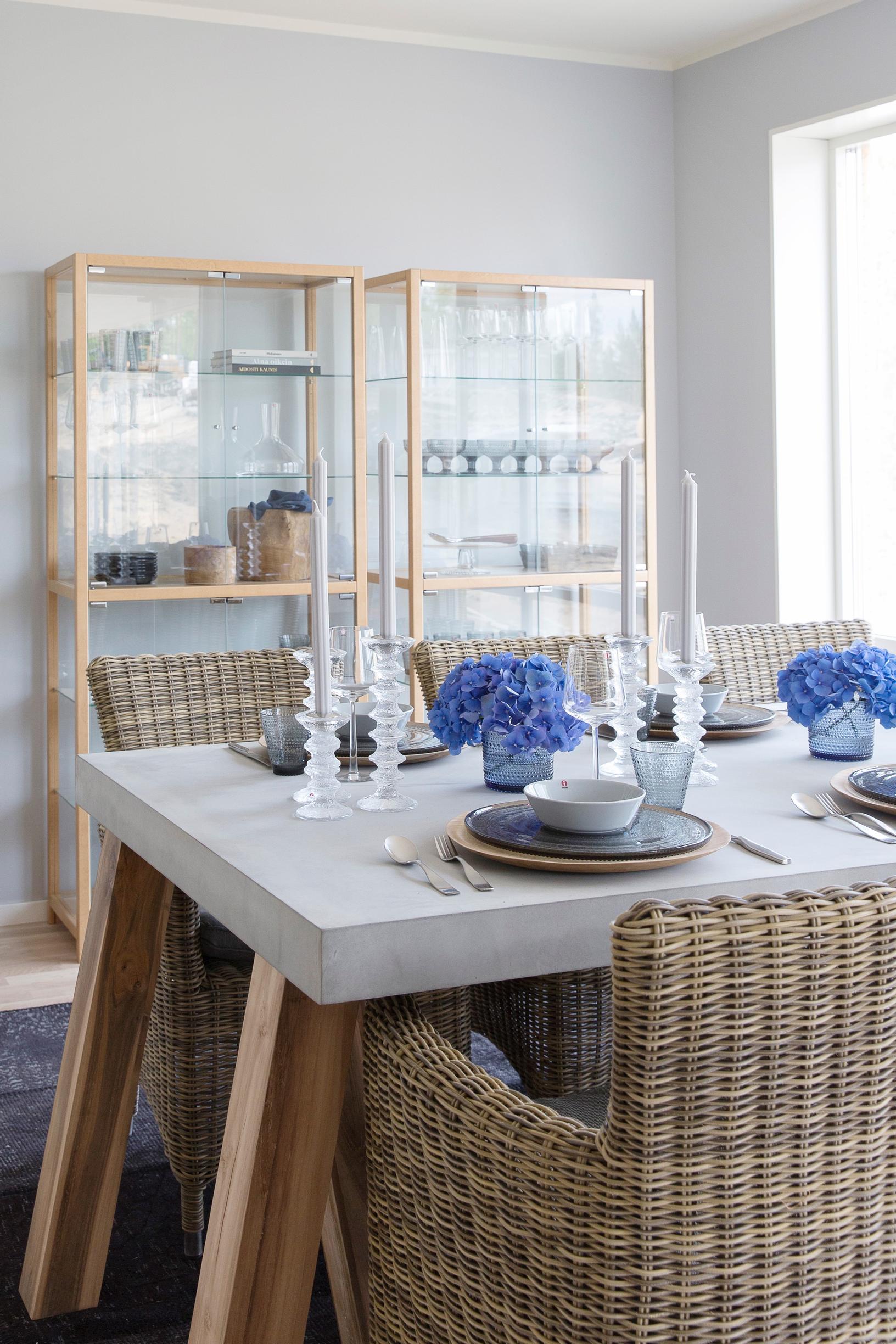
Festivo is a mold-pressed candleholder made with a special technique resulting in a rough, ice-like texture. Besides its rough surface, another signature is the knobby ring—or knot—that encircles the stem.
The initial spark was the “Brotherhood glass” Sarpaneva devised for parties with his group of friends, said to hold almost a full bottle of wine. At least one of these glasses was sold a few years ago at a Bukowskis auction.
At the Iittala glassworks, it was Sarpaneva’s trusted master glassblower Reijo Löflund, known as Reka, who solved the technical challenges of the glass. He also suggested to the designer that the foot of the Brotherhood glass looked more like a candleholder than a drinking glass: “Put a glass button on top and make a little recess—then it’s a candleholder.” Sarpaneva was enthused, and under Reka’s lead they managed, with great effort, to produce 20 successful pieces.
“I told Timo these would be the only ones we’d ever make. It was such a difficult product. Some time passed, and in the spring Timo came back to me and said that such a fine sales item shouldn’t go to waste. We began developing it technically at the factory and managed to get production running. That’s how the Festivo candleholder was born. The rest is history,” Löflund recalled in Marjatta Sarpaneva’s book Timo Sarpaneva.


Festivo candleholders have been made since 1966. Altogether, there have been eight heights: 80 mm, 120 mm, 150 mm, 180 mm, 215 mm, 245 mm, 280 mm, and 315 mm. Today, the heights in production are 120 mm, 150 mm, and 215 mm.
New Festivo candleholders come with a metal candle cup that keeps candles firmly in place, makes the piece even safer, and protects the glass from heat.
Originally there was just one color option: clear glass.

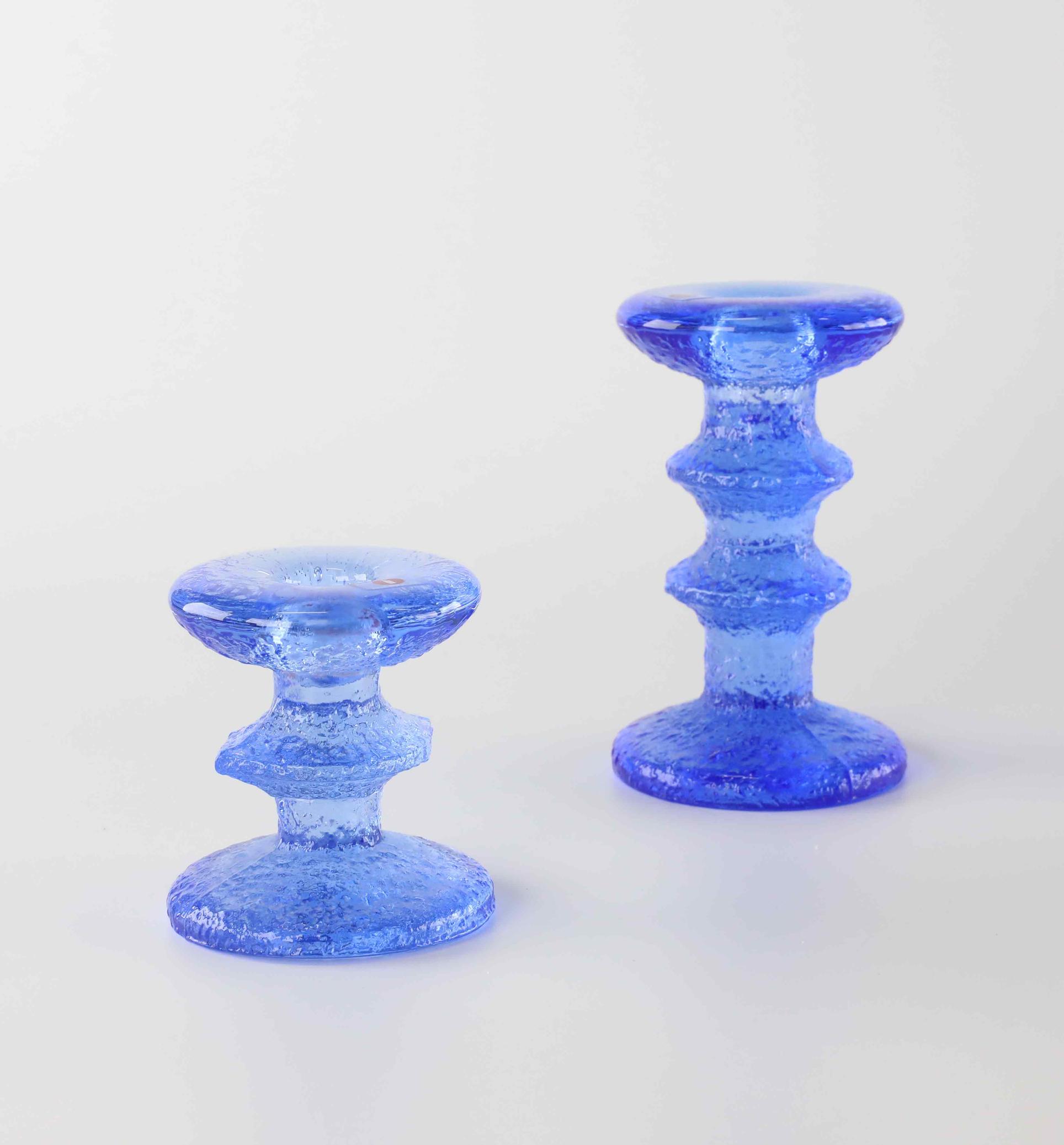
In May 1993, Iittala began manufacturing blue Festivo candleholders alongside the clear ones. According to Iittala, blue Festivos were sold to consumers in three sizes—the three smallest: 80 mm, 120 mm, and 150 mm. These blue Festivos appear only in the 1994 and 1995 price lists, but they may have been sold already in late 1993.
On the vintage market, six-knot (245 mm) blue Festivos have also come up for sale. Their price has climbed to nearly 500 euros. That makes them the most expensive Festivos ever sold, and their owners can be thrilled with their find.
There’s no record in Iittala’s archives of producing the six-knot blue Festivo, but there’s little doubt that such pieces could have been made.

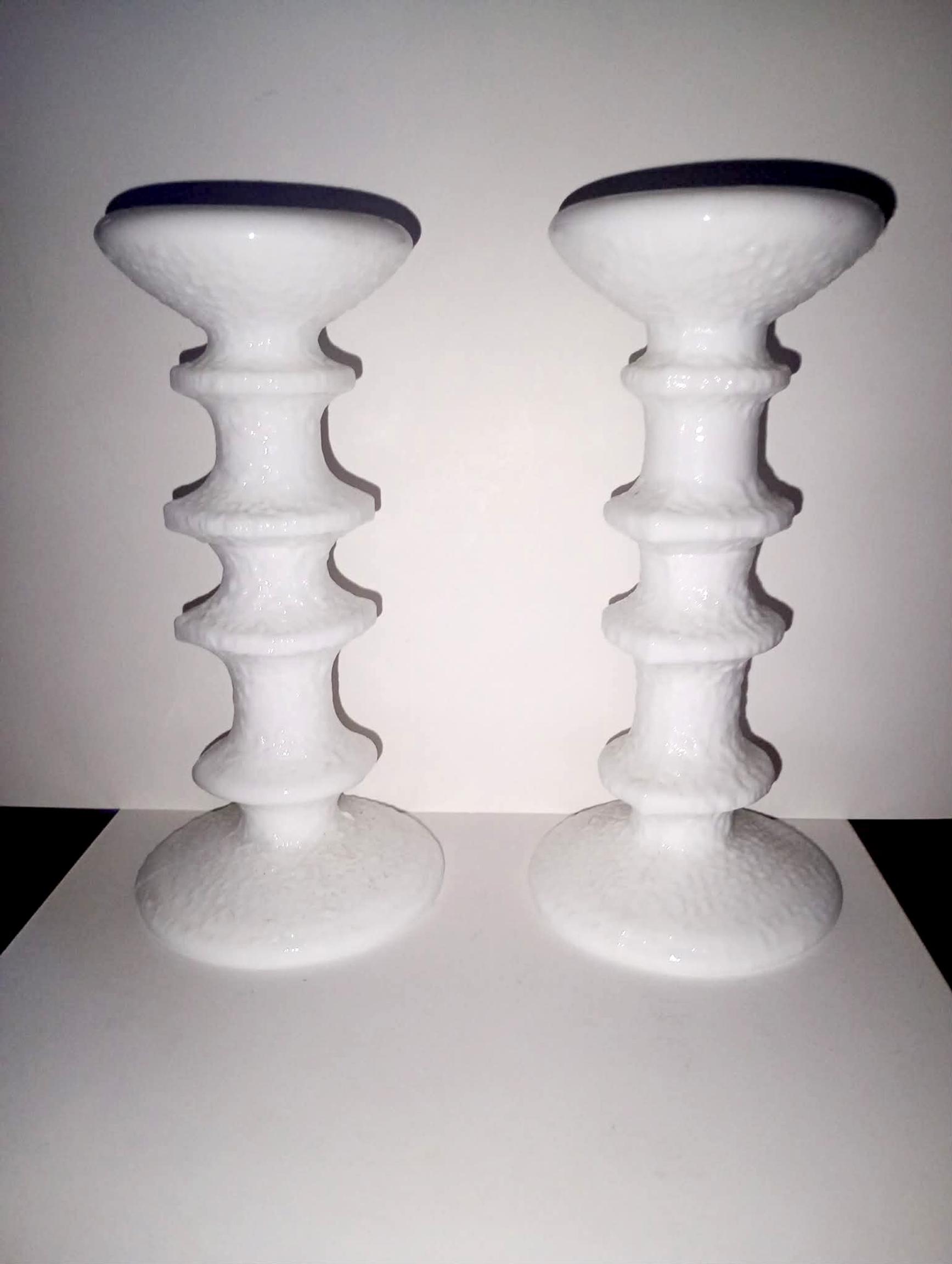
In addition to clear and blue, there was a 1984 pilot batch of opaline white Festivos, 180 mm tall. The version may not have been to Sarpaneva’s taste, but a few pieces do surface on the vintage market from time to time.

You may also come across Festivos with a faint pink or yellow cast, but these aren’t official colorways—they result from a small amount of colorant getting into the clear glass melt.

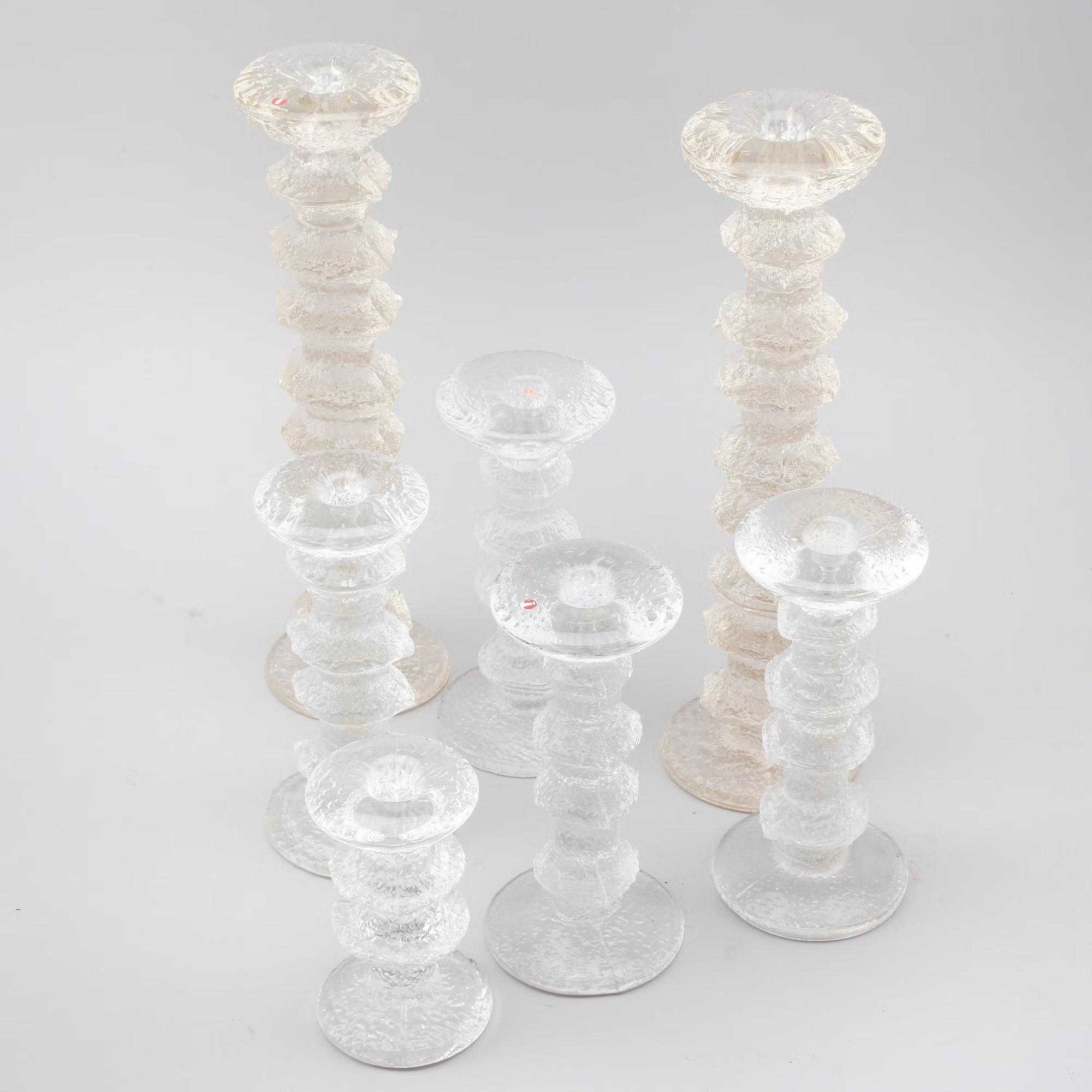
As a rule, the tallest Festivos are the most valuable. Of those, the seven-knot model appears to be rarer—and therefore more valuable—than the even taller eight-knot version.
You can pick up a single-knot Festivo in clear glass for a few tens of euros, and in principle the price climbs knot by knot.
Relative to size, the priciest are the blue and opaline Festivos, and their prices range widely—from under 100 euros to several hundred.
In 1987, to mark Festivo’s 20th anniversary, Iittala released a special model standing 175 mm tall. Although it was sold only for a limited time, it hasn’t become as hotly pursued among collectors as some other small runs. Prices vary widely, from 60 to 120 euros.
Sources: Marjatta Sarpaneva: Timo Sarpaneva—Taide ja elämä (Tammi), the Iittala archives, and the blog Lasinkeräilijän blogi.