Beware overwatering—and the air-source heat pump: how to keep poinsettias and other holiday flowers blooming longer
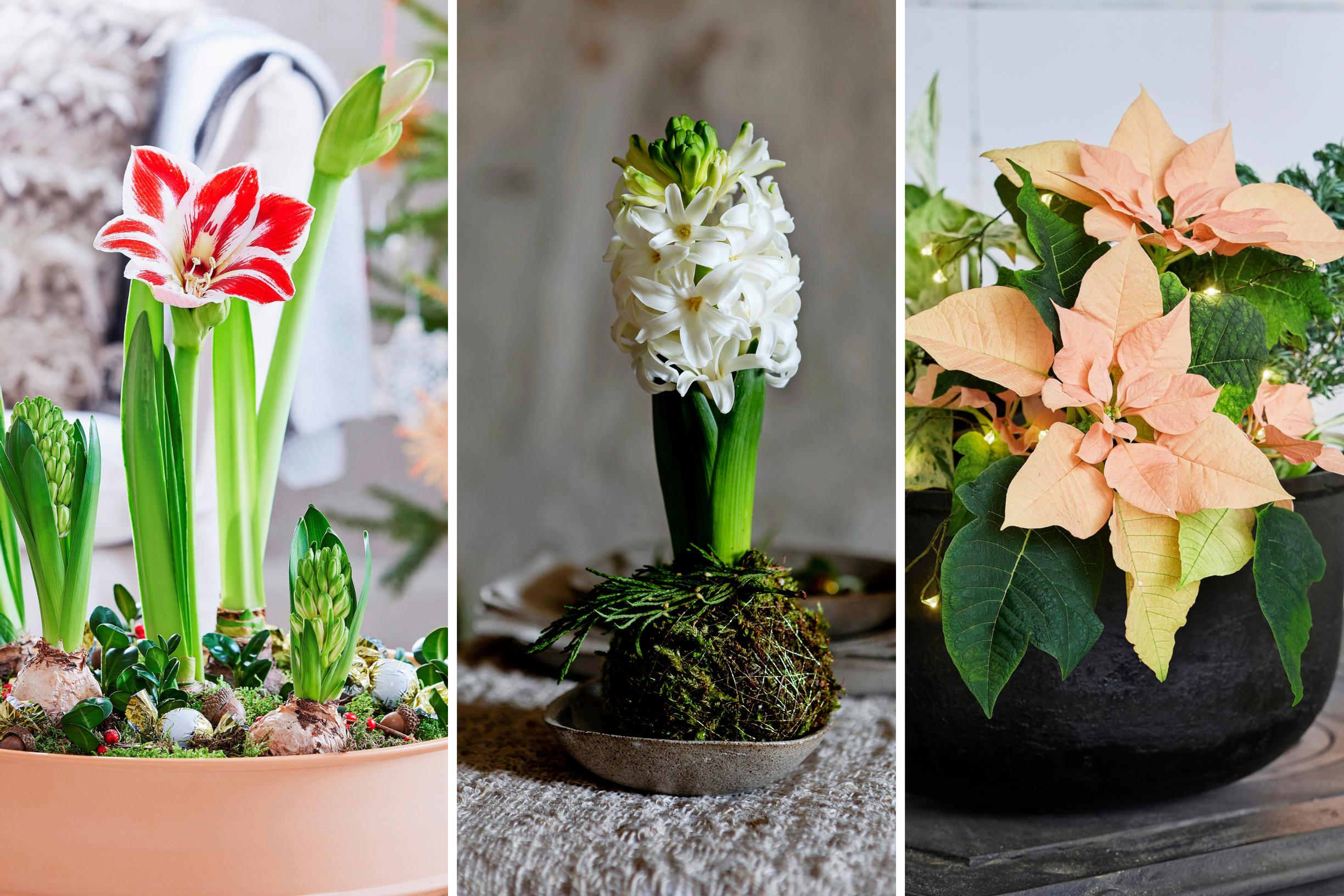
We’ve gathered tips for caring for hyacinths, poinsettias, amaryllis, and Christmas roses so you can enjoy the splendor of holiday flowers for as long as possible. You’ll get arrangement ideas, too!
Hyacinths handle the cold
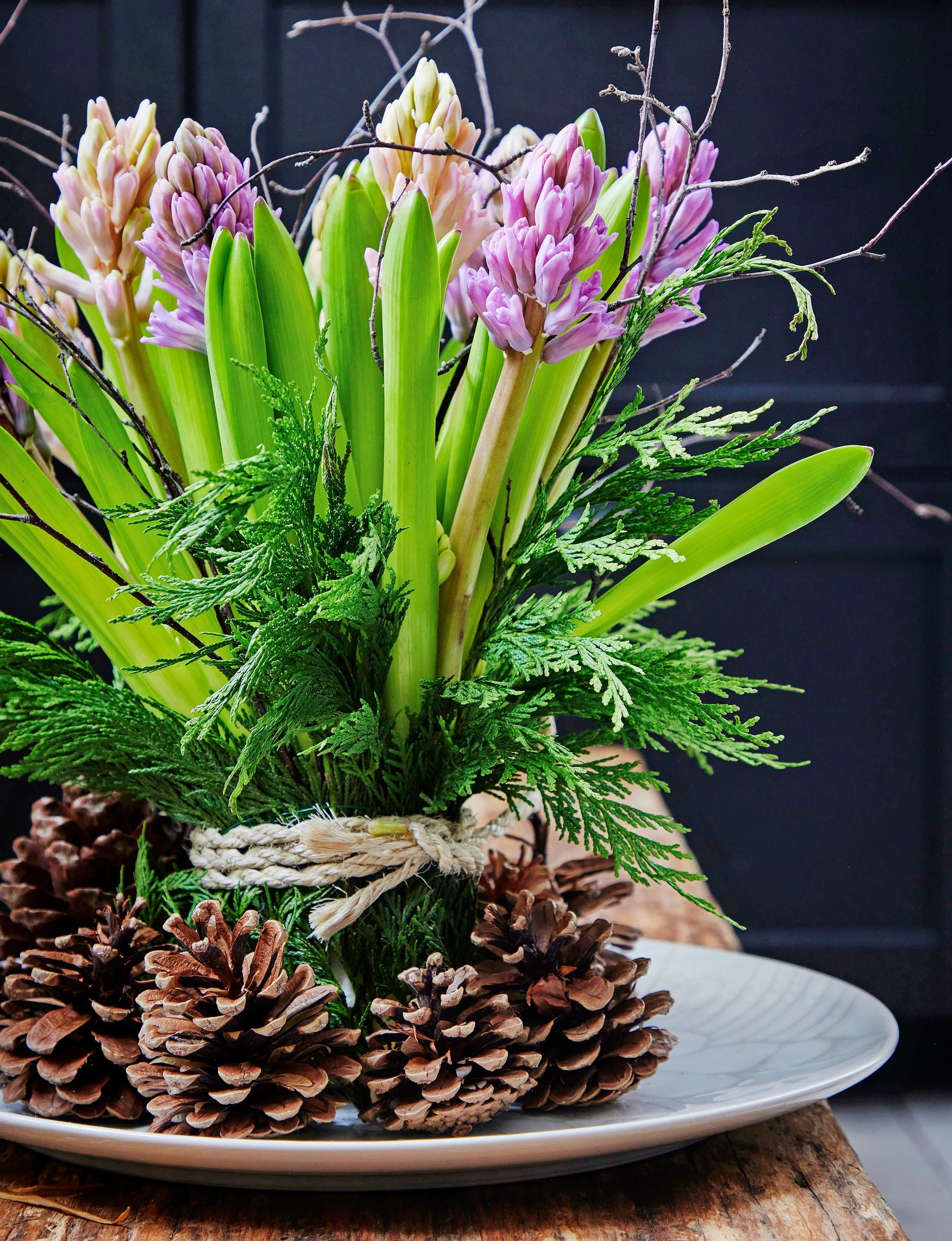
One of the most popular Christmas blooms in Finland, the sweet- and spicy-scented hyacinth has decorated our holiday homes since the early 1900s. The fragrance is usually strongest in blue varieties, second-strongest in pale pink, and mildest in white.

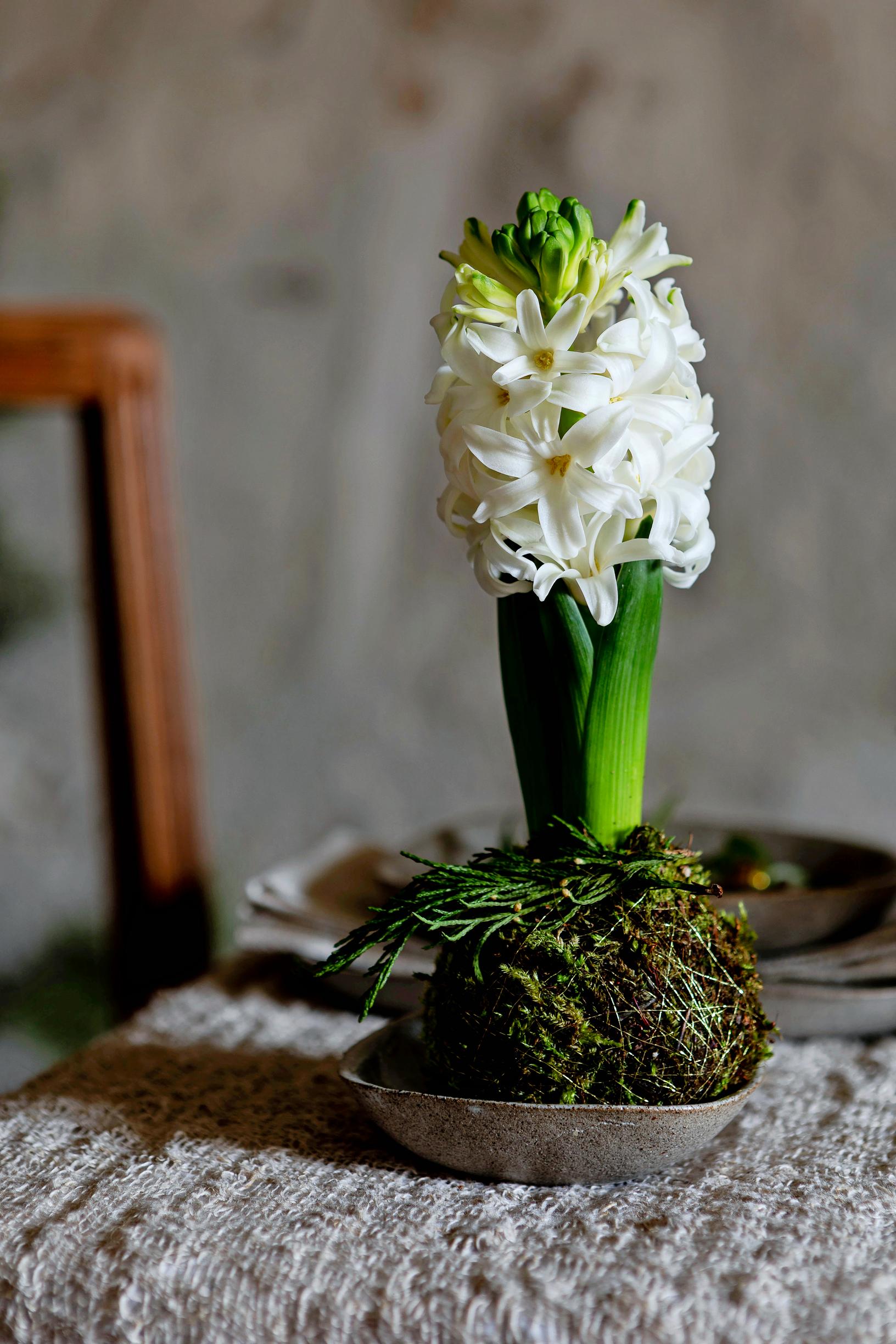
Place your hyacinth in a bright spot and water sparingly a couple of times a week. That way the flower stalks won’t stretch too much and flop over. Do take care not to let it dry out completely, or the buds may fail to open and the bloom will fade prematurely. A well-budded hyacinth usually opens in about a week.
For the longest-lasting bloom and sturdy stalks, move the plant to a cool place overnight. You can also keep hyacinths outdoors in a sheltered spot where the temperature doesn’t drop more than a few degrees below freezing: –1–2°C or 30–28°F.

Poinsettias appreciate steady watering
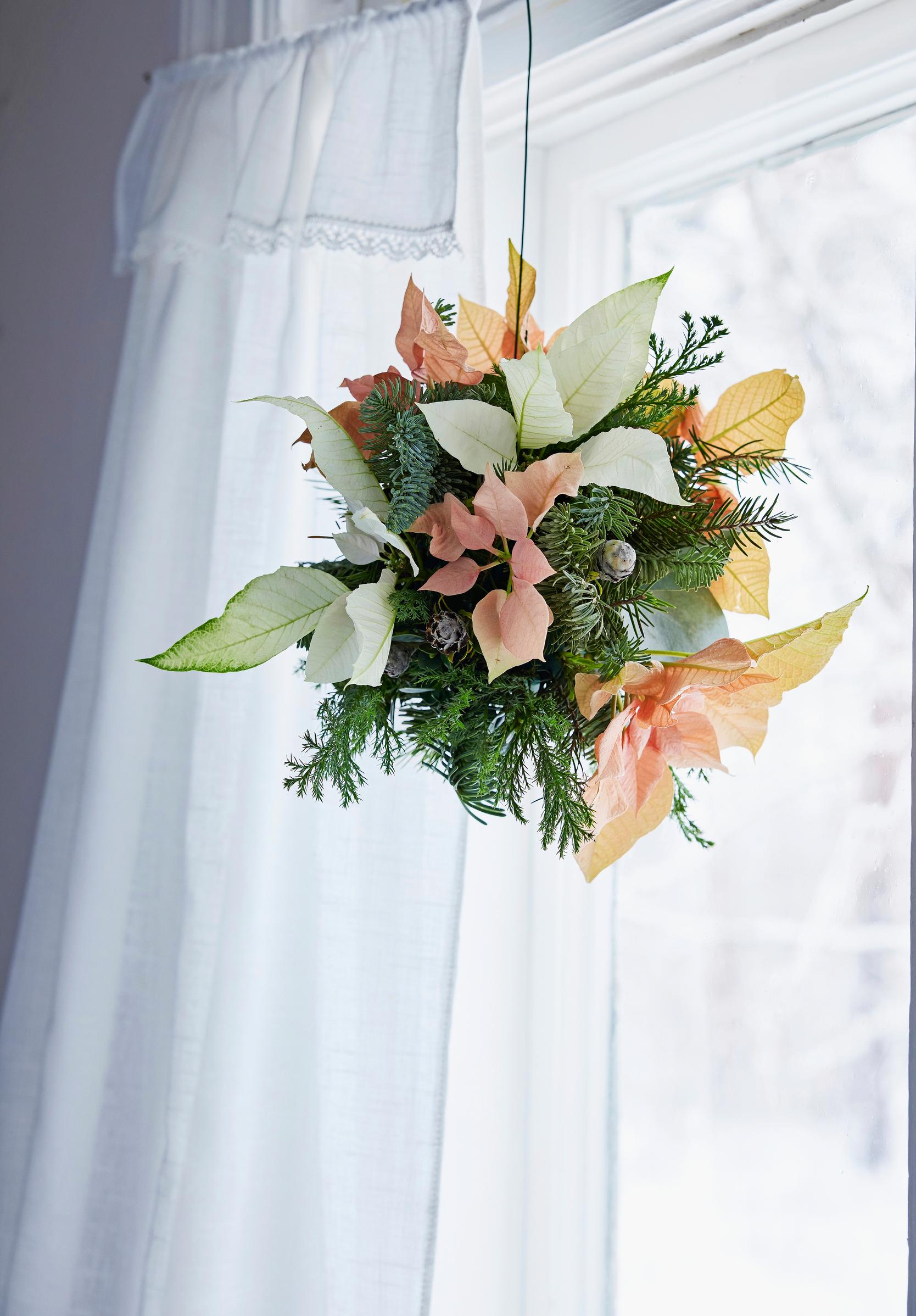
Today, poinsettias come in a dazzling range of colors, shapes, and sizes. Early in autumn, the russet-toned poinsettias and the compact, small- and thin-leaved princettias are the first to appear in stores.


All poinsettias enjoy the same care. Place the plant in the brightest, draft-free spot you have, away from a hot radiator or an air-source heat pump. If yours sits on the windowsill, move it aside while you air the room. When shopping, pick a dark-leaved poinsettia that hasn’t been kept in a draft.
Water evenly. Give room-temperature water only when the top of the soil has clearly dried or the pot feels light when lifted. Native to tropical Mexico, the poinsettia is sensitive to water standing around its roots, and overwatering is the most common cause of failure. To avoid overdoing it, add water to the saucer two or three times a week and pour away any that remains after about 15 minutes.

Amaryllis charms as a cut flower, too
White, pink, yellowish, red—or two-toned? Single or double blooms? There’s a wealth of amaryllis varieties to choose from. As bulb plants they’re easy to care for, much like hyacinths: Place the plant in a bright spot and water the potting mix sparingly with room-temperature water once or twice a week. Don’t let the mix dry out completely so the buds will open, but also avoid overwatering that stretches the flower stalks.

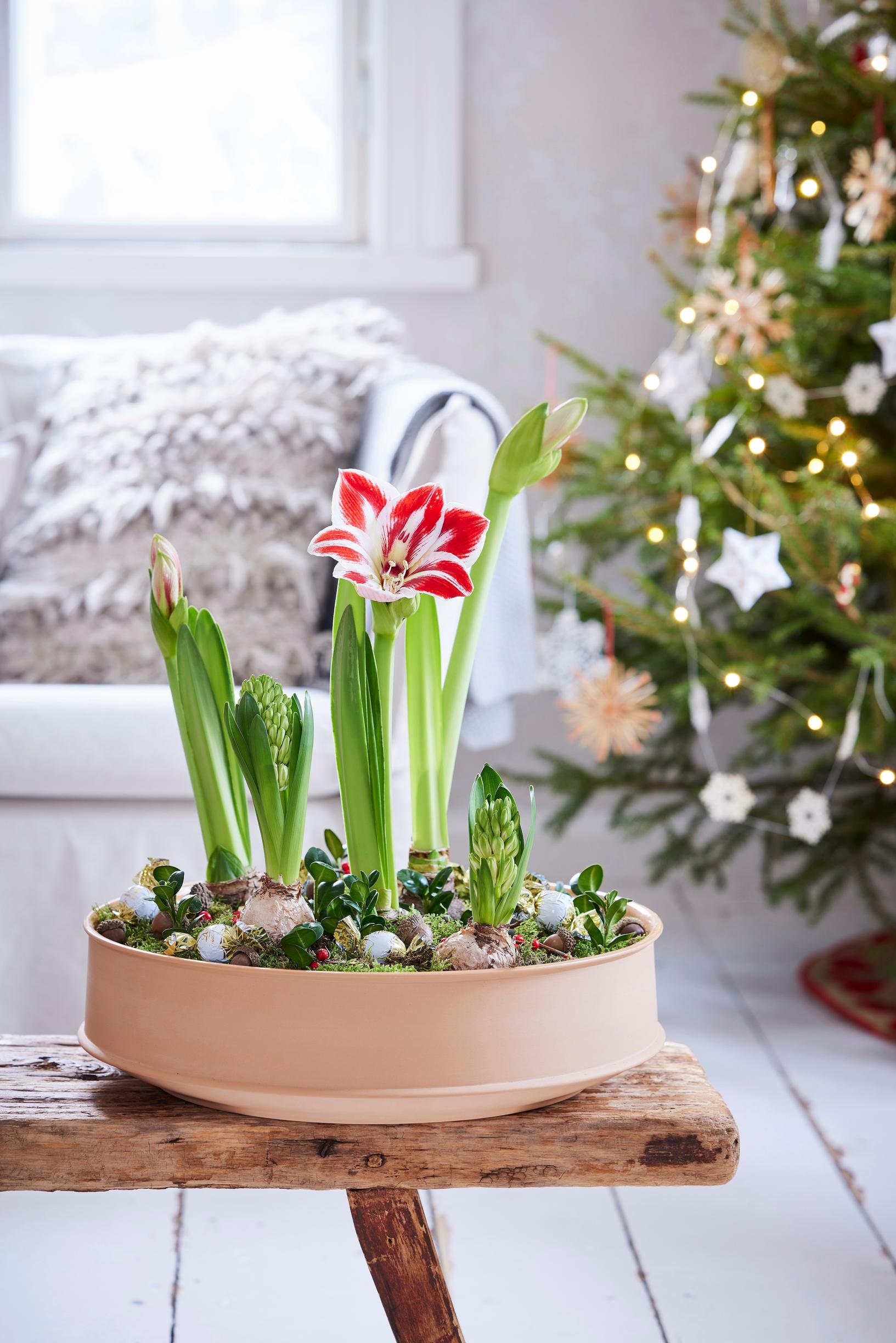
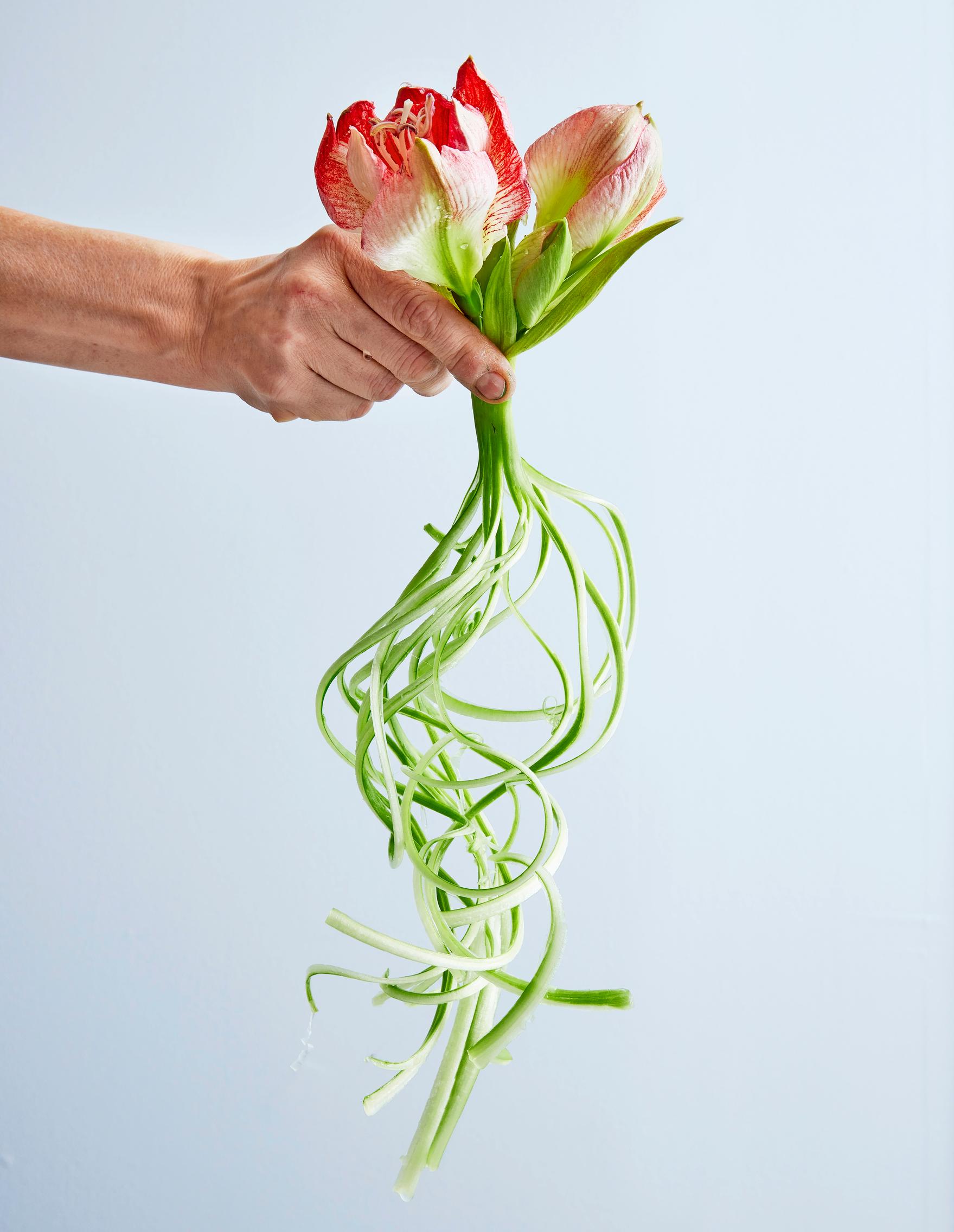
An amaryllis can bloom for weeks—especially if you keep it in a cool place overnight. If you like, cut flower stalks for a vase. Slip a rubber band around the base of the stem if you don’t want it to unfurl. Or perhaps you’d like to create a playfully curled amaryllis?

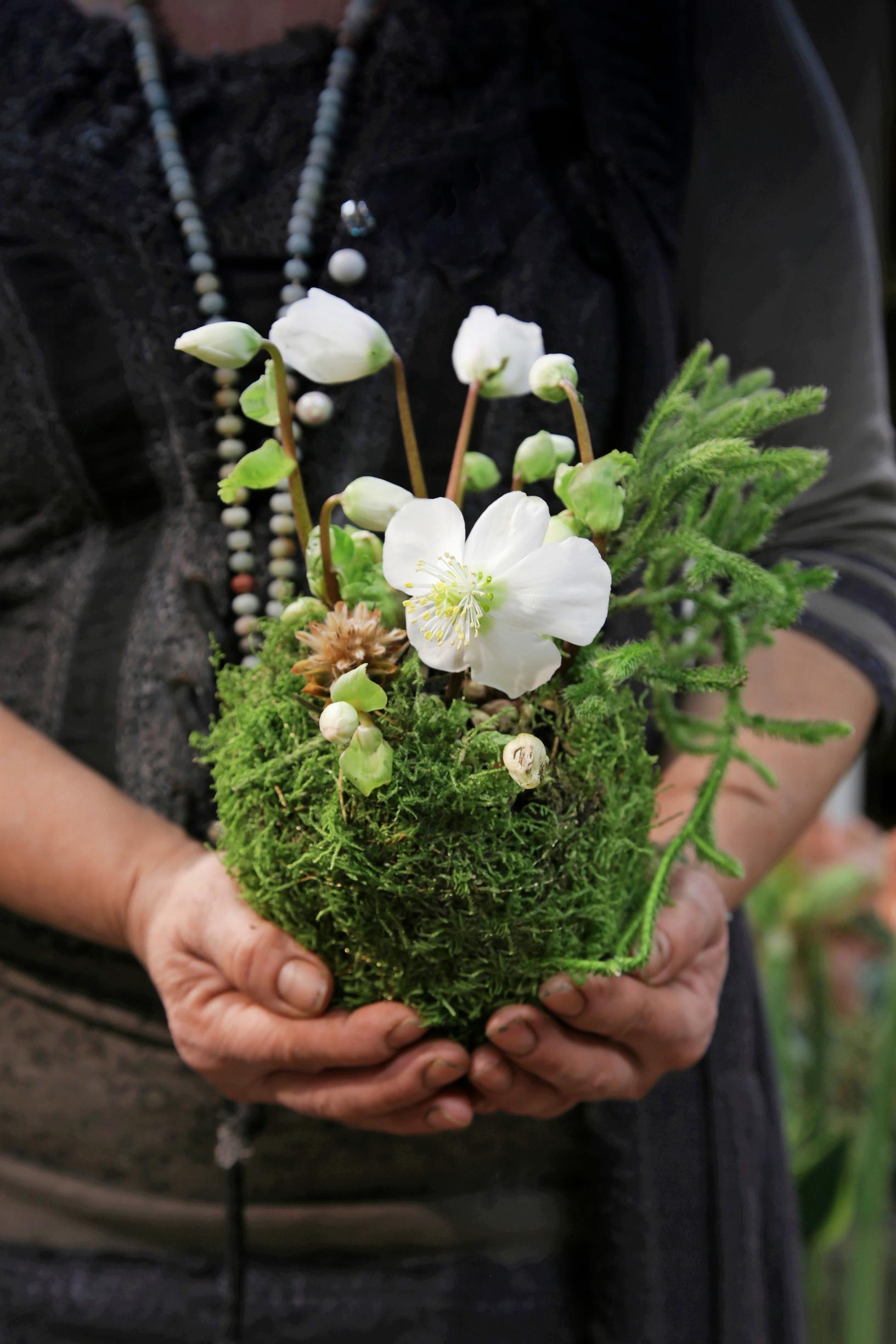
Among Christmas roses, the leafless ones are the easiest
The key to caring for Christmas roses (hellebore) is steady moisture. Water when the top layer of soil dries or the leaves begin to droop. If the soil has already dried out, submerge the pot in water for a moment. You can also water by pouring into the saucer every two or three days.

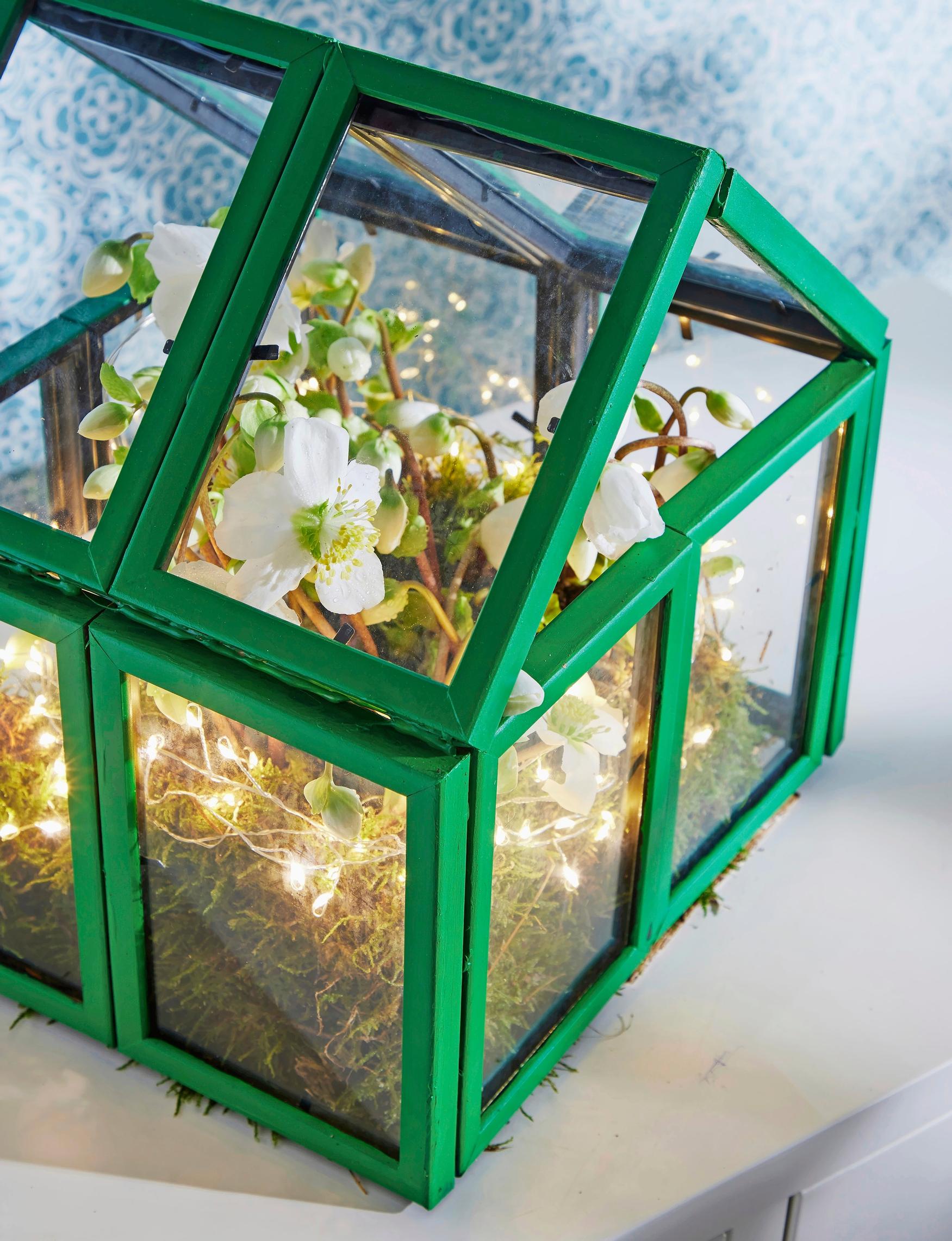
The leafless Christmas roses sold around the holidays are usually varieties of the black hellebore (Helleborus niger). Indoors they’re easier than leafy types, because they don’t transpire as much and therefore need less water. In a bright spot with good care, flowering lasts two to three weeks; in cool conditions at 10–15°C (50–59°F), even up to a month. The plant grows leaves only after flowering.