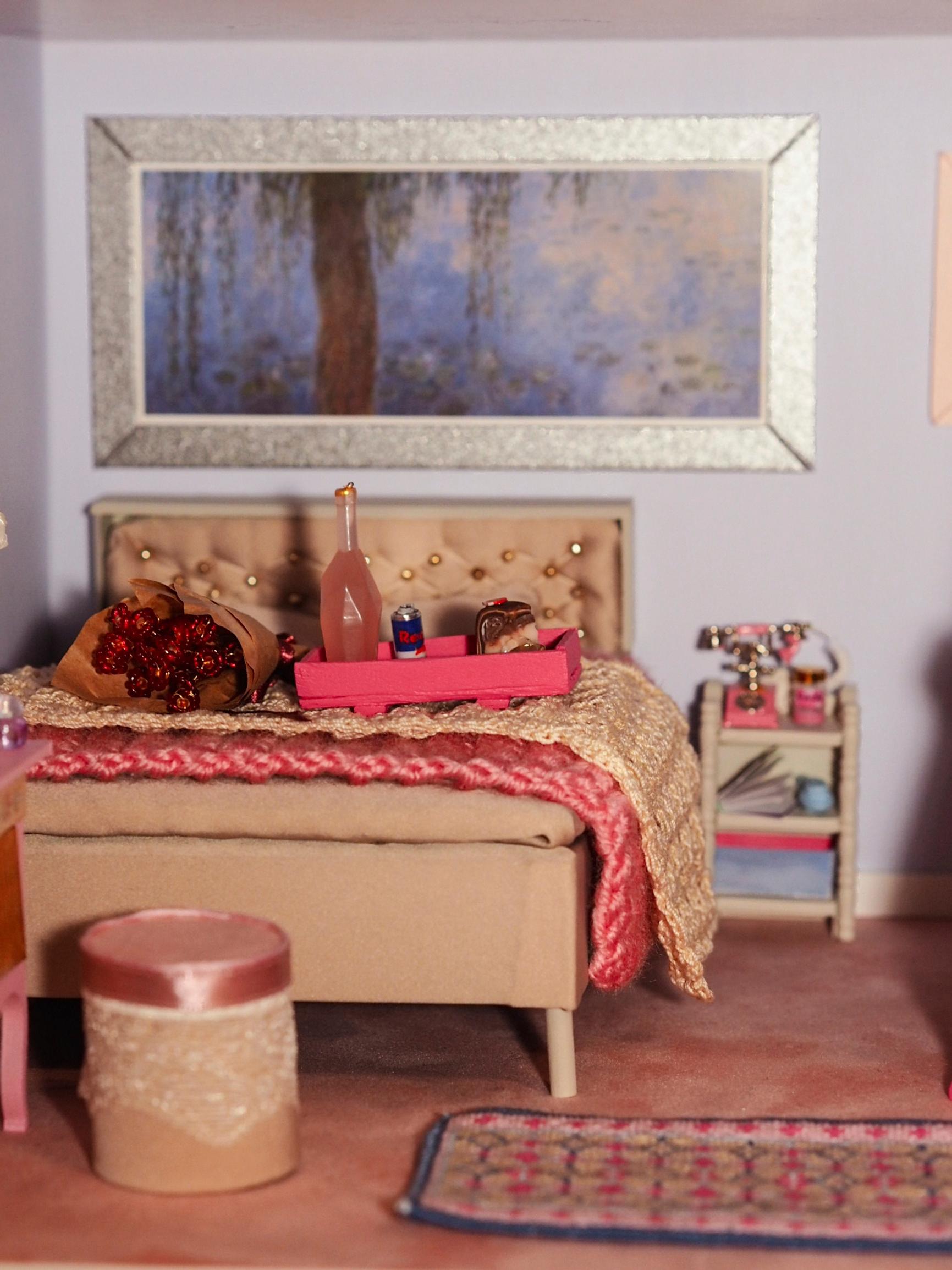
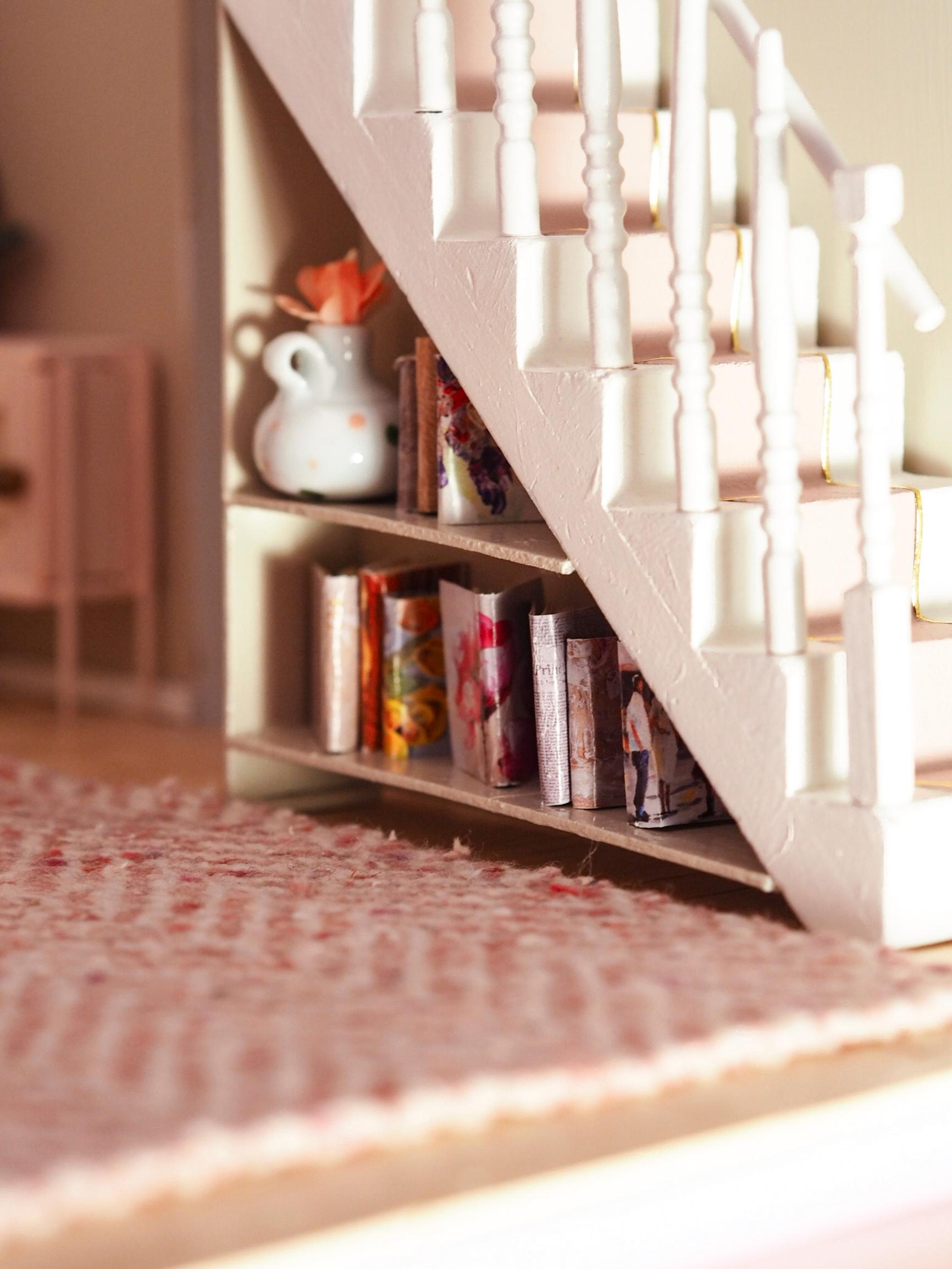
Engineer Emma’s dollhouse delights with tiny details—including a mini wedding photo
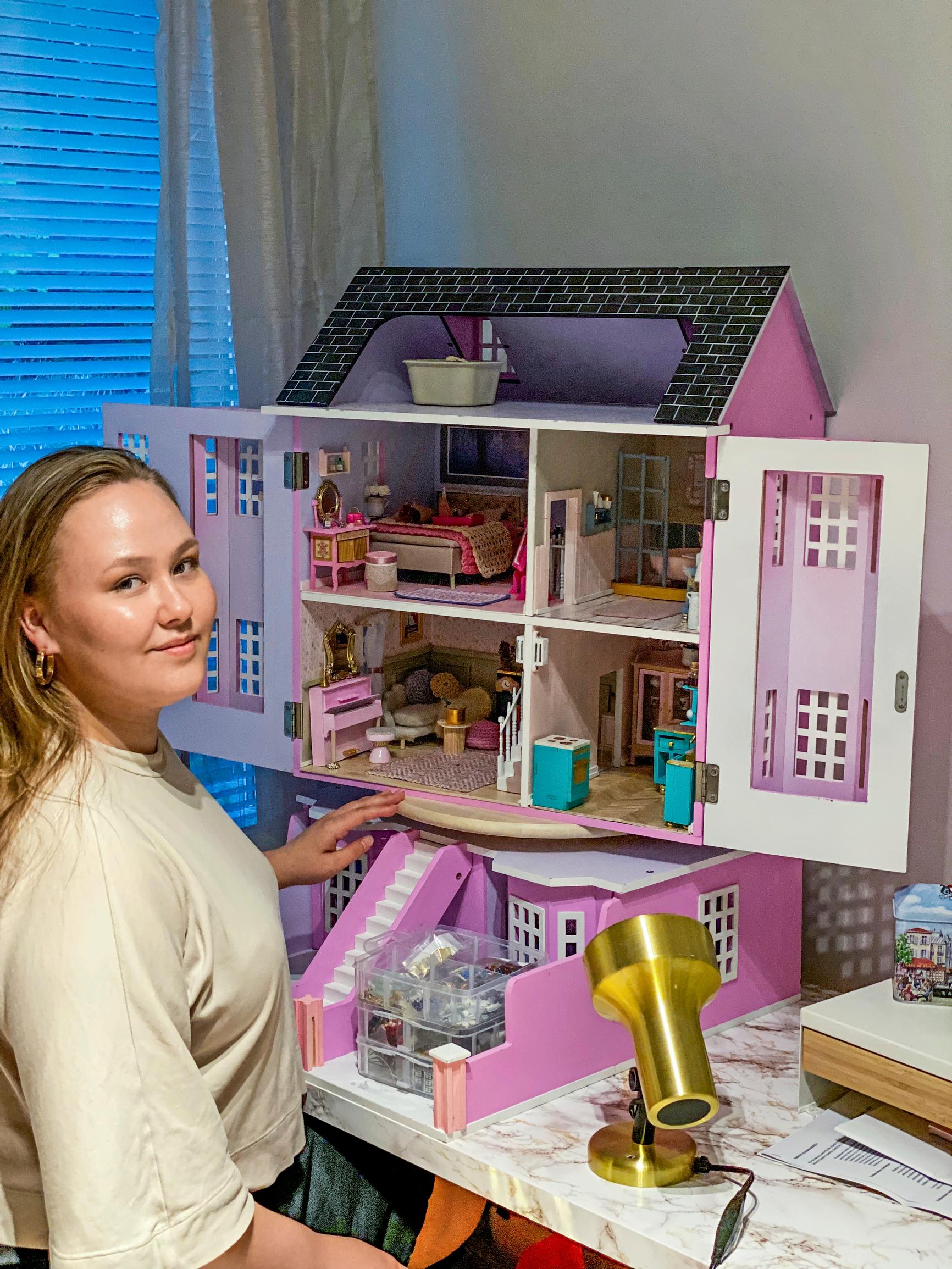
Finnish Emma Vaaramäki turns empty cosmetics packages and popsicle sticks into dollhouse furniture. The tiny house is home to her and her spouse. “The dollhouse may never be finished, and that’s not the point—the joy is in the making.”
During last year’s Christmas break, inspiration struck and Emma Vaaramäki started browsing used dollhouses on an online marketplace—and bought one on the spot. She began decorating from scratch. Emma has painted walls, laid herringbone parquet, crafted furniture, and made miniature pieces from houseplants to books.
Working in miniature is a handy way to test decorating ideas. Maybe some of them will find their way into Emma’s own home, too.
Emma, how do you craft the dollhouse furniture?
What I love about the dollhouse project is that I can make all kinds of things from all kinds of materials. Sometimes I’m crafting with a utility knife; other times I’m curled up on the sofa crocheting a tiny bedspread.
I build furniture bases from product packaging, cardboard, and wooden sticks. I lean heavily on recycled materials and save boxes that would otherwise go in the trash. I might dream up a piece just from the pretty color of a cosmetics package.
My mother is a picture framer, and I get cardboard from her. My grandmother is a textile rep. I’ve made rugs and the sofa upholstery from her sample swatches.
I go through a lot of popsicle sticks—I buy them new. I’ve made floors and wall panels out of them. My childhood Barbie accessories are now decor accents.

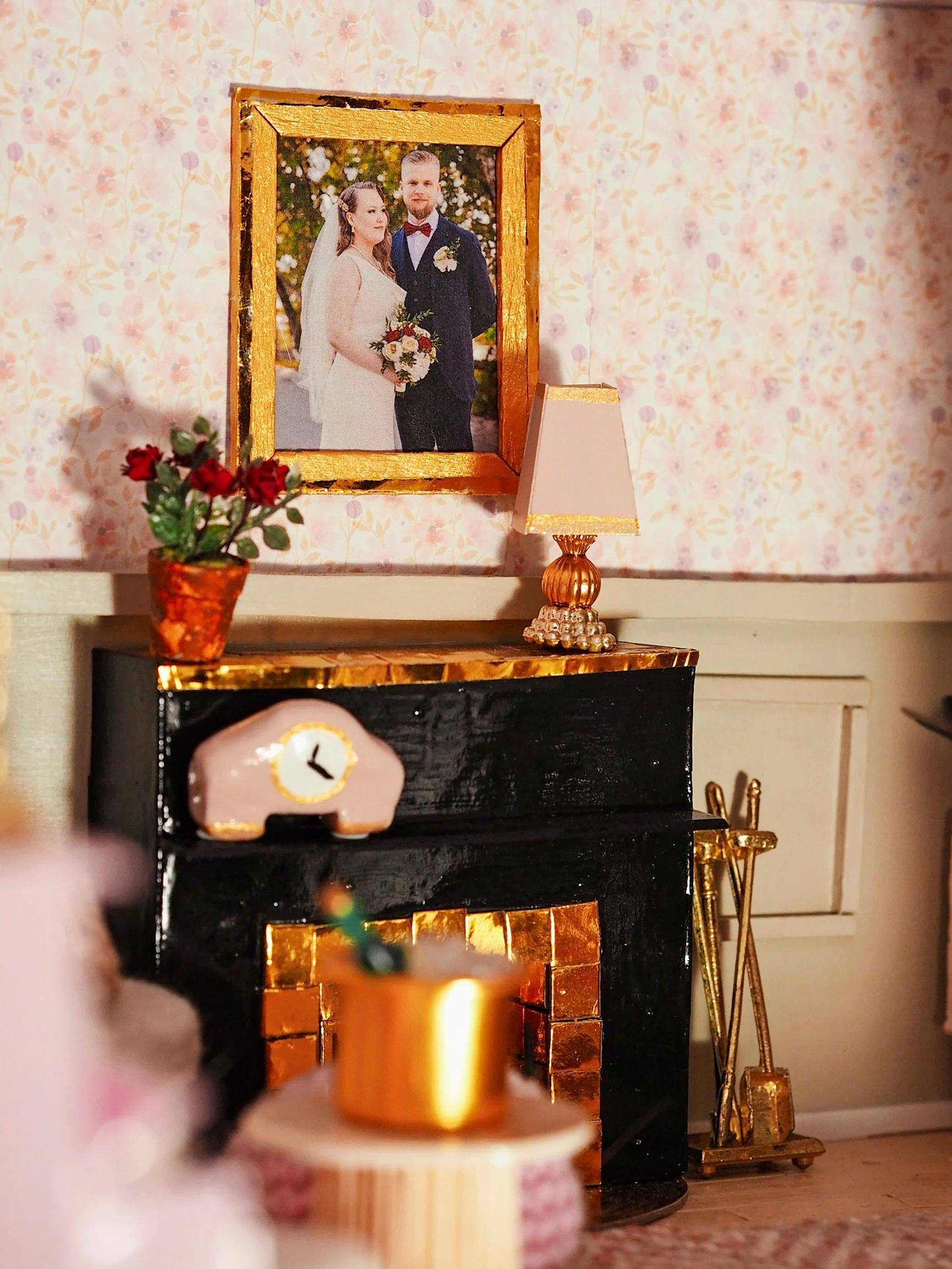
”The dollhouse may never be finished, and that’s not the point—the joy is in the making.”


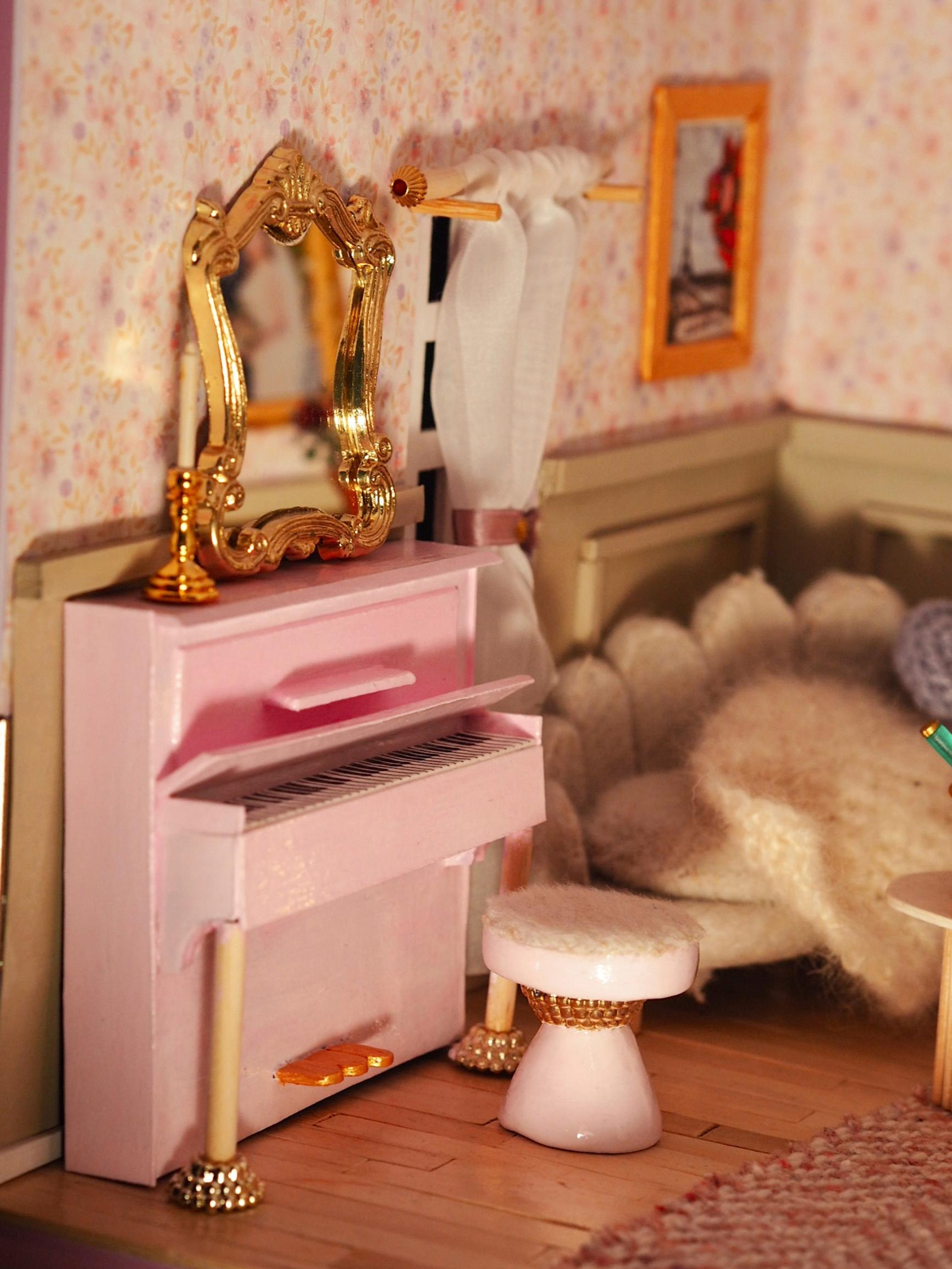
What’s your dollhouse decorating philosophy?
It’s me and my spouse who “live” there. I want anything but white in the dollhouse. I look for furnishing ideas on social media, like Pinterest.
I’m an engineer, but in my free time I don’t fuss about measuring everything to the millimeter. Not every single item is the prettiest flower in the meadow, but with plenty of details, it’s the whole that counts.

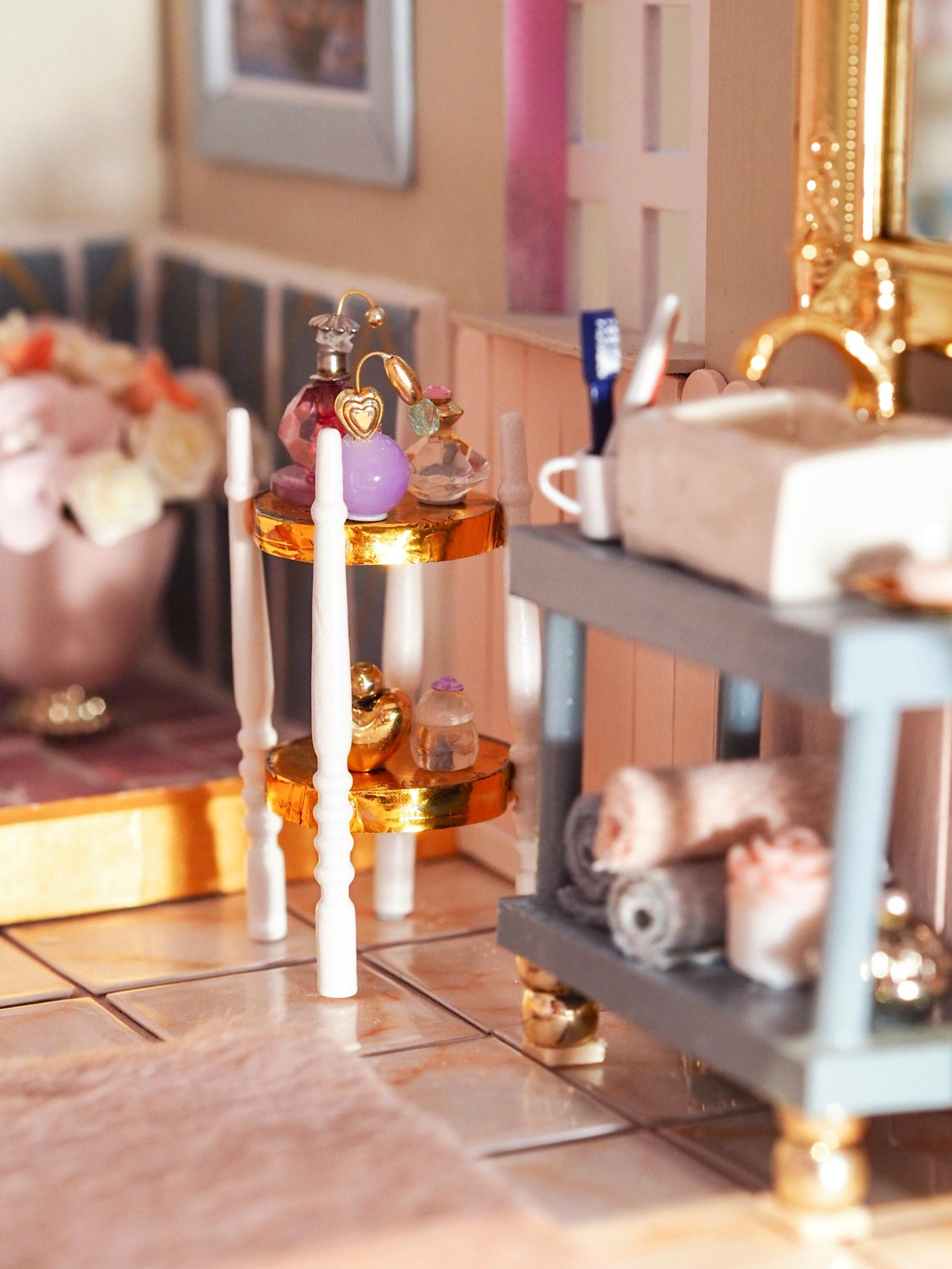

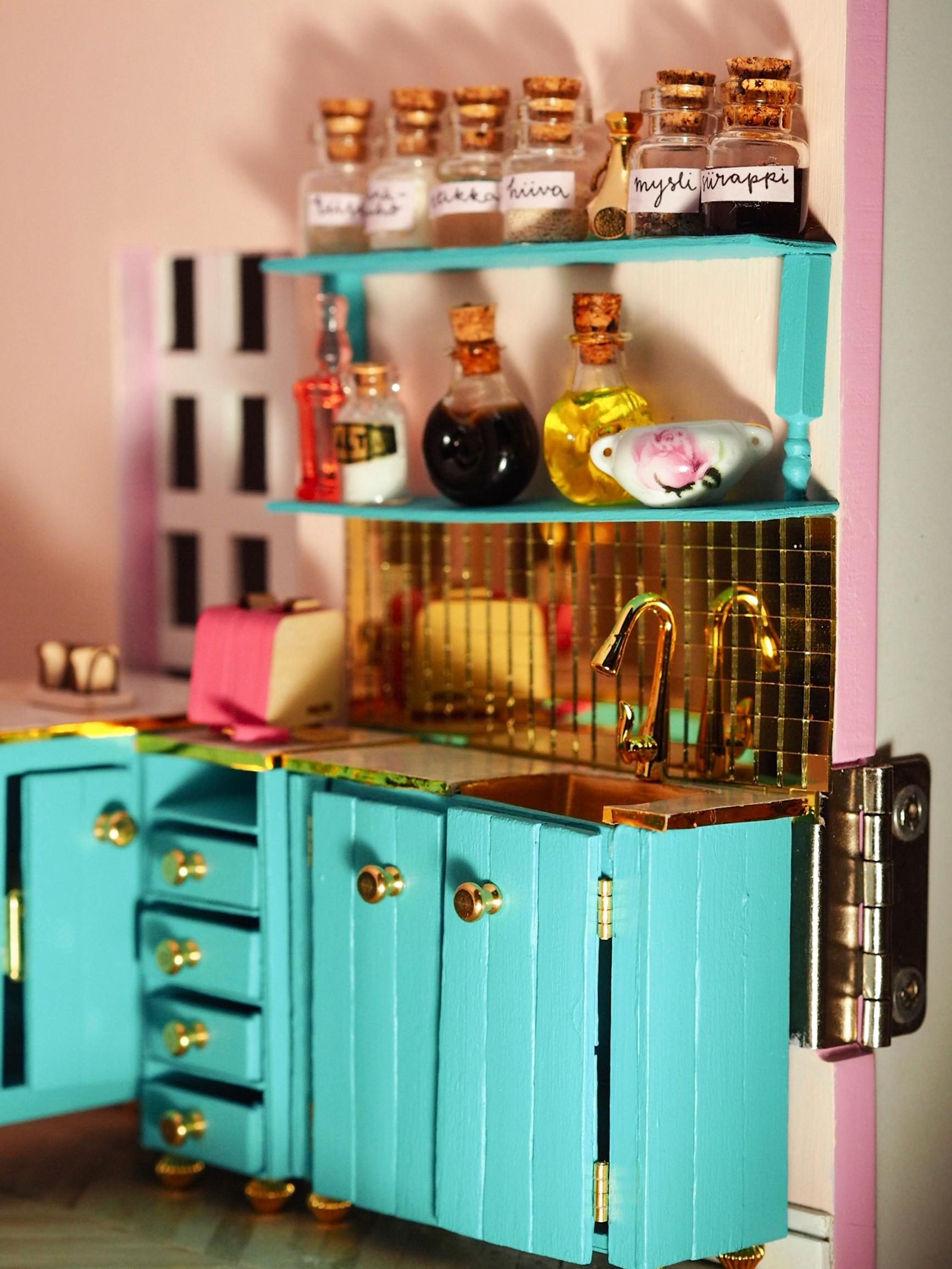
What’s next for the dollhouse?
I could try using a 3D printer to make tiny things that are hard to do by hand, like knobs and door handles. Authenticity comes from the details. In the attic, I’m thinking of making a children’s room, and in the basement a man cave, which might get a game console and a weight bench.
I think the project is never-ending: I’ll keep adding and swapping things little by little. The dollhouse may never be finished, and that’s not the point—the joy is in the making.