Reporter tries a digital detox—and is surprised by how hard it was to unplug: “How can this be so hard?”
“The more time I spend on my phone, the less present I am in my life,” felt reporter Kirsi-Marja Kauppala, who decided to spend her cabin vacation without digital devices. The effects were surprising.
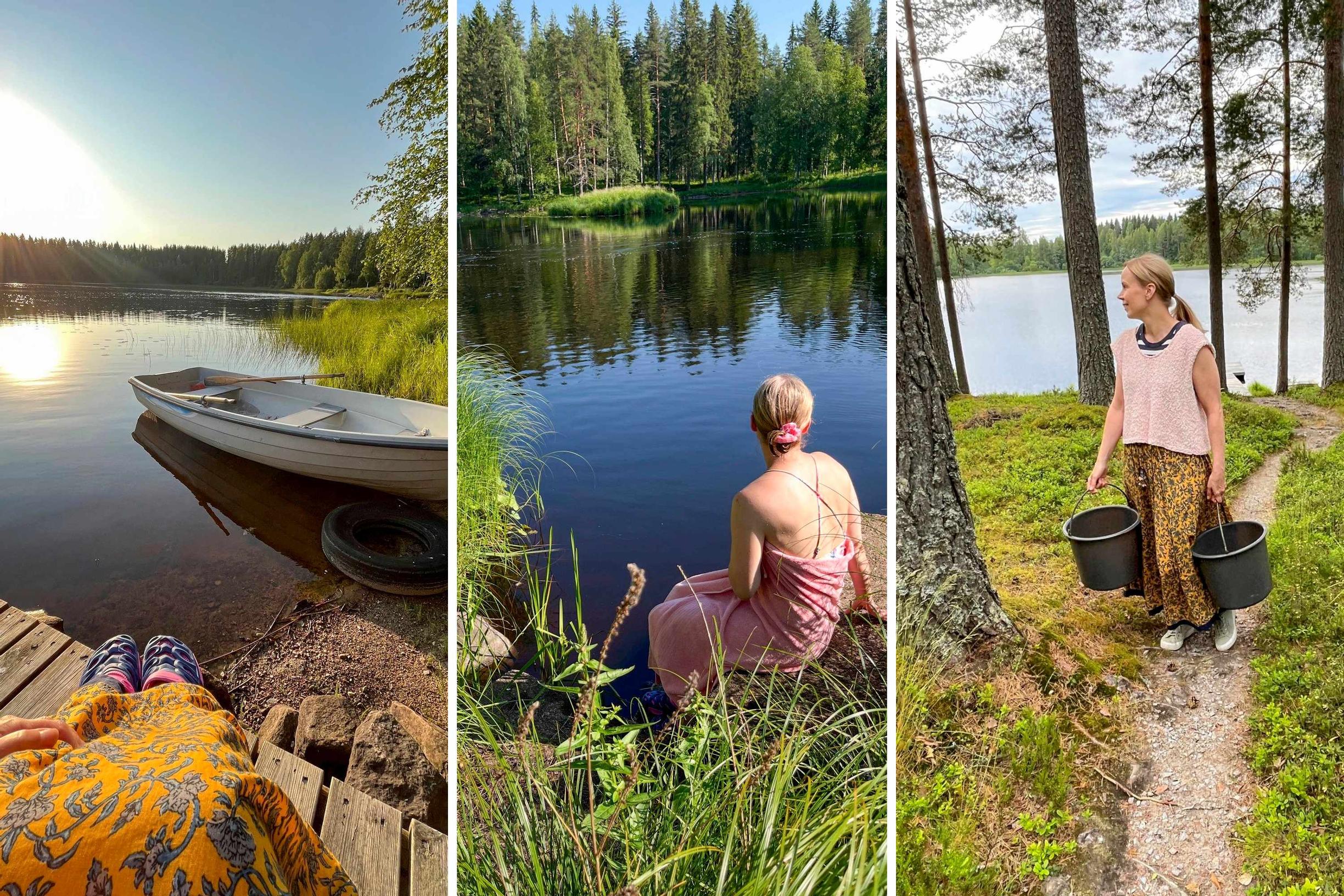
A narrow forest road leads toward the tip of the peninsula. My mind starts to settle even in the car, because I know I’m arriving at my favorite place. I’ve spent summers and Christmases at our cabin since I was a child. Here I get to return to the basics. No unnecessary conveniences like running water, an indoor toilet, or a shower.
This time I’ve decided to maximize the feel-good effects by dedicating four days at the cabin to a digital detox. I won’t touch my phone or the TV remote. I’ve left my laptop at home, and instead of listening to the radio I’m going to dive into a thick novel.

Knowing myself, I know I can’t limit my social media use by sheer willpower. As soon as I arrive at the cabin, the first thing I do is power off my smartphone and leave it at the bottom of my backpack. I remind myself that my loved ones know about my digital detox and that an automatic reply is watching over my email. No one needs me right now.
A digital detox is necessary, because my work keeps me on a laptop and phone most of the day. Even on walks I often listen to a podcast, and in the evenings I stare far too much at social feeds or the TV.
I’ve realized that my default state is feeling rushed, even when there’s nowhere I actually need to be. I’m sure the smartphone is the root of that inner alarm. Even though I start my mornings without the phone and carve out a daily moment of presence through meditation, I’m no more immune to social media’s addictive dopamine spikes than anyone else.
I can see clearly that the more time I spend on my phone, the less present I am in my life. It’s time to reclaim the focus and peace of mind that disappeared into the social feed.

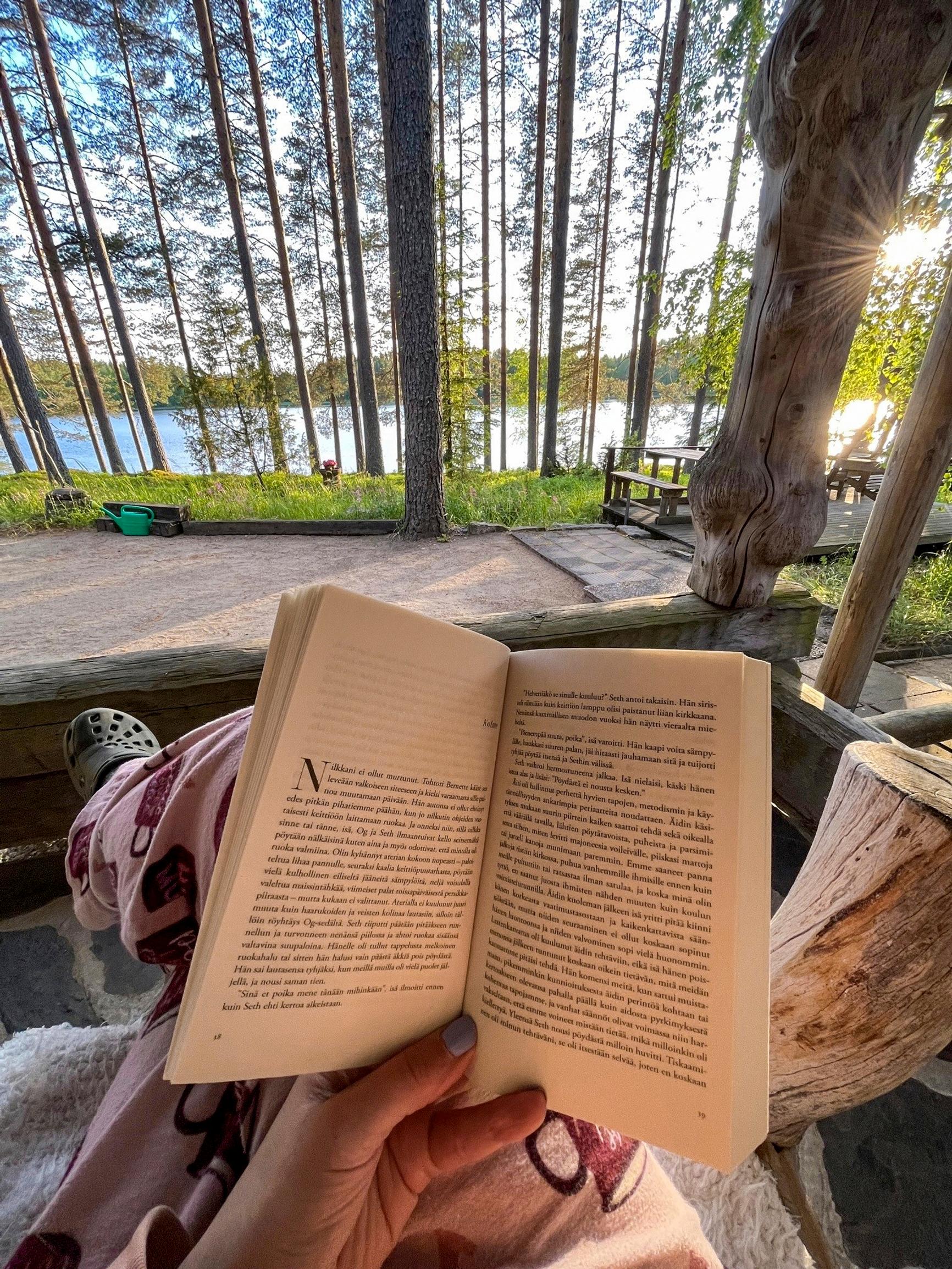
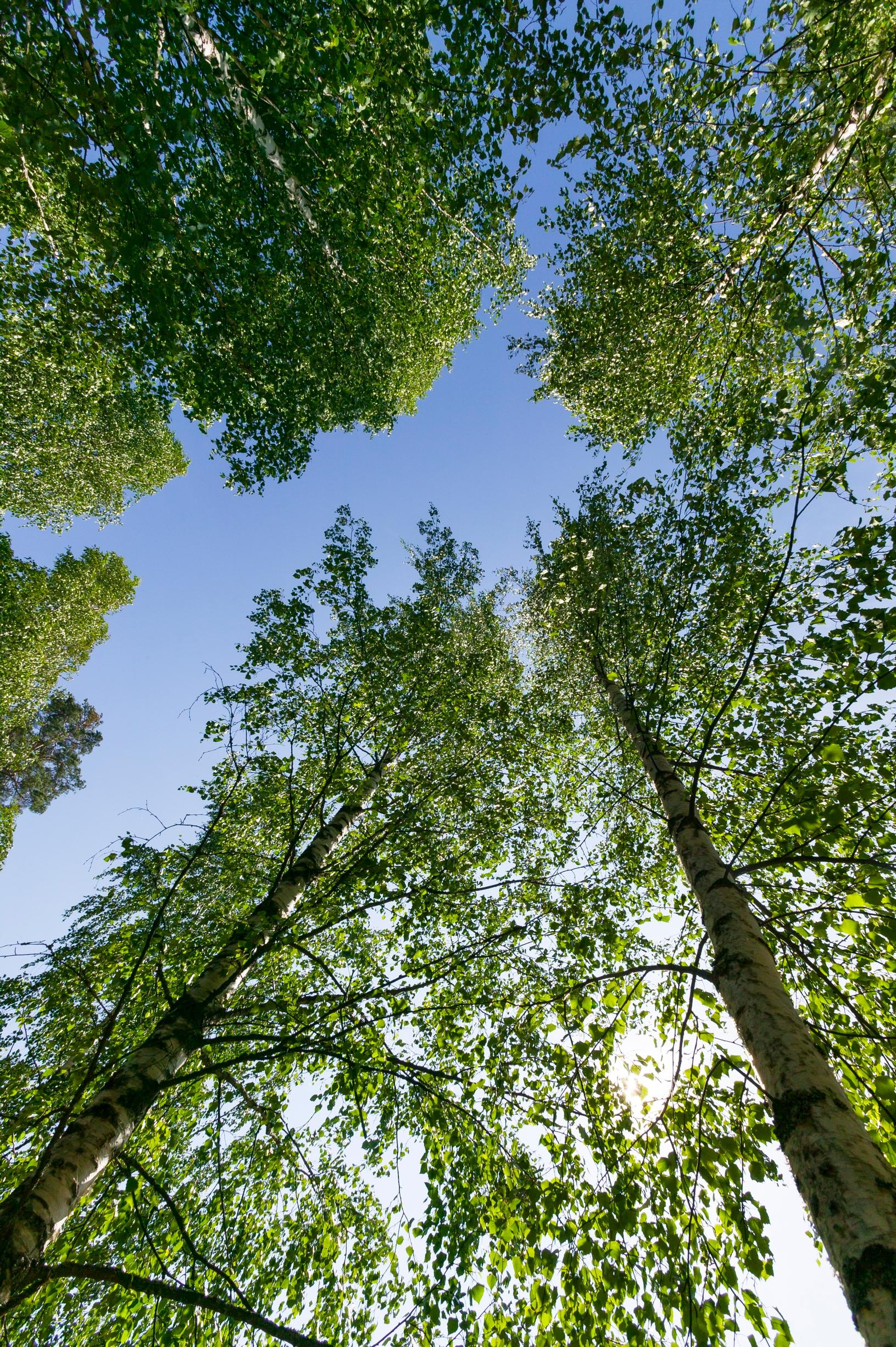
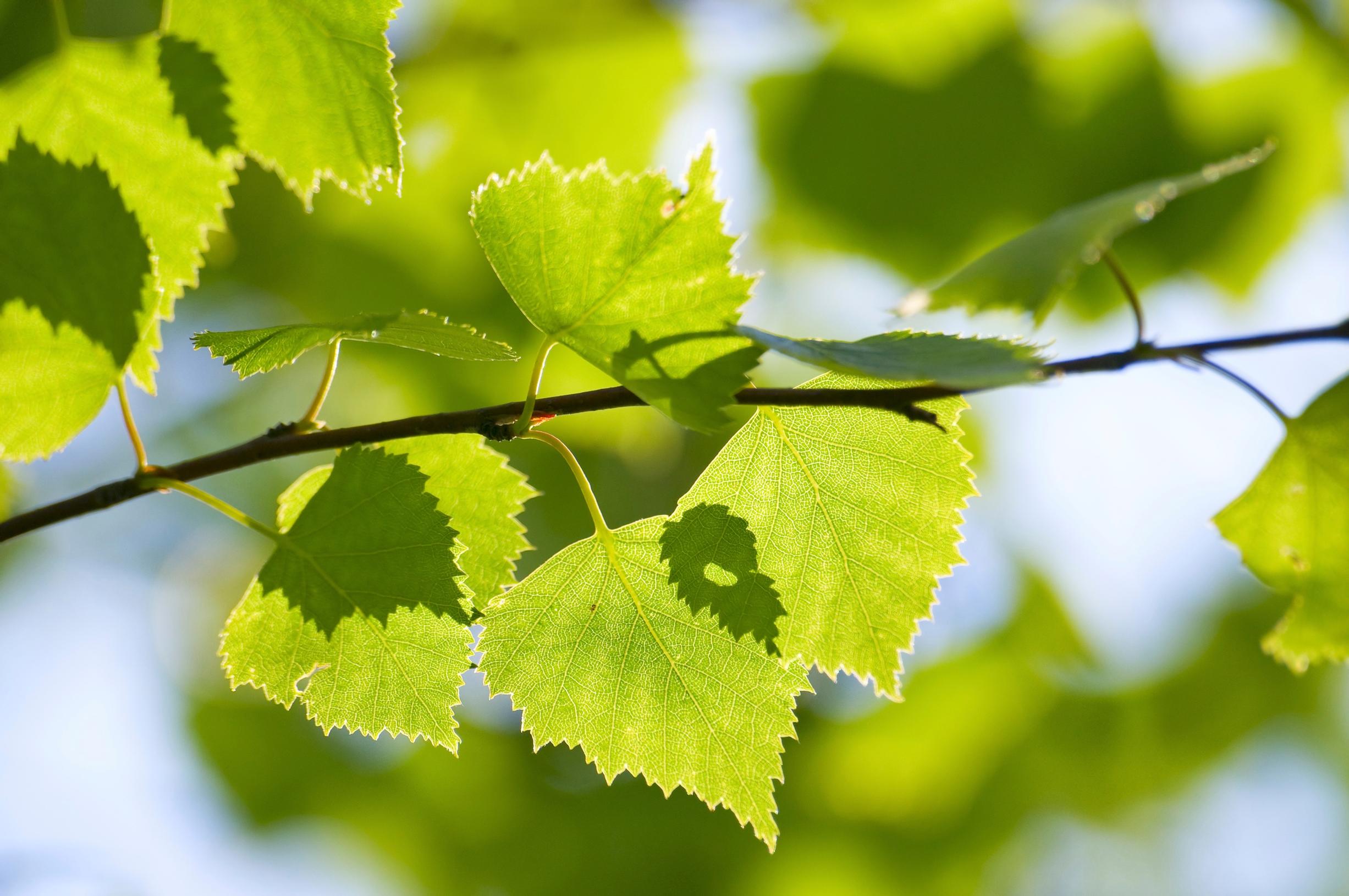
I pull on wool socks and slip into my Crocs, then settle into the garden swing with a book and a cup of coffee. Birch leaves rustle in the wind, birds chirp, and the stream babbles. What perfect conditions for getting lost in a story!
On the very first page I notice I’m reading the same sentence again and again. My thoughts jump to other things: This moment would make the perfect photo for Instagram… Did I remember to water the plants? Has anyone gotten back to my article idea yet?
How can this be so hard? I recall an article by a Finnish medical publisher that reported that the incidence of ADHD—attention deficit hyperactivity disorder—doubled across the whole population during the coronavirus pandemic. At the same time, use of digital devices shot up because of remote work and a reduction in leisure activities.

My first takeaway from the digital detox is how the surrounding silence inevitably reveals the inner noise in your head. When you’re glued to digital devices, you hardly notice your own mental chatter—and you feed it with a flood of stimuli. When that digital stimulus suddenly disappears, the mind’s restlessness can be surprising. Researcher Outi Ampuja, who also studies silence, recommends getting used to silence through activities.
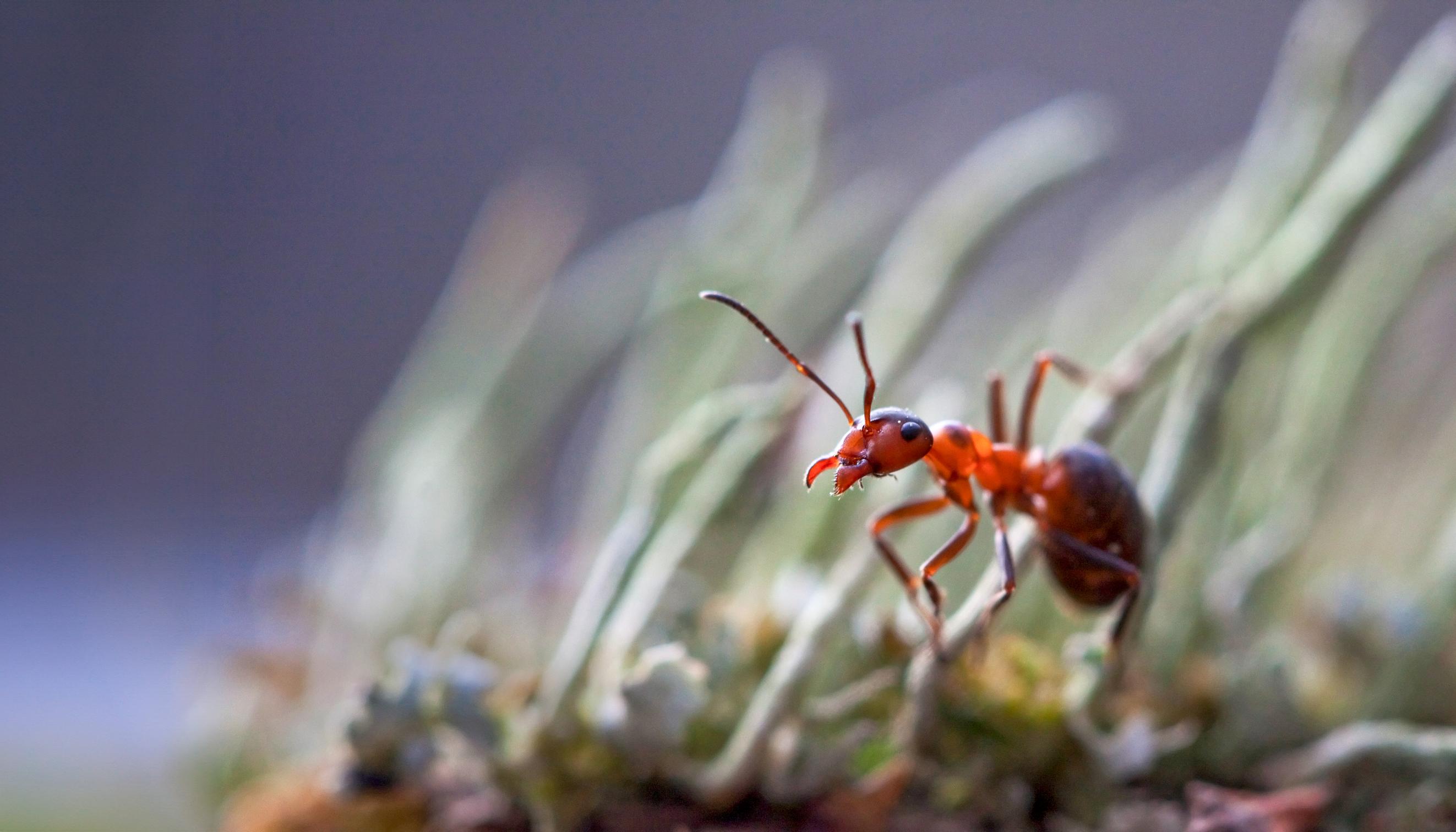
“Do whatever genuinely interests you: heat the sauna, pick flowers, fish, forage for berries, gather mushrooms, go hiking… Or just watch the birds and ants at work,” Ampuja advises.
Silence clarifies what’s most important to me right now. And it’s something very simple.
She reminds us that silence doesn’t mean the absence of sound; for most Finns it means peaceful nature sounds: birdsong, the wind’s hush, the rustle of leaves, and the lap of waves.
“A summer cabin is an important place of quiet for many. I’d guess that for quite a few people, one of the main reasons to go is to enjoy nature’s sounds.”
During a digital detox, you might focus on how the soundscape shifts with the time of day, Ampuja suggests.

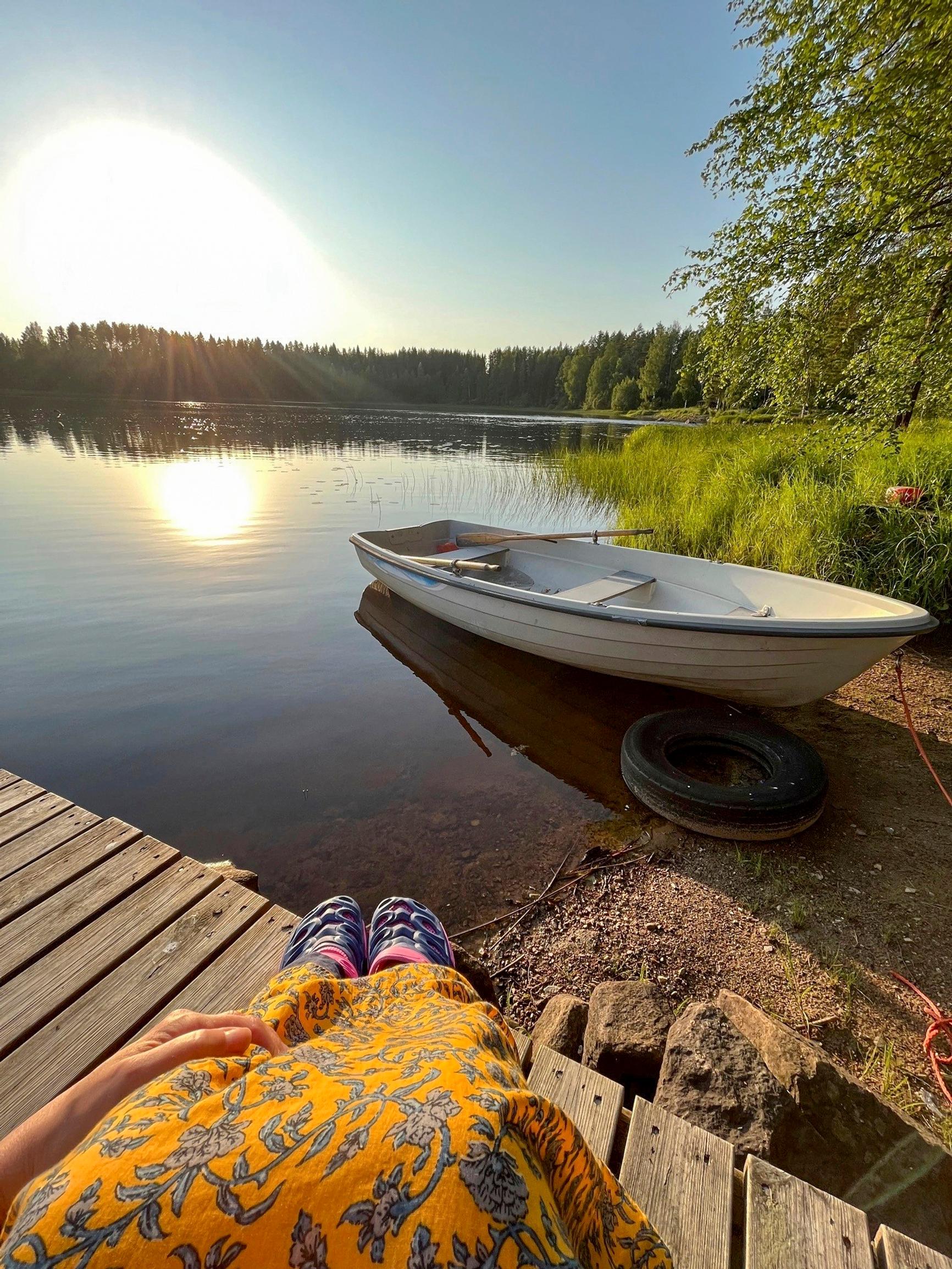

I head out rowing on the lake. Thoughts still stream into my mind, but I can feel the peace of nature calming me. A pike splashes in the reeds, and in that instant, I’m also right here, in this moment.
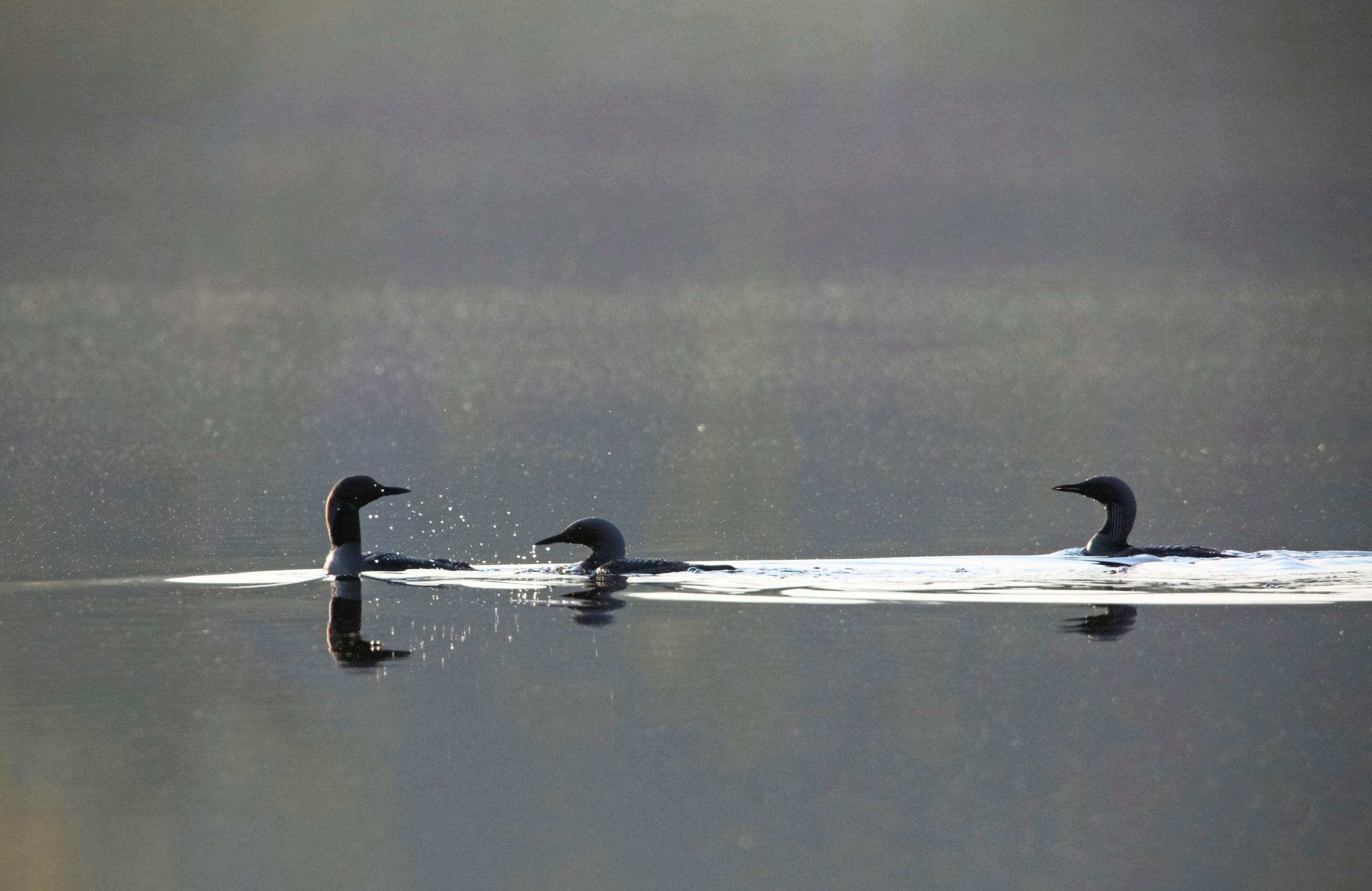
I glide across the lake in the boat, and instead of experiencing the moment through my phone’s camera, I’m completely part of it. I spot a loon family gliding toward the shore and a common gull diving for its catch. There’s so much happening all around me!
To my delight, I realize the rushed feeling has vanished. It happened simply by agreeing to experience this moment fully.
Nature’s balancing effect works amazingly fast, says Outi Ampuja.
“Just 5–7 minutes spent in peaceful nature lowers heart rate and blood pressure. Listening to nature sounds calms the body, speeds recovery from stress, and can be a good way to reflect on or strengthen your relationship with nature,” she says.
In the city, we unknowingly expose ourselves to environmental noise, and the list of its harms is long, notes Ampuja, who has studied the subject.
“For example, exposure to continuous traffic noise that exceeds risk thresholds can cause stress, weaken the immune system and short-term memory, and increase the risk of diabetes and cardiovascular disease. We’re adaptable and can cope there, but our species evolved in a natural sound environment. That’s why we don’t always feel so well in noise.”
Silence, on the other hand, is a powerful resource because it doesn’t require reacting to stimuli, Ampuja adds.
“Silence is a precondition for deep and creative thinking. Idle time is highly fertile for the brain, and wandering in nature can spark creative ideas.”

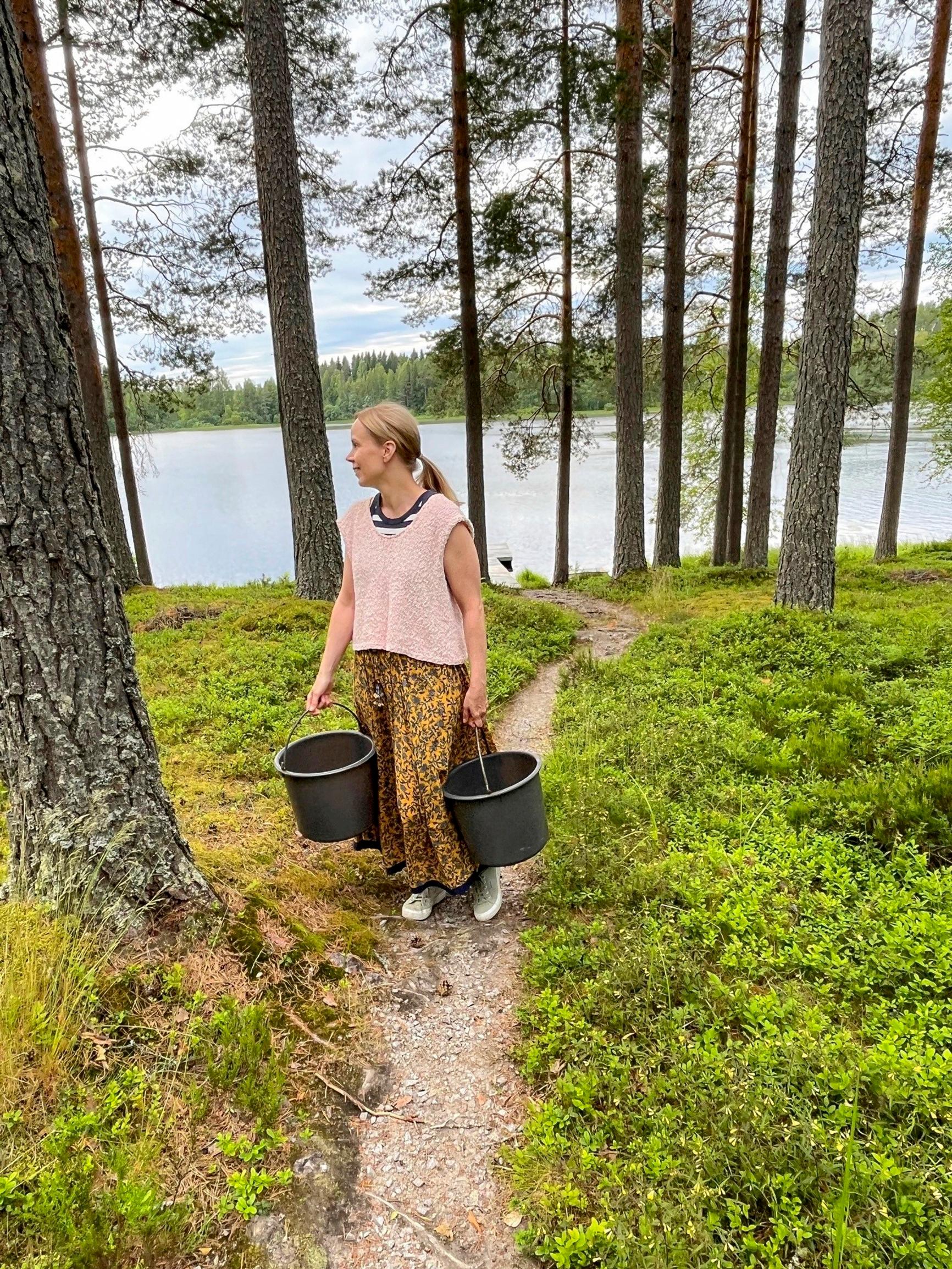

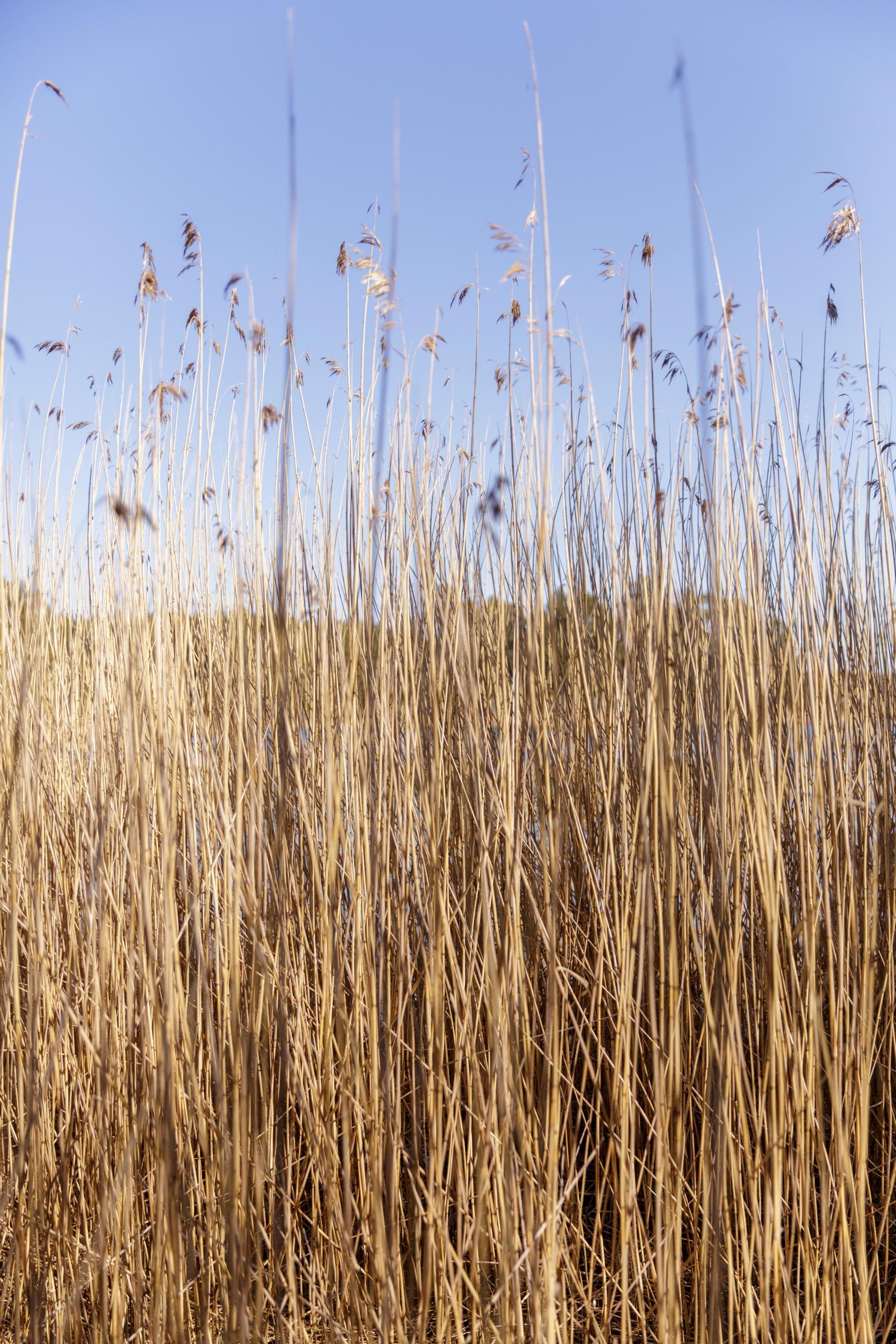
I notice this by the second day of my digital detox. When I’m not filling myself with the social feed, I start to hear my inner voice, my dreams, and my needs more clearly. Silence clarifies what’s most important to me right now. And it’s something very simple.
I heat the sauna and swim in a summer rain. I watch a mother bird flying back and forth to the birdhouse. I count the petals on the meadow flowers, and every different flower has five! I find wondrous patterns in the clouds. I walk barefoot and watch little fish from the dock.
This is how we ought to live, I think. A calm mind, hands busy with everyday tasks.
I get a lot done at the cabin, too: I clean the sauna entryway and the outhouse, change the sheets, gather a bouquet, and keep reading—this time with much better focus.
This is how we ought to live, I think. A calm mind, hands busy with everyday tasks—doing anything but scrolling through pictures of other people’s lives.
There’s no single right way to do a digital detox, Outi Ampuja reminds us. The key is to enjoy silence in the way that suits you—and not turn the detox and savoring of quiet into a stress-inducing performance.

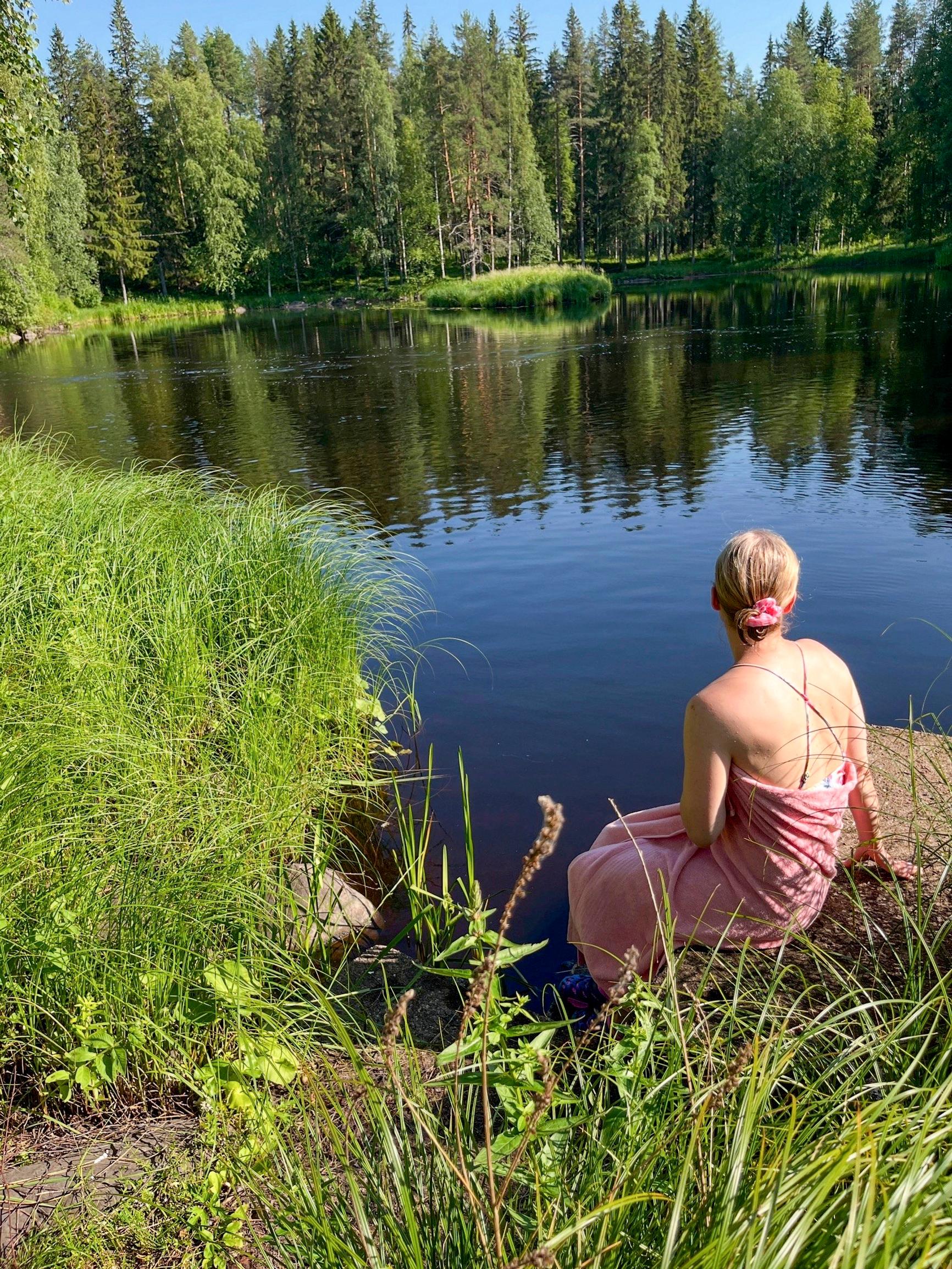

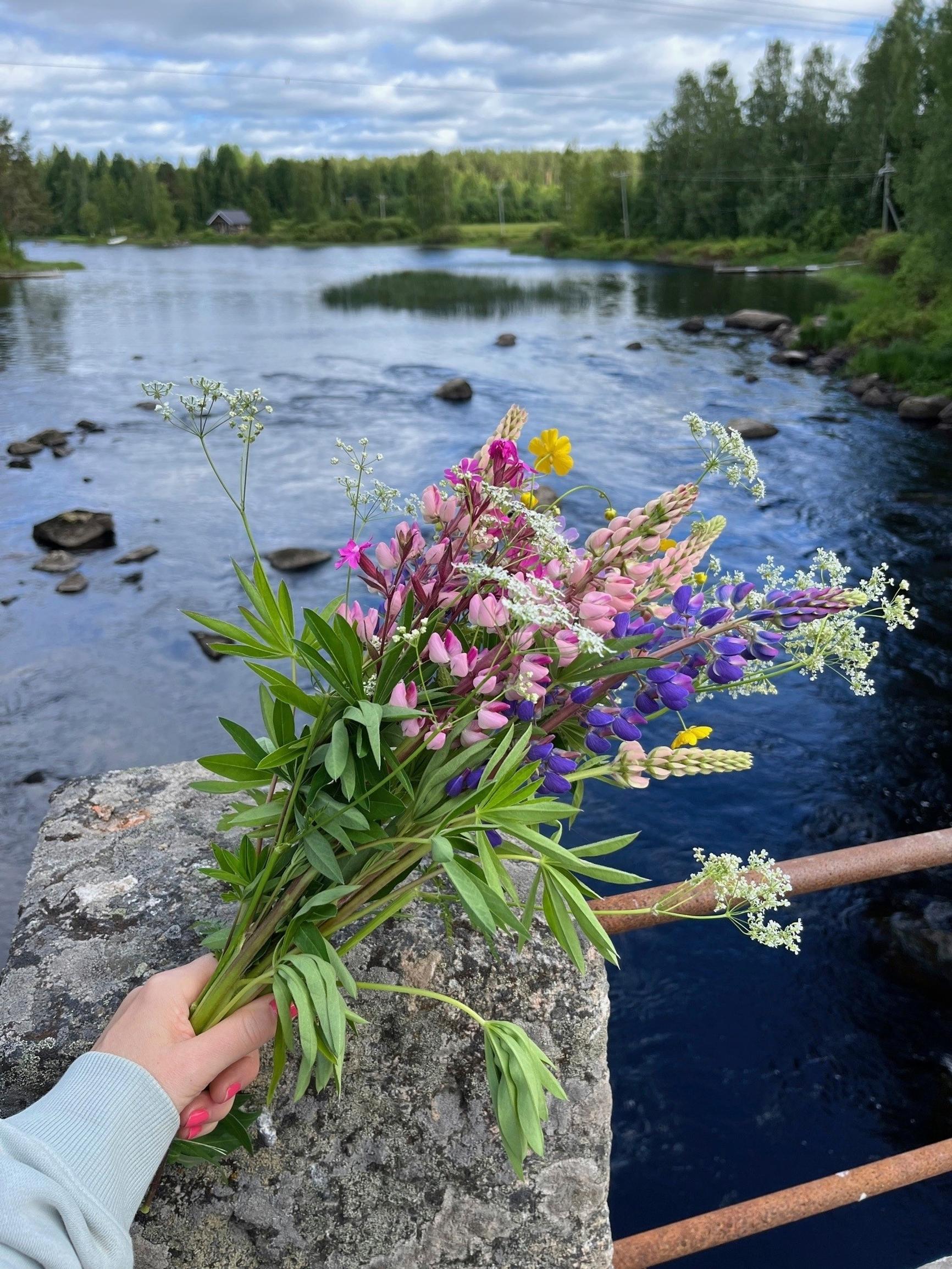
Personally, I don’t miss digital devices over the four days—in fact, quite the opposite. A thought crosses my mind: if only I never needed a phone again. The TV’s offerings don’t tempt me either, now that my eyes have opened to nature’s expansive program.
It’s comforting how quickly a mind overloaded by smart devices can recover. For me, just two days without a phone were enough to restore my lost peace of mind; after four, I didn’t miss the phone at all.
When I finally open my phone at the end of the digital detox and the social feed flashes back before my eyes, it feels like I’ve turned on a meaningless ad channel. I have no interest whatsoever in spending time scrolling it, so I close the app right away.
I want to prolong the calm and sense of connection to myself and my surroundings that I found at the cabin. Even back in the city, I can choose what I focus on. I want to turn my gaze to the trees, the birds, and the people around me—to this fleeting life happening all around.