

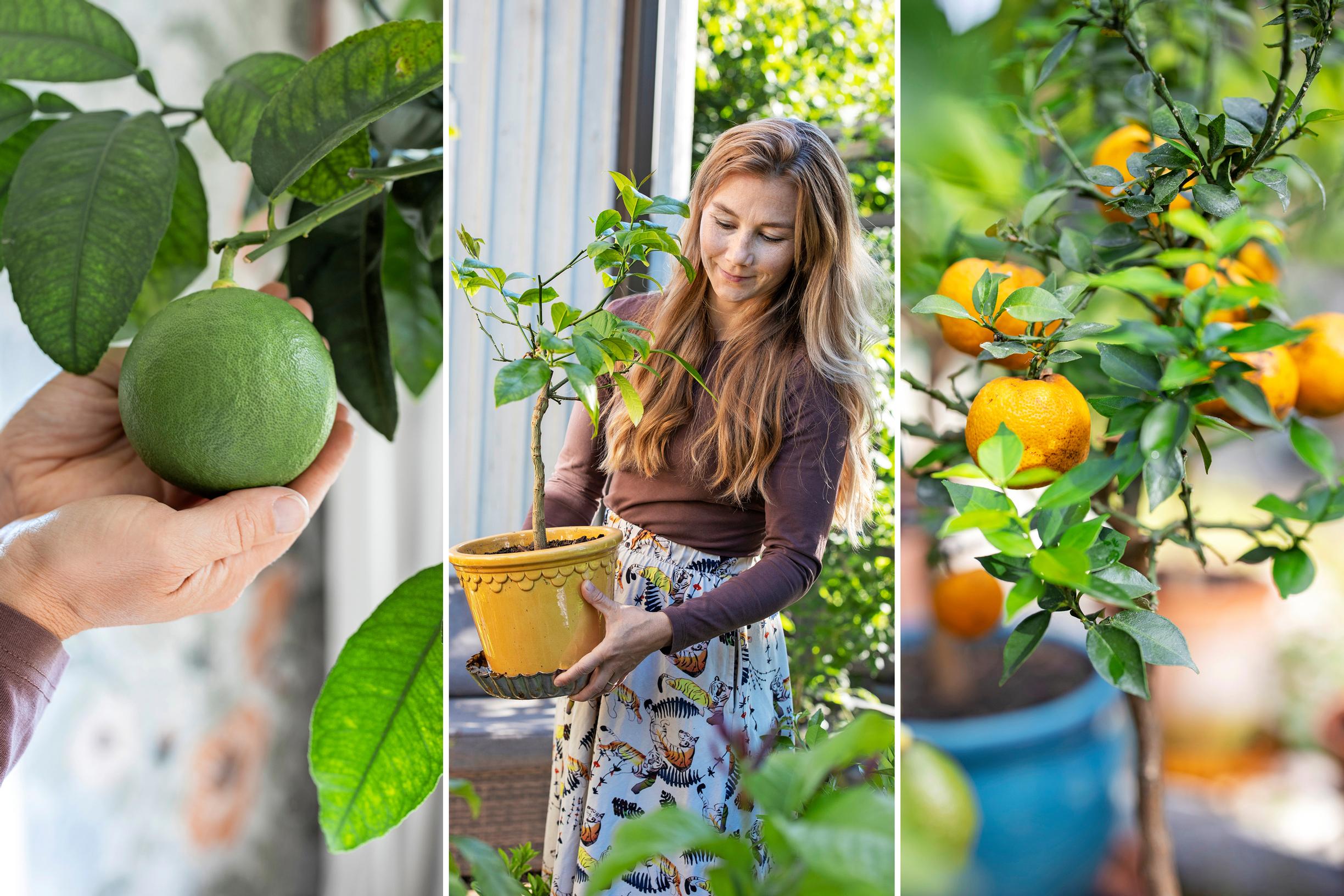
Virpi’s first citrus trees died—then she discovered how to make them bloom and bear fruit
Despite a tough start, Virpi Lindholm got into growing citrus trees. Today, she grows more than ten different varieties at home, and their blossoms are the highlight of her hobby. Check the end of the article for Virpi’s tips!
Virpi Lindholm lives with her family in a sturdy Finnish house. Its large living room windows face south and sparked her interest in citrus about four years ago.
“My sister was into citrus before I was. She thought they’d be perfect for our windows. I wasn’t immediately thrilled with the idea, but when I found an inexpensive Meyer lemon on sale, I bought it. Even though I did everything I could, I couldn’t get it to thrive. My second Meyer didn’t survive either,” she says.

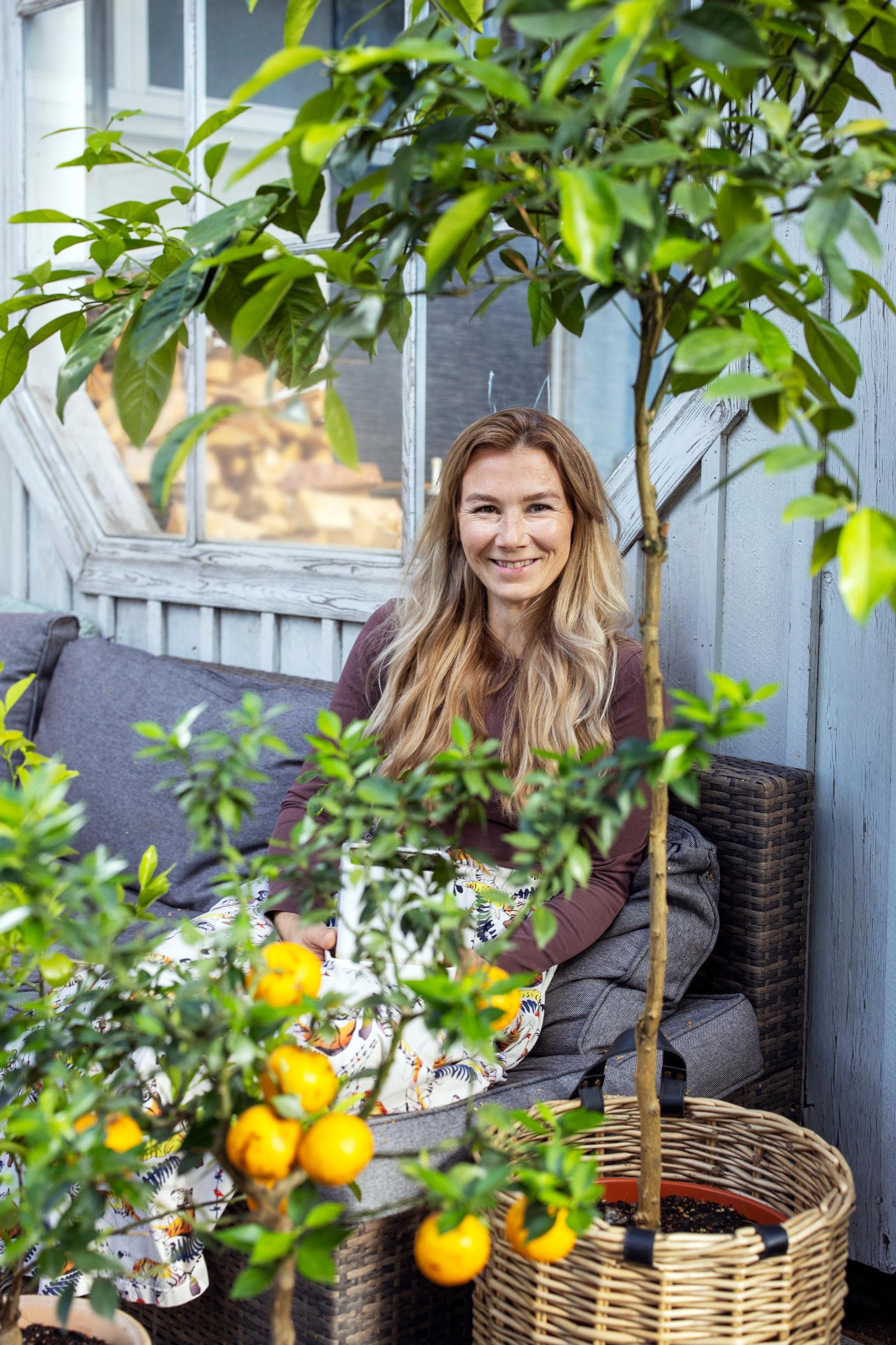
Virpi doesn’t give up easily, and those initial challenges only encouraged her to study citrus more thoroughly. She realized that, in Finland’s conditions, citrus trees absolutely need supplemental light in winter, even by a south-facing window. Adequate light is one of the most important prerequisites for success. Perhaps she had also been watering them too much.
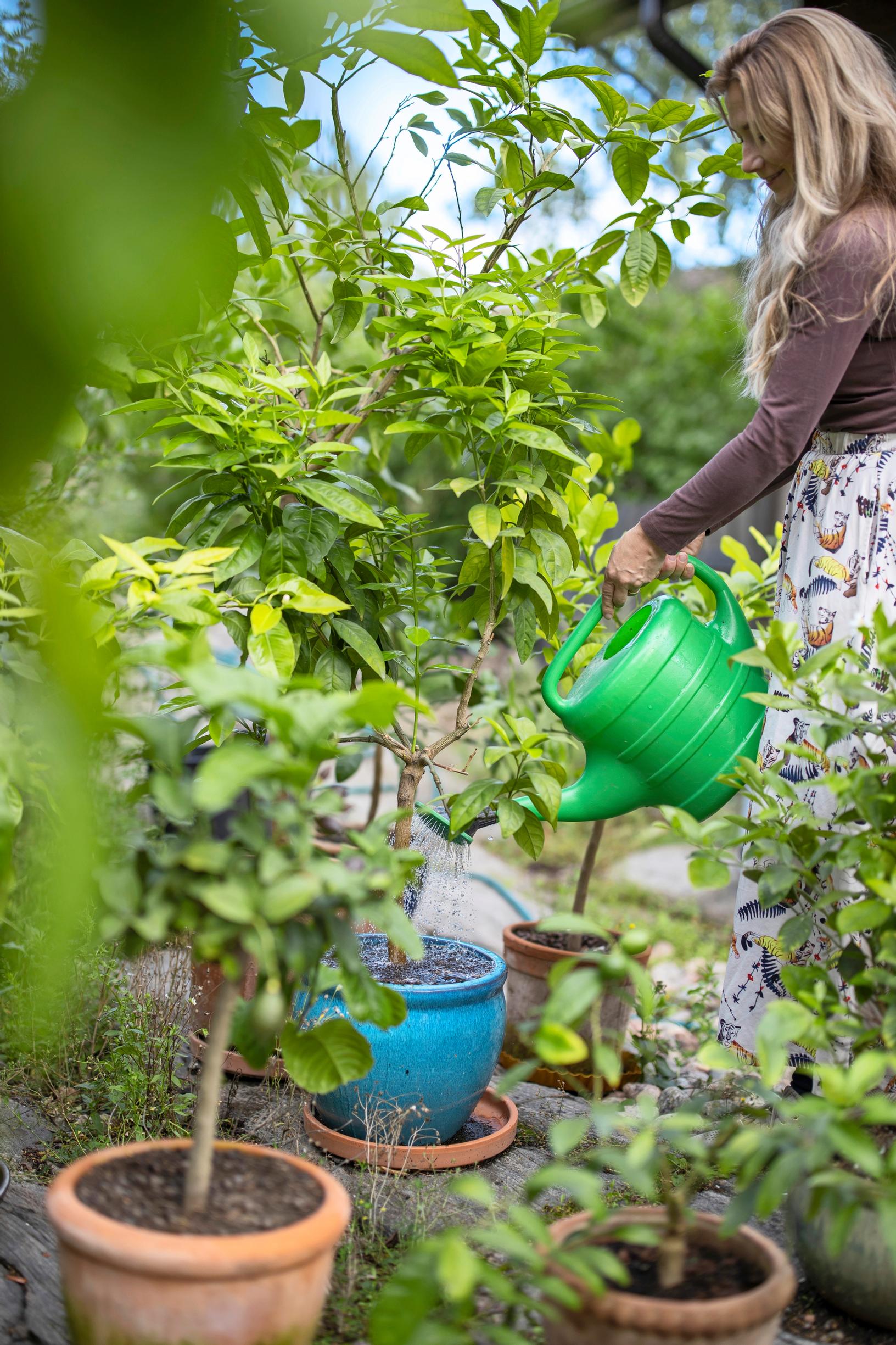
Nowadays Virpi knows that especially in winter, watering should be done sparingly, and you should let the pot’s surface soil dry before watering again.

Right now, Virpi’s home is filled with more than ten different kinds of citrus.
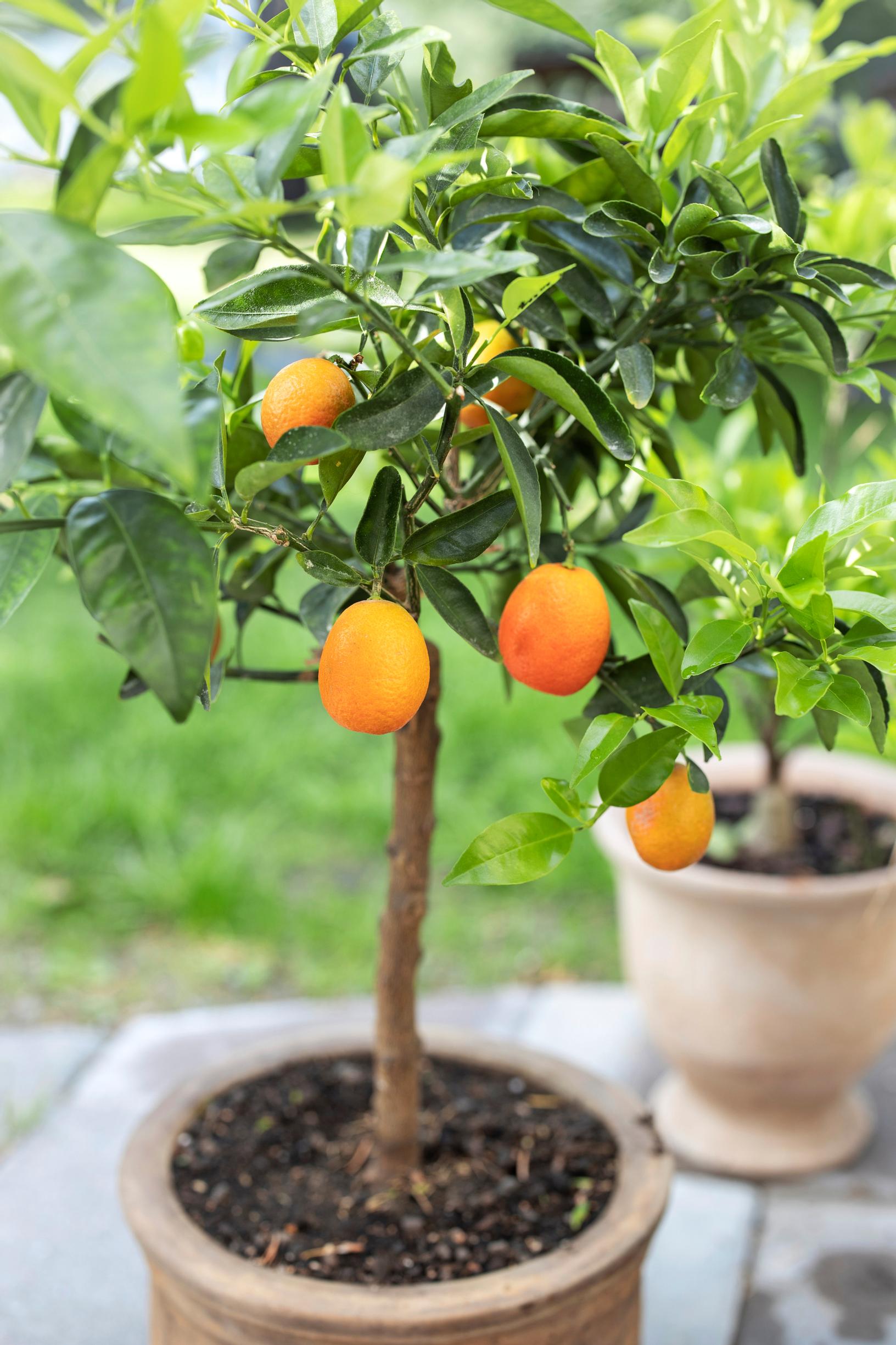
Gradually, new members of the Citrus genus have found their way into the Lindholm household, bringing the total to more than ten different varieties. Virpi prefers grafted citrus trees, because their trunk doesn’t grow taller—only the crown of these small trees gets bushier.


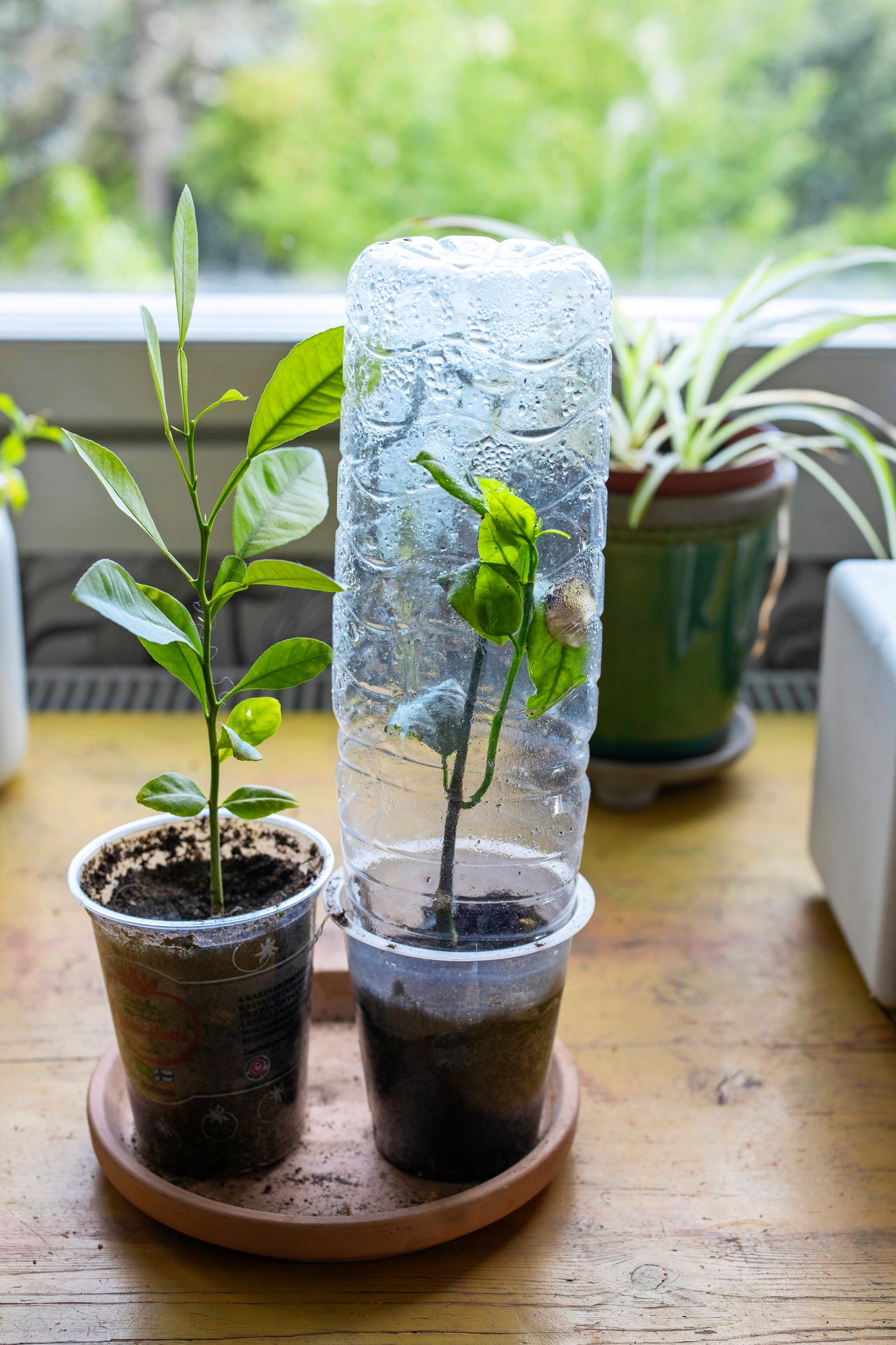
“I don’t have the patience for growing from seed [in Finnish]. It would take about 15 years before you see flowers and fruit. However, I have bought Sorrento lemons at the store with a small piece of branch attached and taken a cutting from that. It starts flowering much sooner than something grown from seed.”

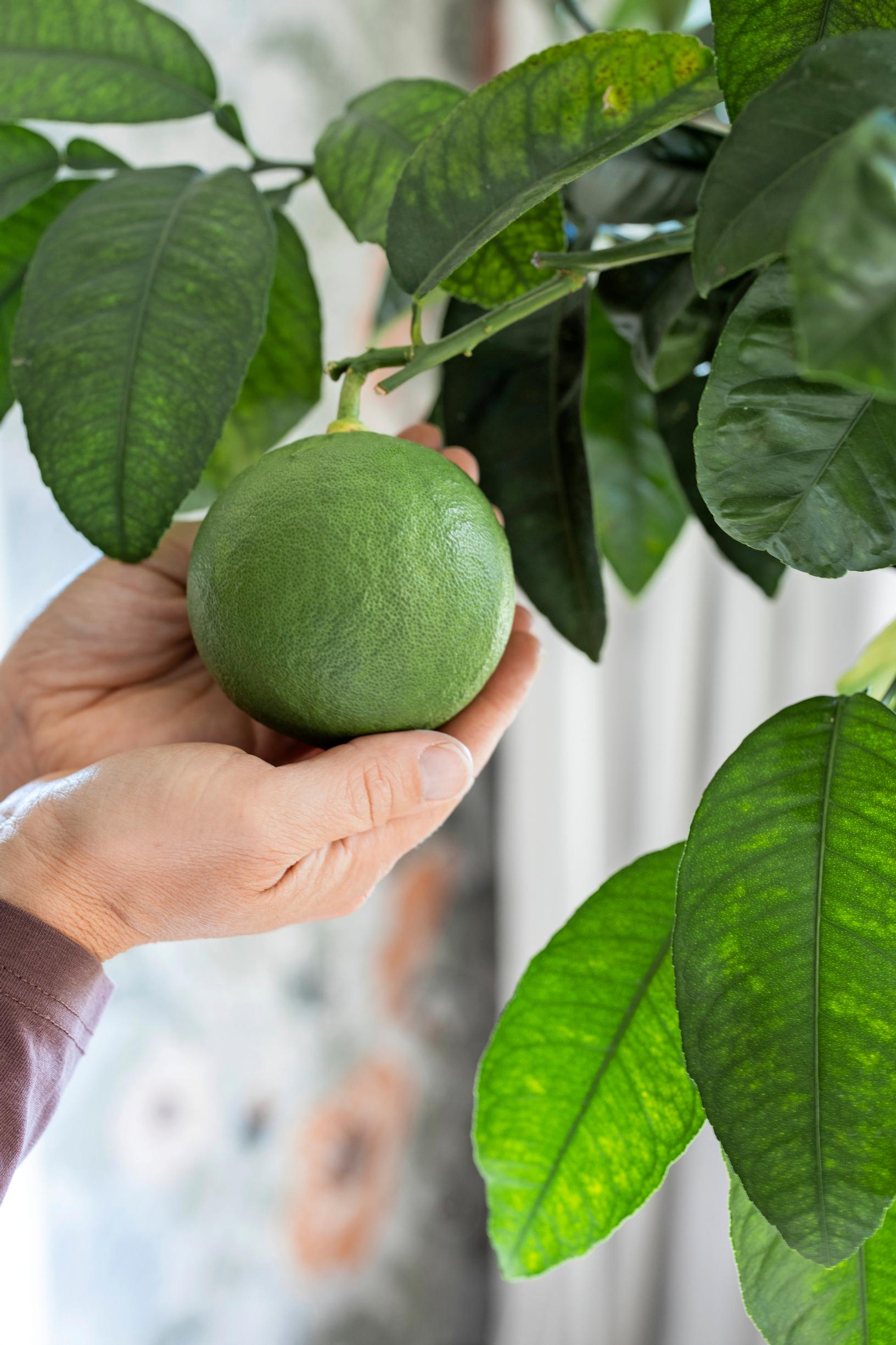
Many enthusiasts see Meyer lemon as the easiest citrus, but that’s exactly where Virpi first had problems. Wrinkled lime is considered difficult, but it has done really well in her home. In Virpi’s view, the plant’s size matters more than the variety—larger citrus trees are easier to care for. She believes this is because of their extensive root system, which keeps them in better balance than smaller seedlings.

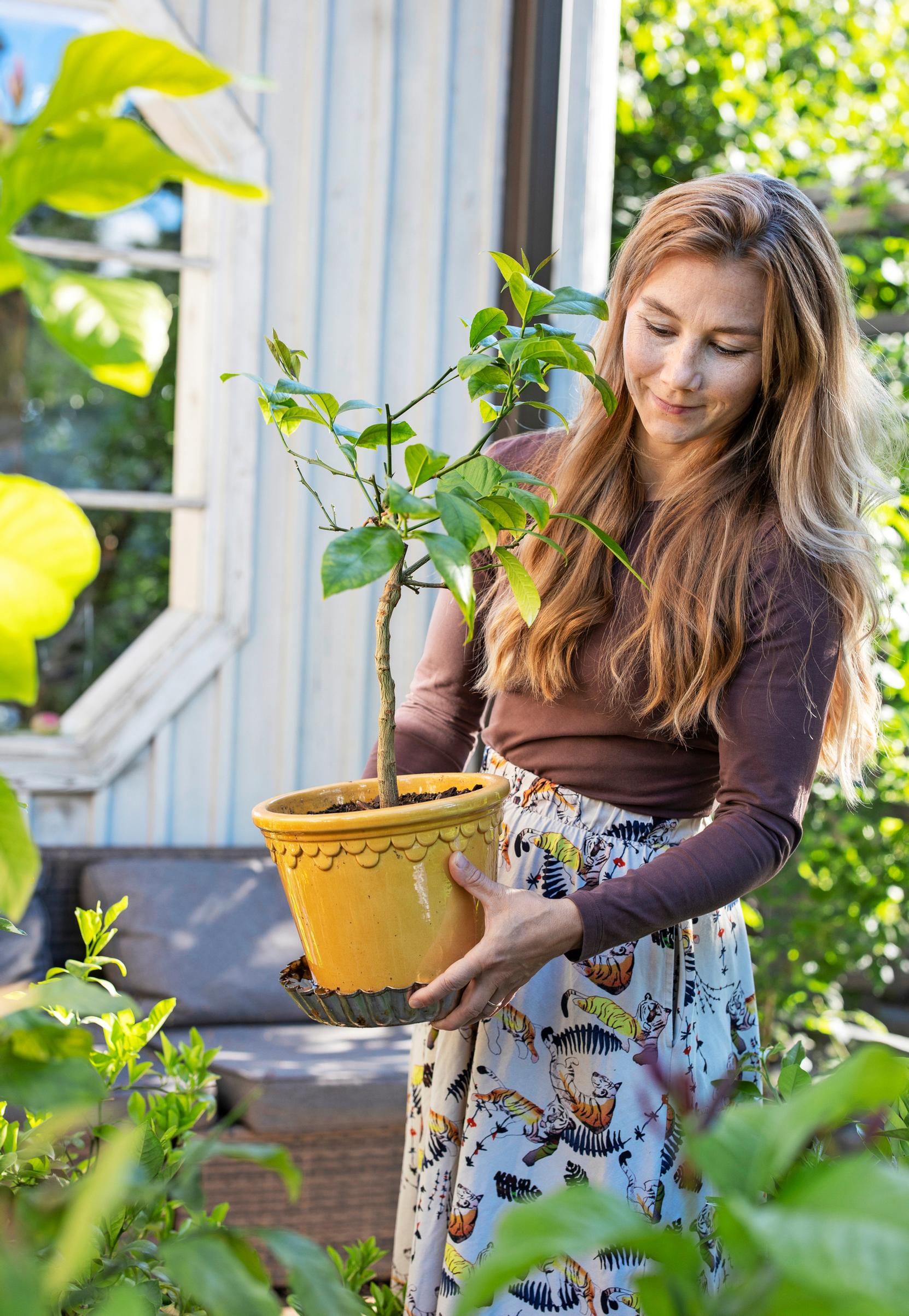

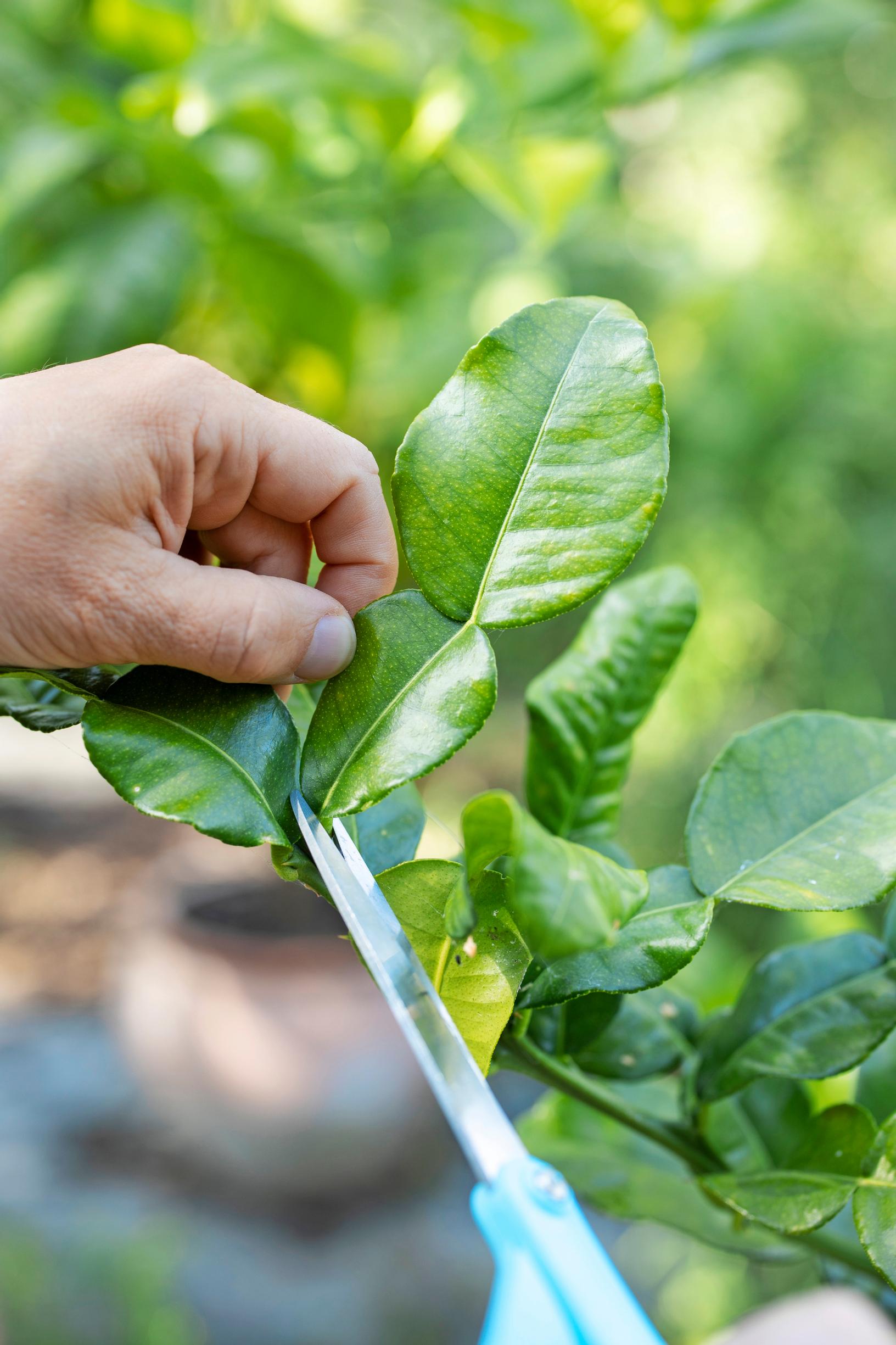
In general, citrus trees are easily upset. Even minor movement or even just turning the pot can make them drop all their leaves—Virpi’s Rangpur lime has shed its leaves three times. Virpi leaves her plants where they are on the window from fall until early summer, when she carries the pots outside.
“You really work up a sweat hauling the pots in and out, and there are steps on the way too. Time outside is crucial. That’s when citrus trees grow plenty of new leaves, their fruits begin to gain color, and the flowers open quickly.”

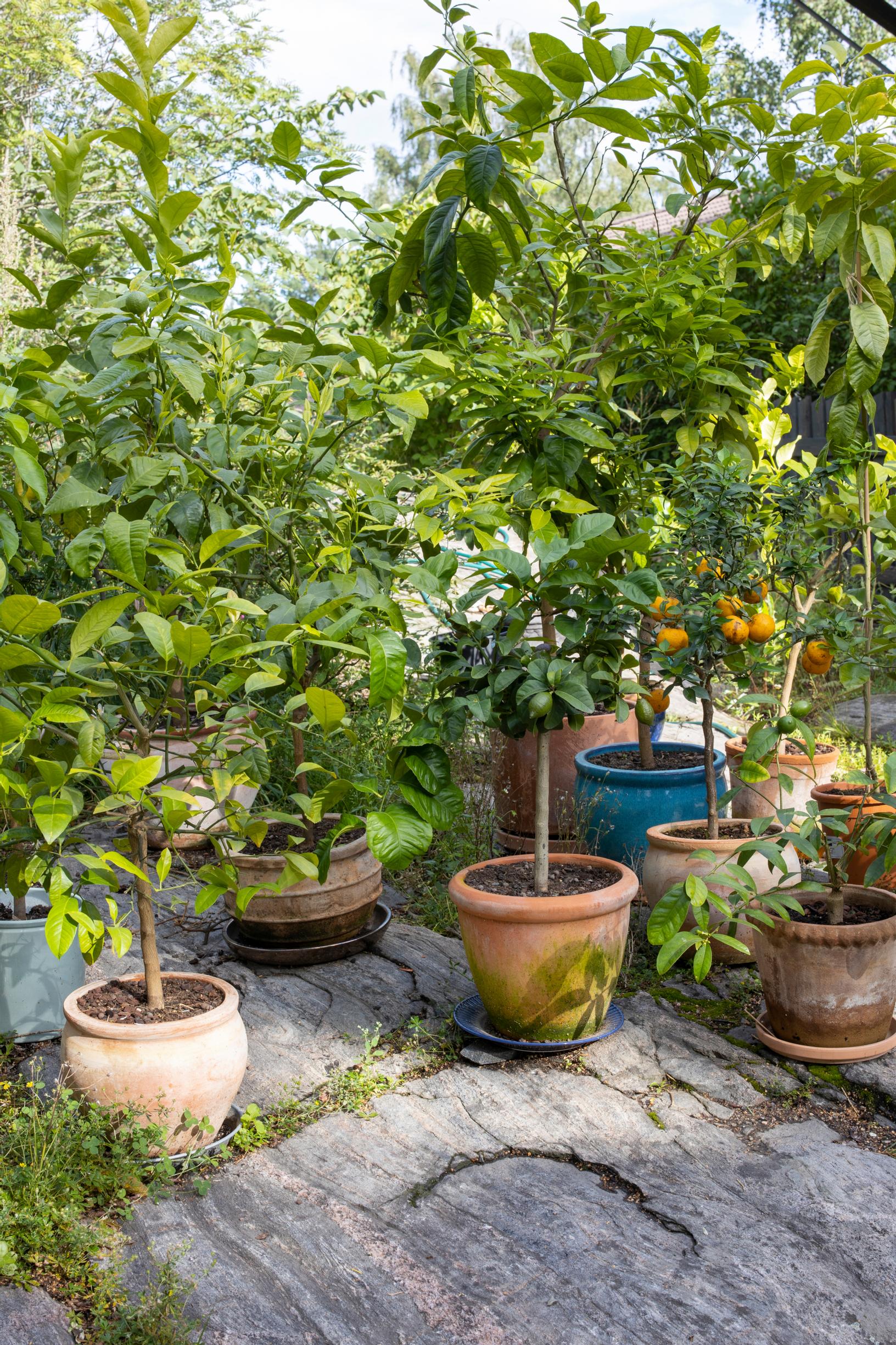

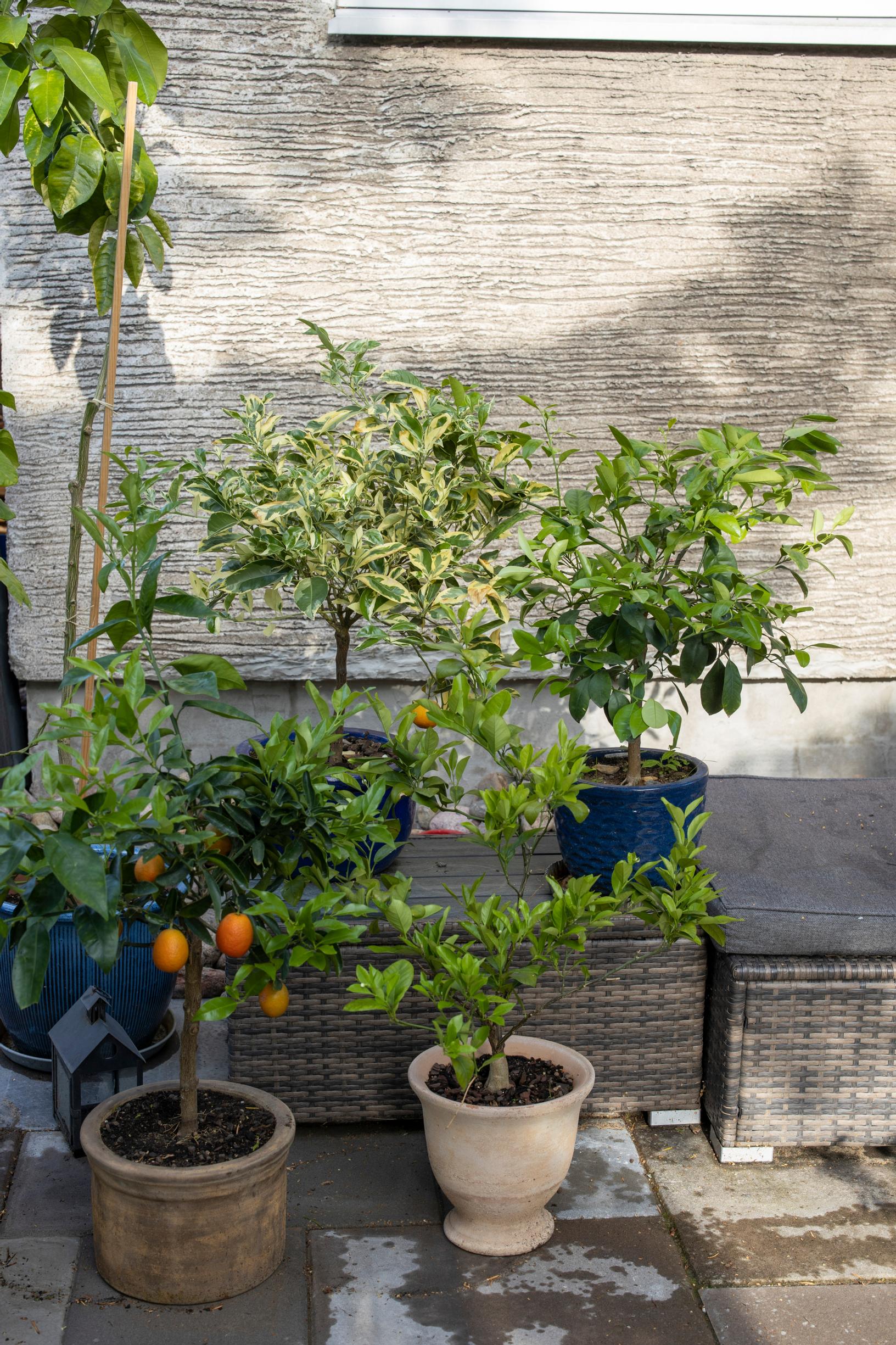
Virpi has bought citrus trees from garden centers and hardware stores, but they rarely offer very large plants. If she does find a big one, the price can be steep. Her largest plants come from foreign online shops.
“I’ve always been lucky; the plants have had thick trunks and been in good shape, though I’ve heard different experiences from other enthusiasts. A large citrus tree costs about 70 euros in Germany, for instance, but shipping can add quite a bit.”

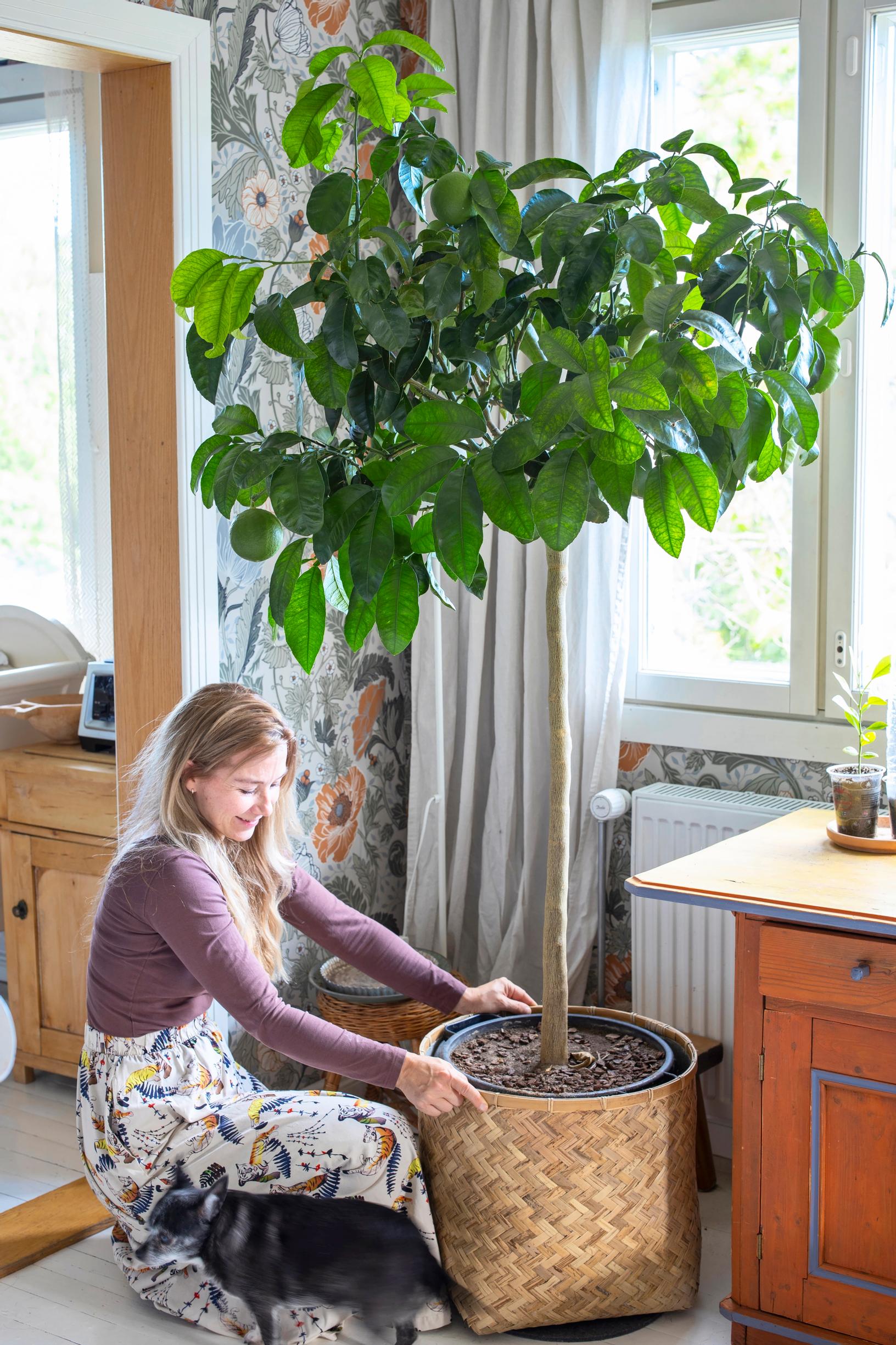
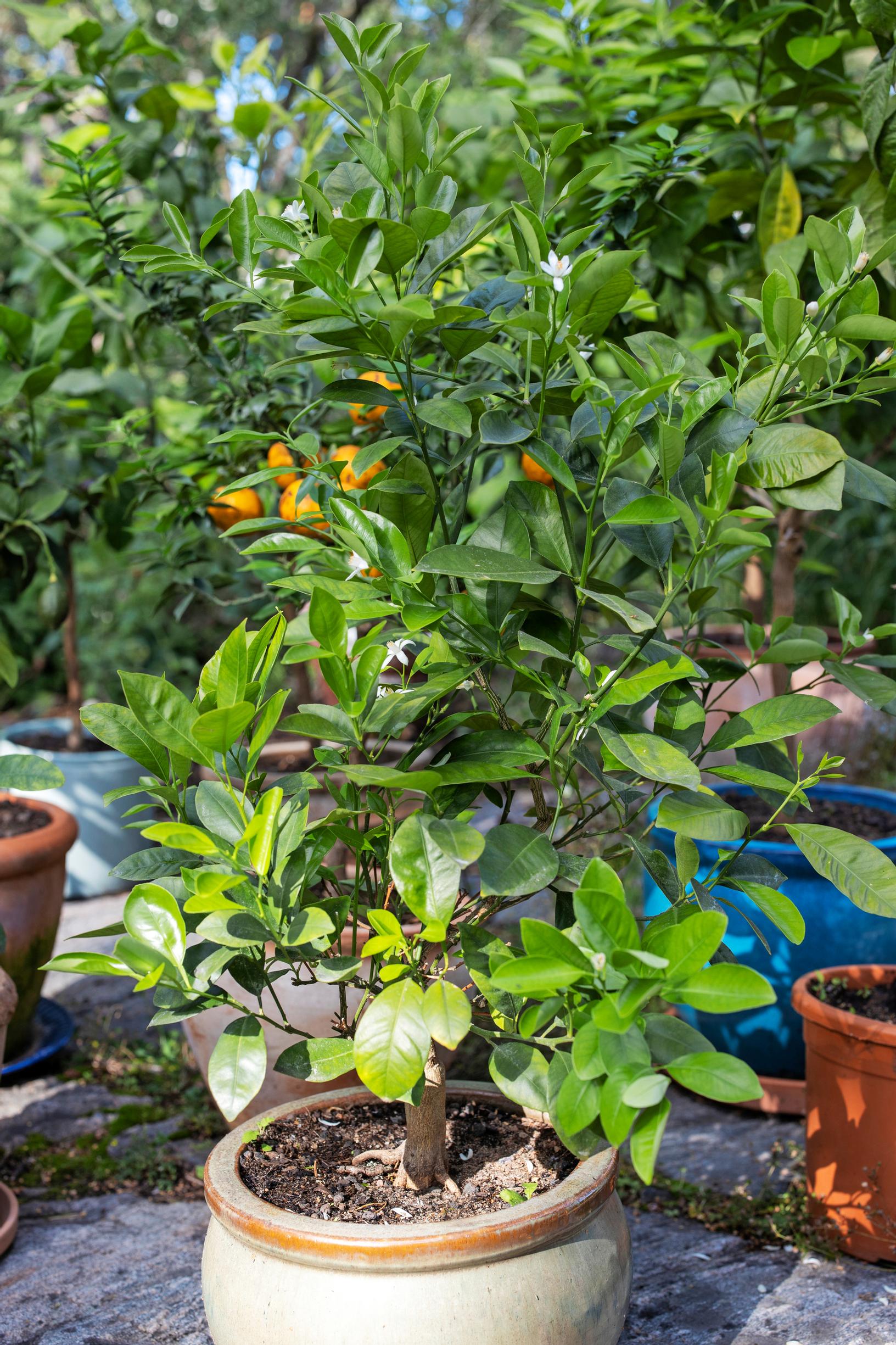
Virpi’s considers flowering season the highlight of the hobby.

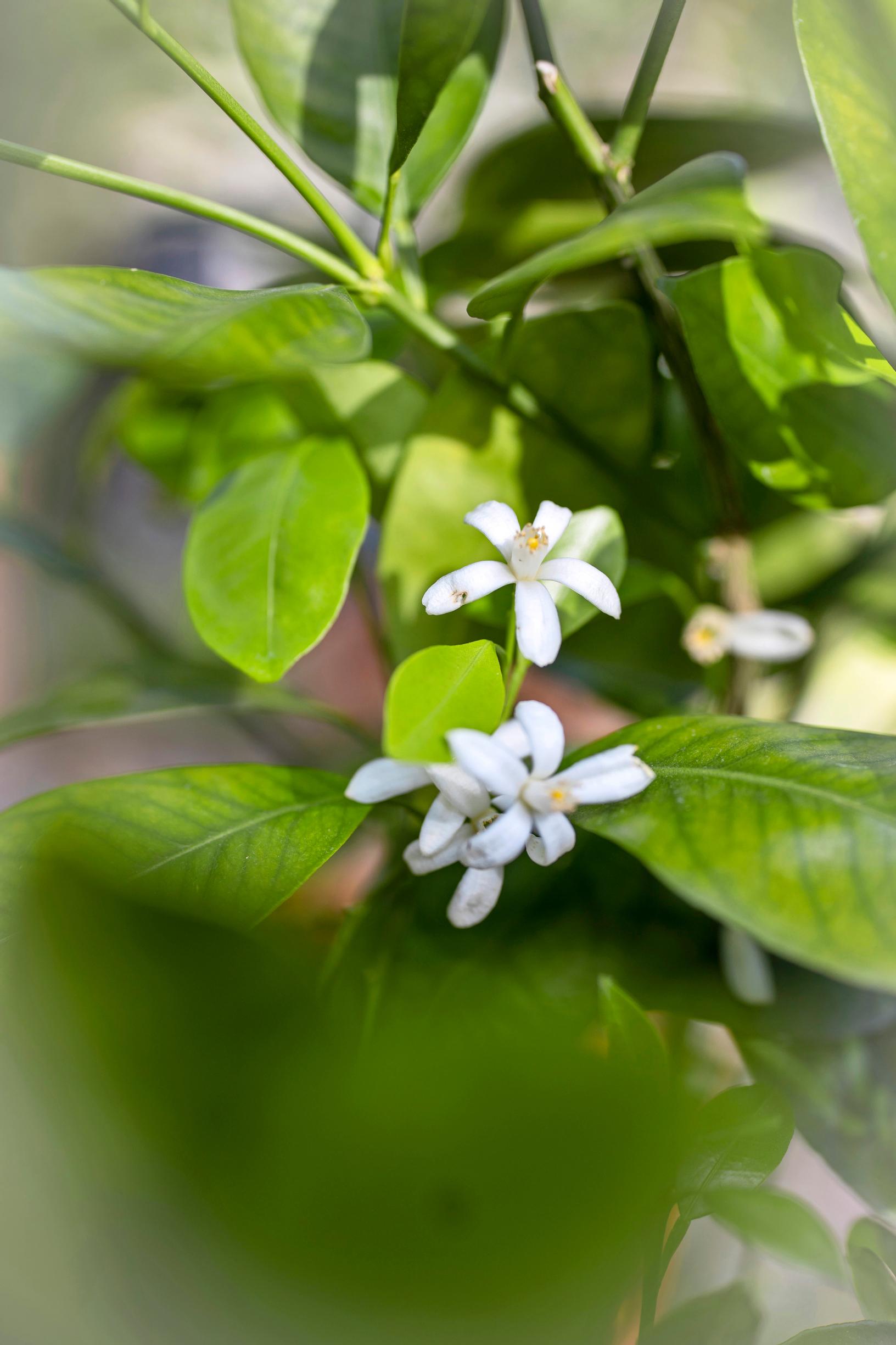
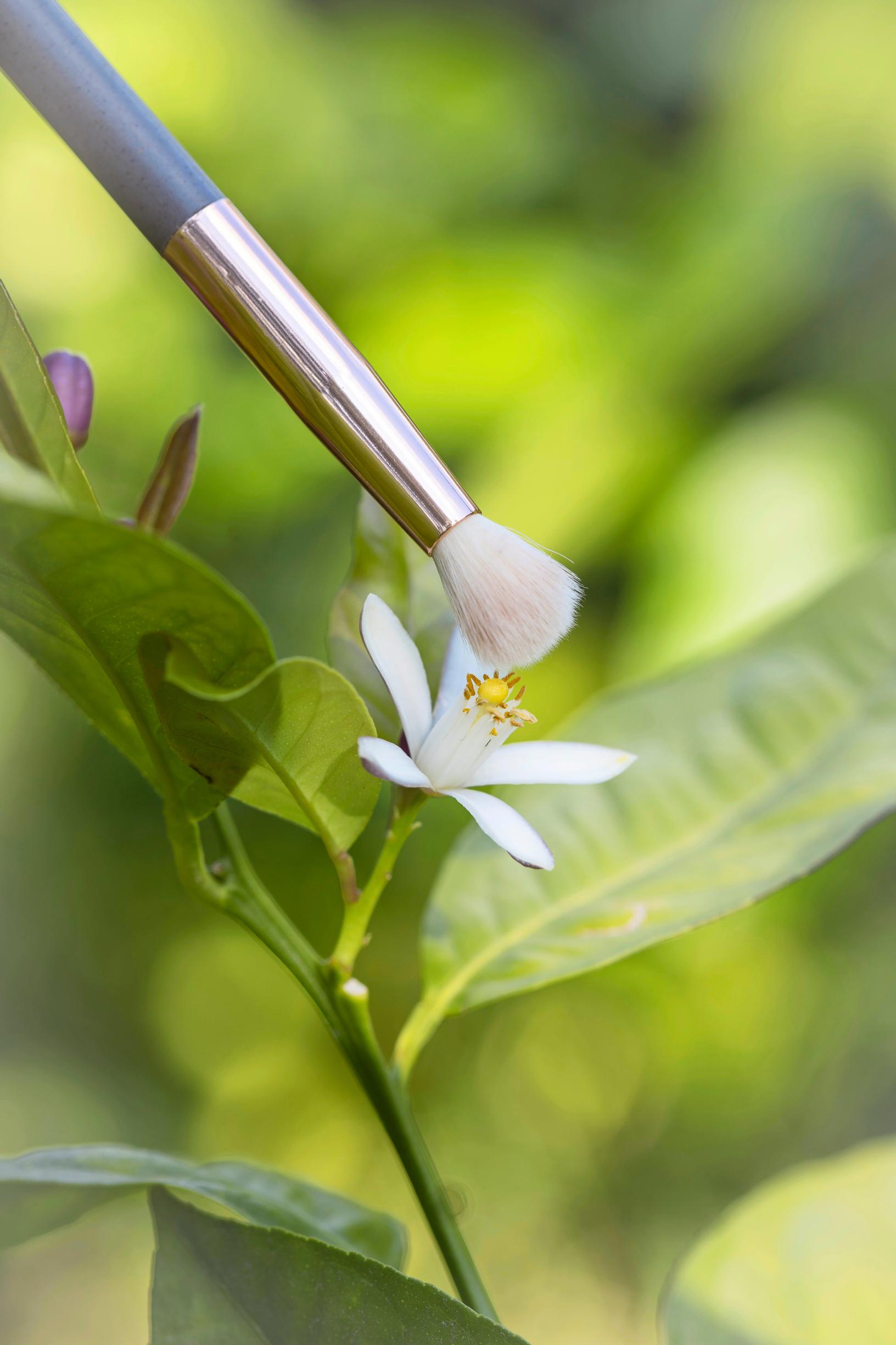
Flowering is the highlight of the citrus hobby, according to Virpi. When her plants bloom indoors, she gently dabs the flowers with a small paintbrush to encourage pollination. Outdoors, pollination takes care of itself.

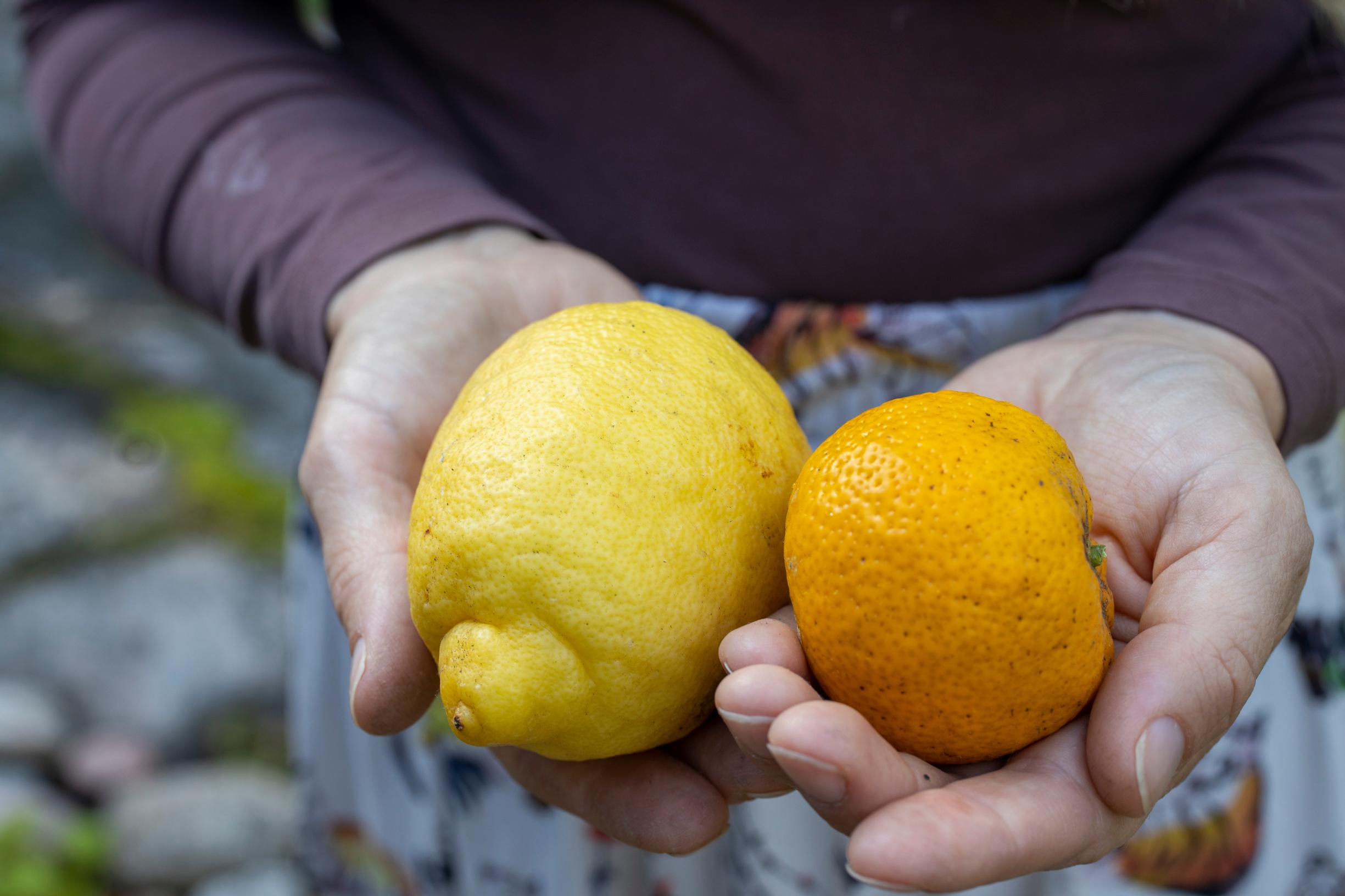
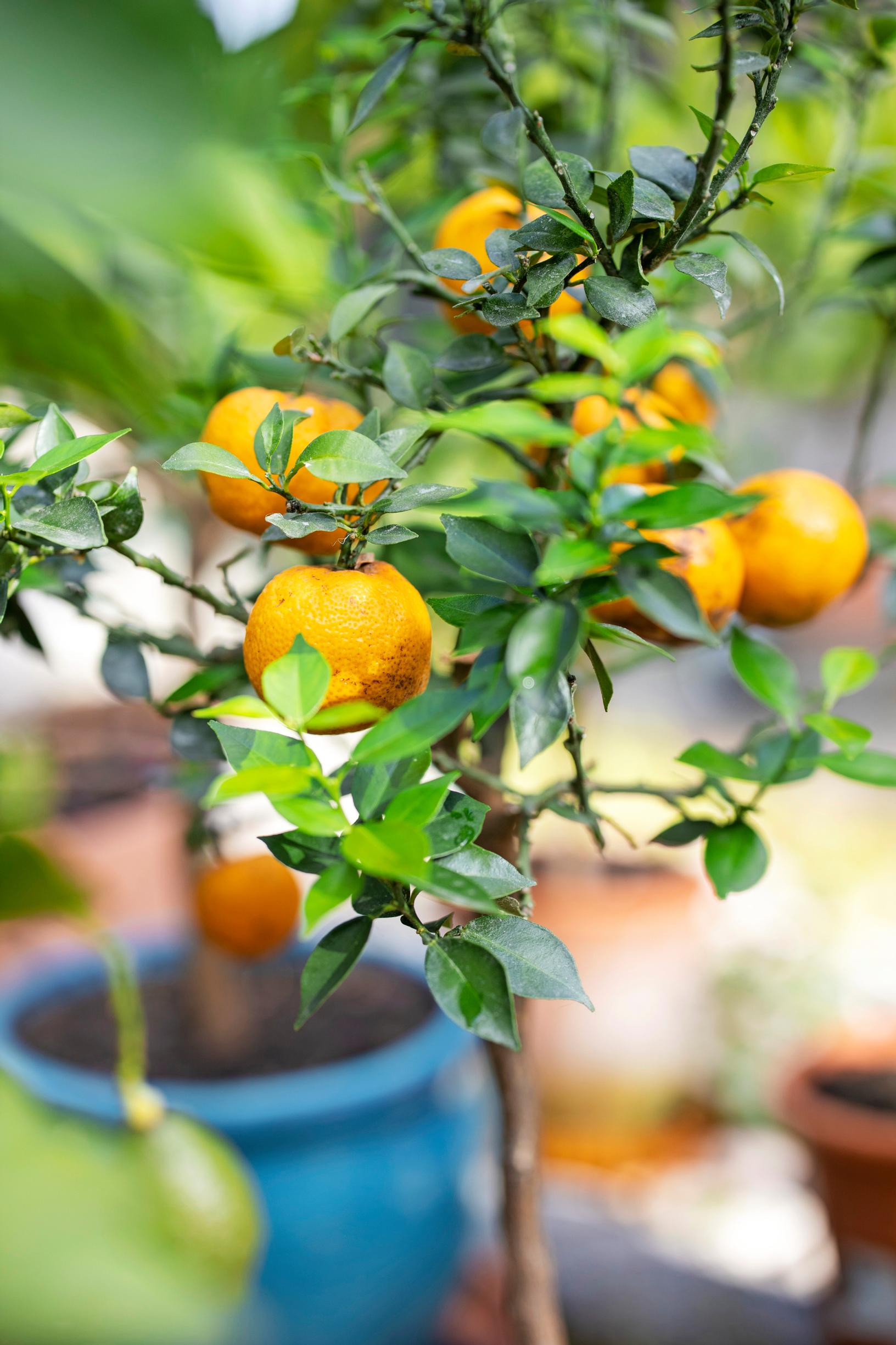
If all goes well, your next treat is watching the fruits gradually ripen. Citrus fruits take about a year to mature. However, the trees often drop their young fruits if they feel there isn’t enough light.
“I’ve rarely gotten to taste the fruits. I squeezed my first lemon onto a salad.”






Citrus trees in pots—Virpi’s tips
Choose the right soil
A potting mix specifically intended for citrus, sometimes called “Mediterranean potting mix,” is best. It can be quite pricey, so you can make a soil blend by mixing in half rhododendron mix. The most important thing is that it should be slightly acidic and airy.
Go for terracotta
Citrus does better in a pot made from a breathable material like terracotta rather than plastic.
Water when it’s dried out a bit
Before watering, push your finger into the soil to make sure it’s dry. Use a special citrus fertilizer for feeding.
Provide winter light
In Finland’s conditions, citrus trees need extra artificial lighting from October to March in addition to natural daylight. Even plants that have dropped all their leaves often recover under a strong grow light. During winter rest, they do best in a spot slightly cooler than normal room temperature, about 15–18 °C (60–65 °F).
Don't move them
Let your citrus grow in one place without turning or moving the pot. Moving it unnecessarily forces the plant to change its growth direction toward the light all at once, which adds stress. In the worst case, even a small change in light conditions can make it drop its leaves.

