Your cart

Your cart is empty.

Continue shopping
You'll love these, too
Cast your own glow

Making a candelabra from concrete and wood

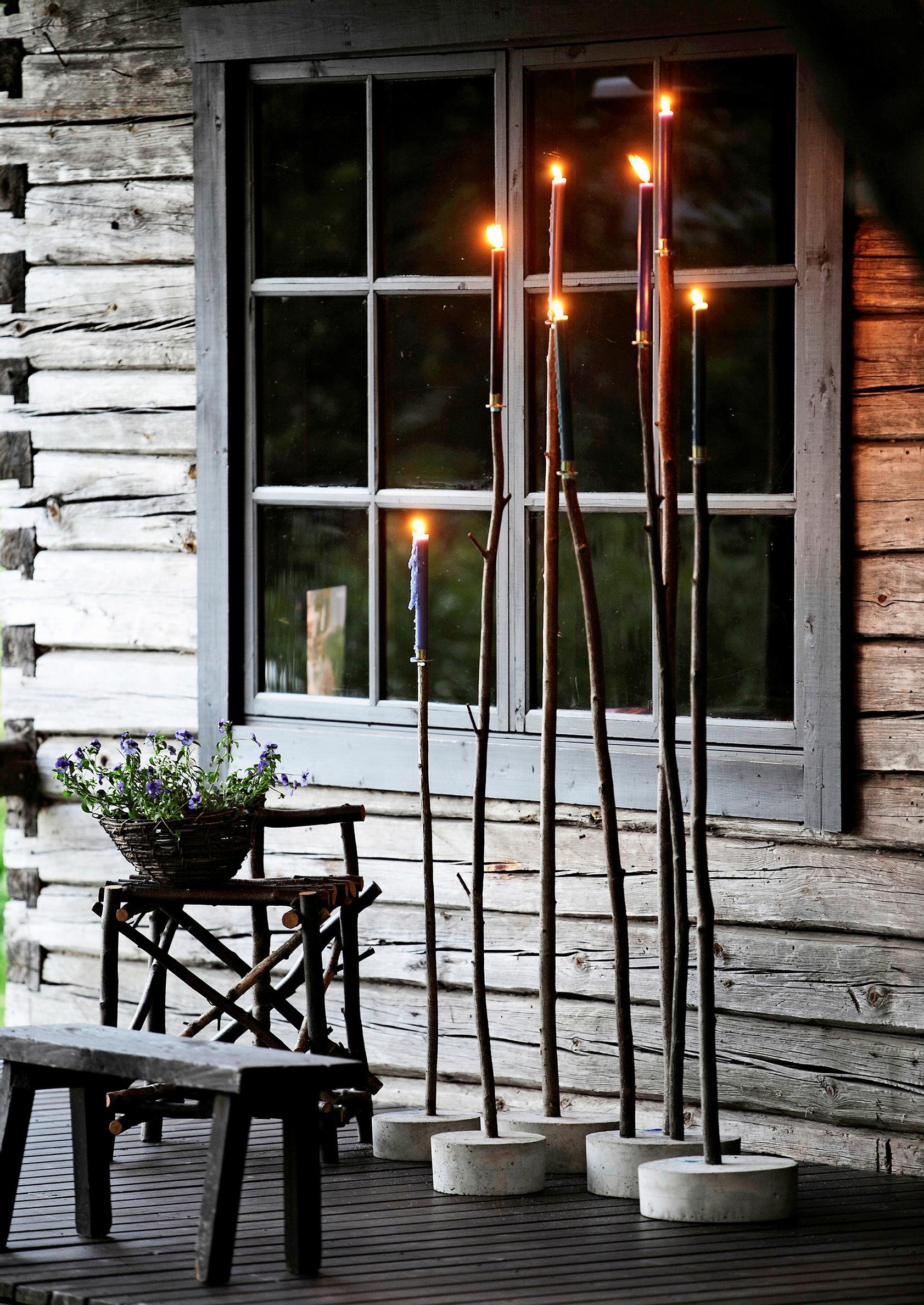
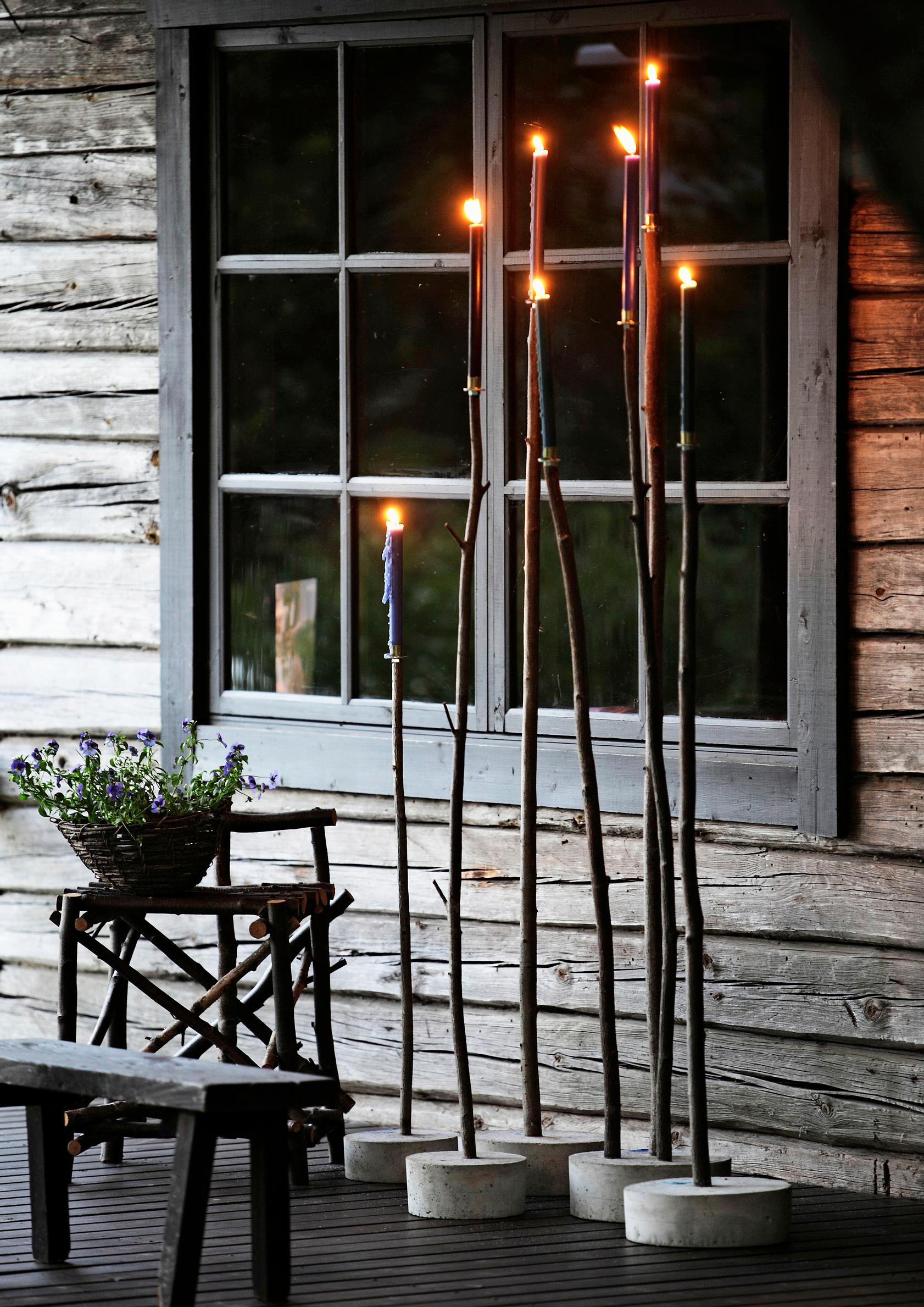
The concrete bases are cast from molds; the candelabra’s arms are made from young tree trunks.

December 1, 2025Lue suomeksi

Tall candle legs made from cement mortar and young tree trunks set the mood on darkening evenings. They’re perfect for spacious interiors and verandas with windows. Shorter ones work nicely on a table.

For the candelabra's arms, use young tree trunks—rowan (mountain ash), for example. Rowan works well thanks to its toughness and hardness, and it grows on sunny slopes just about everywhere. On a young trunk, the branches start fairly high, so the trunk is straight and branchless.

You can also use sufficiently thick willow or birch, though they tend to be more branchy. Conifers are too branchy. Candle sockets are available at craft stores, and you’ll find the other supplies at a hardware store.

Five candle legs—materials

  • young rowan trunks
  • nuts and large metal washers, 5 of each
  • screws, 15 long ones (for the thicker ends of the trunks) and 5 shorter ones (for attaching the candle sockets)
  • 5 candle sockets
  • two bags of cement mortar (40 MPa, 5800 PSI), totaling 50 kg (110 lb)
  • a saw, a drill, an electric screwdriver, a mixing tub, and a spade
  • buckets to use as molds, cooking oil, and sandpaper
  • rubber gloves, safety glasses, and a respirator

Candelabra from wood and concrete—instructions:

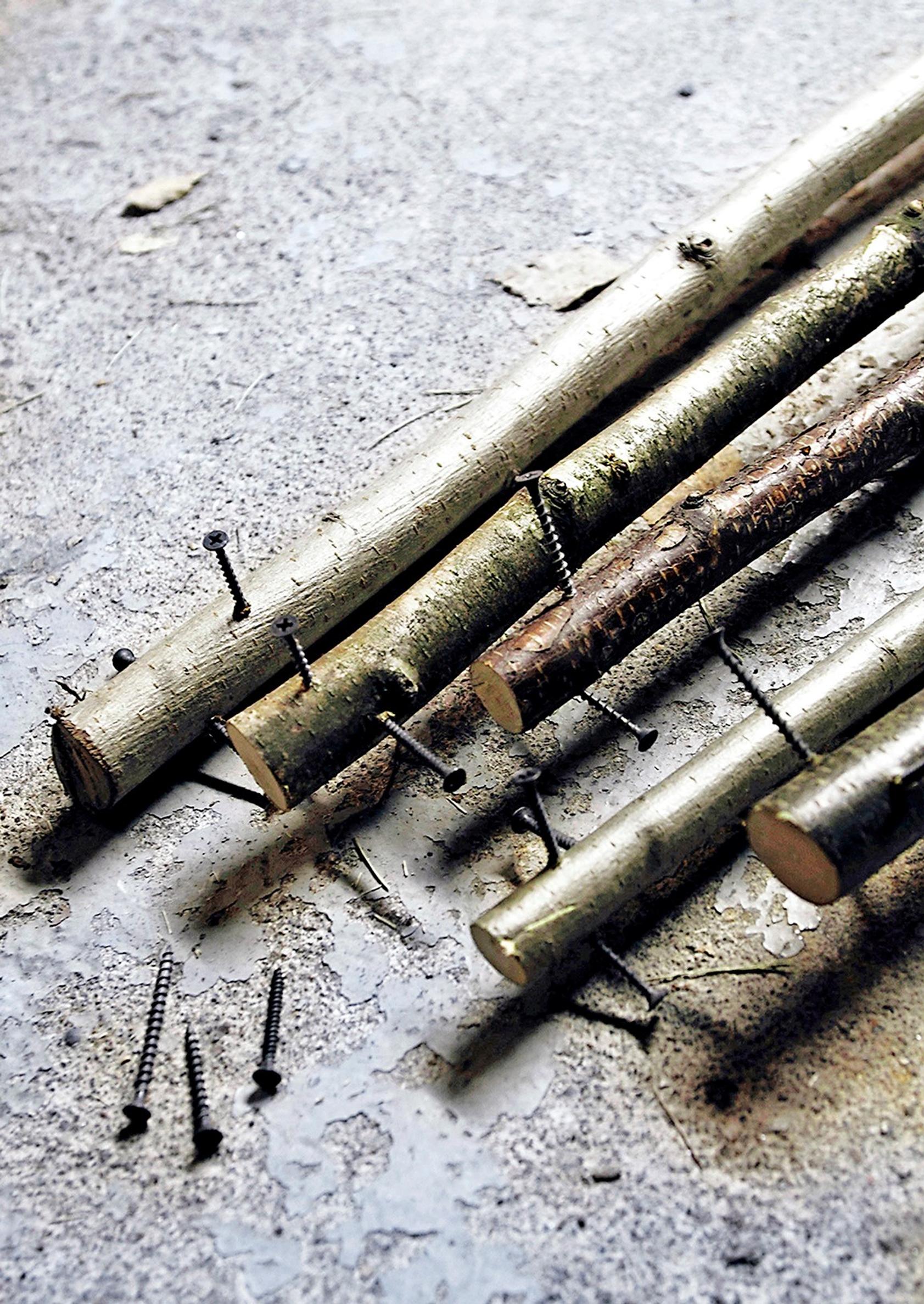
1. Saw young rowan trunks a few centimeters (about 1 inch) thick to make the candle legs. Smooth the cut ends with sandpaper. Drive two or three screws into the thicker ends of the trunks.
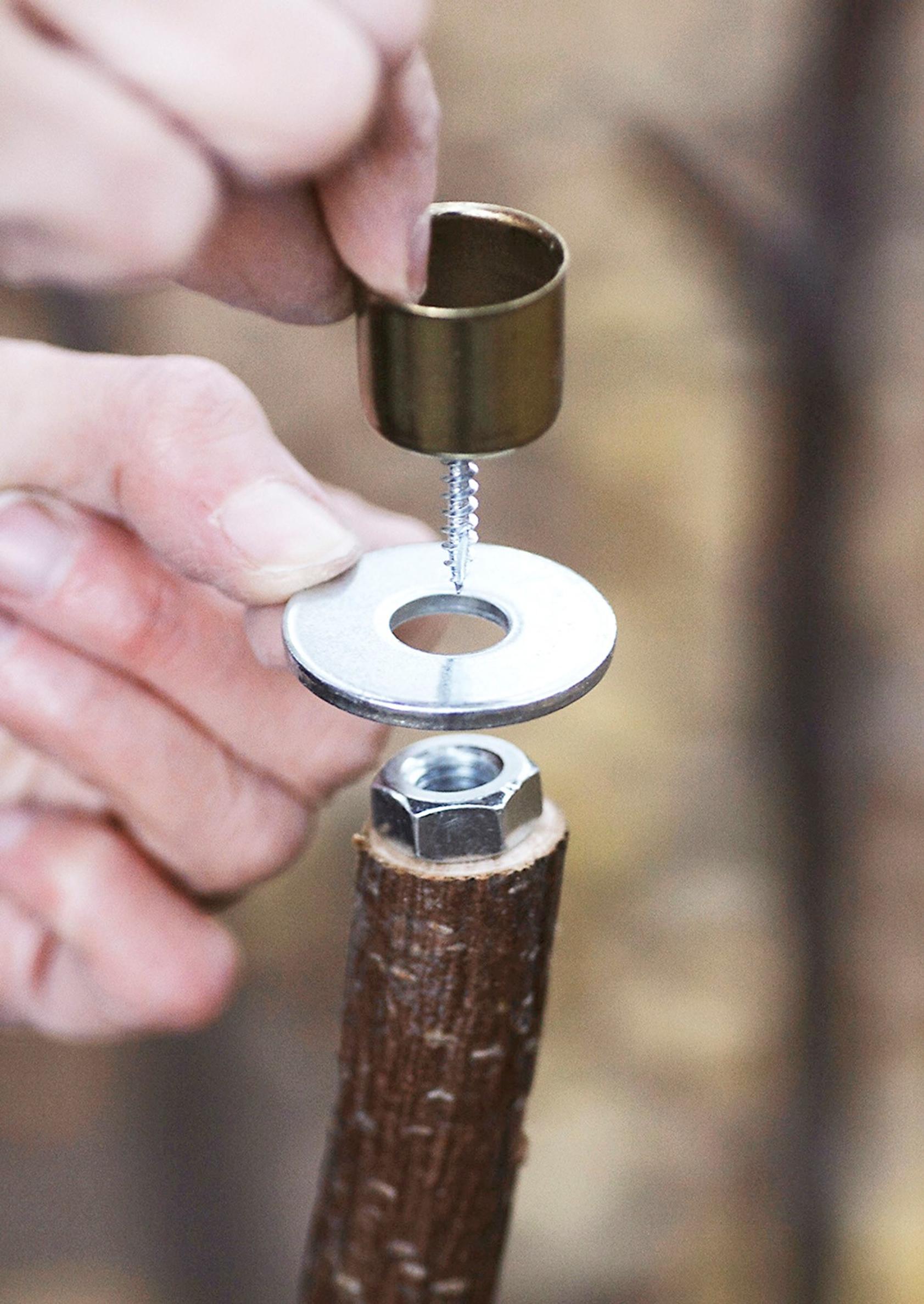
2. Drill a hole in the thinner end of each trunk and, with a screw, attach a wide metal washer, a nut, and a candle socket. The washer catches any dripping wax, the nut acts as a spacer and prevents heat from the candle from scorching the wood, and the candle stands securely in the candle socket.
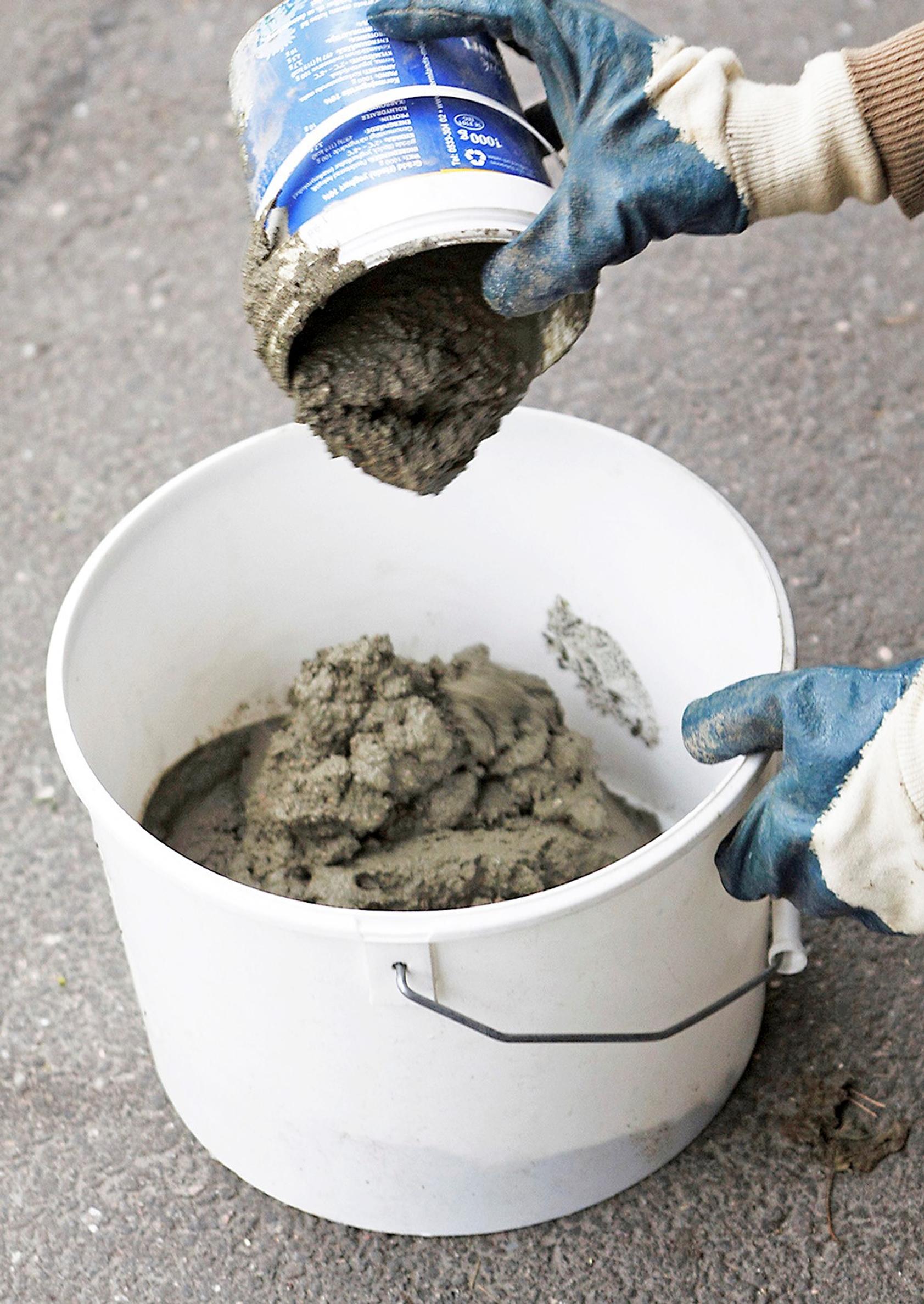
3. Protect your eyes, lungs, and hands. Pour the cement mortar mix into the mixing tub, add water, and mix well with a spade. When the mixture is the consistency of mashed potatoes, let it sit for half an hour. Wipe a little cooking oil on the inside of the mold buckets so the cured bases will release easily.
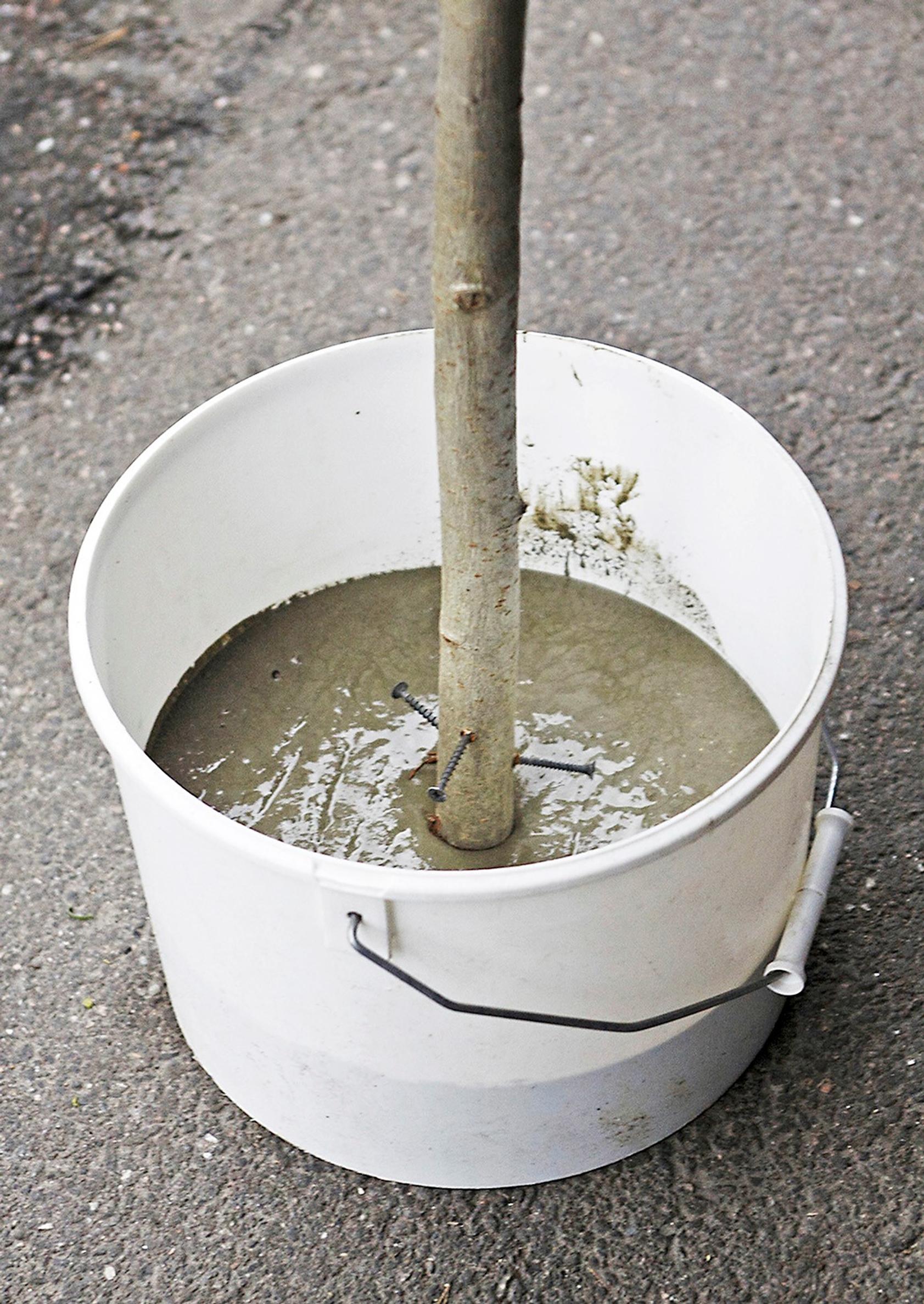
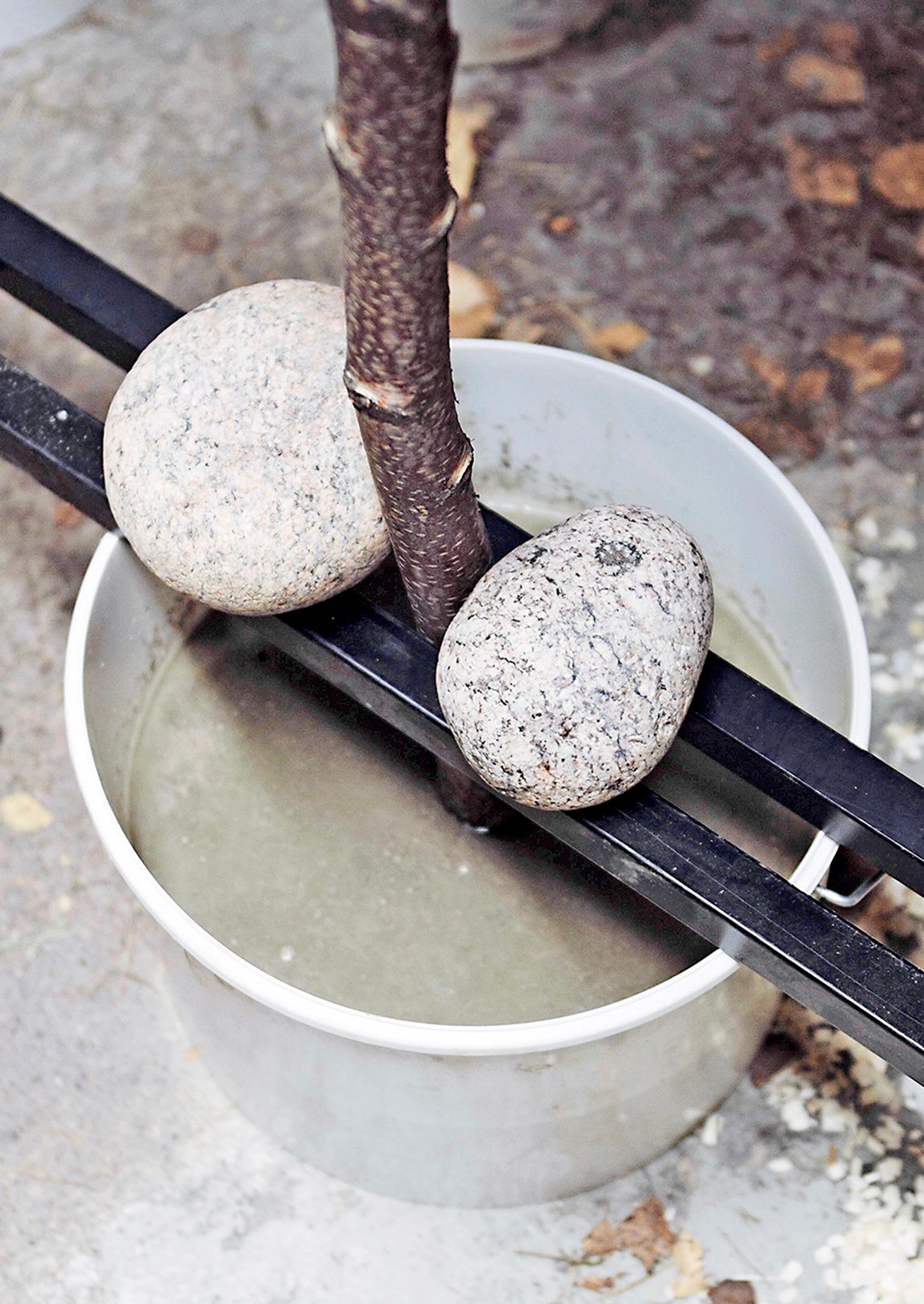
4. Fill the buckets with the prepared concrete. Tap the sides of the bucket so the concrete surface compacts and any air bubbles rise to the top.
5. Sink the trunks into the concrete with the screw ends first. As the concrete cures, the screws lock the wood firmly in place.
6. Support the trunks while they dry. Let the bases dry for a couple of days before removing them from the molds. For a rough, worn look, brush the surface with a wire brush so the fine cement powder comes off and the sand grains in the concrete show through.
Remember to never leave a burning candle unattended or place it near flammable materials.

Most recent
Latest
terve
Terms and conditionsPrivacy policyOur cookie policy